What Is a Roof Payment? Understanding Financing, Loans, and Cost Breakdowns
Roof Financing Cost Calculator
Loan Parameters
Based on Contractor Financing (20% APR)
| Financing Option | Est. APR | Monthly Payment | Total Interest | Total Cost | |
|---|---|---|---|---|---|
|
High Risk
Contractor Financing
Unsecured, easy approval |
20% | - | - | - | Most Expensive |
|
Medium
Personal Loan
Fixed rate, no collateral |
15% | - | - | - | Moderate |
|
Low Rate
Home Equity Loan
Secured by home |
10% | - | - | - | Best Value |
|
Flexible
HELOC
Variable rate potential |
8% | - | - | - | Lowest Cost |
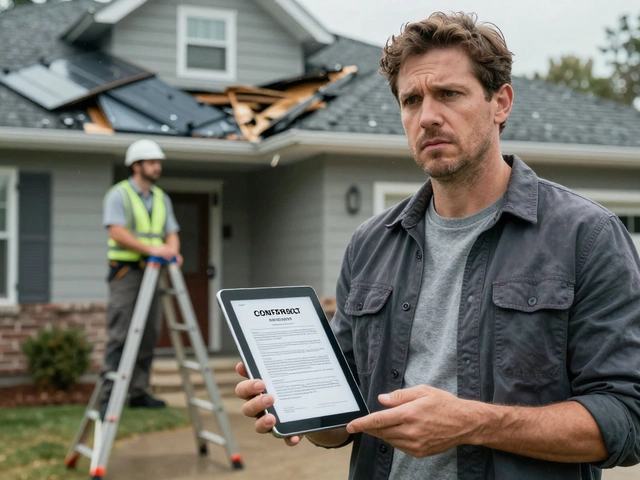
You just got the quote. The roofer says your shingles are failing, the flashing is corroded, and if you don’t act now, water damage will turn a simple repair into a structural nightmare. The price tag? $12,000. You don’t have that cash sitting in your savings account. That’s when the contractor mentions a "roof payment plan" or asks if you want to apply for financing. Suddenly, the conversation shifts from materials and labor to interest rates, credit scores, and monthly installments.
Understanding what a roof payment actually entails is critical before you sign anything. It isn’t just about splitting the bill; it’s about choosing between high-interest consumer debt, low-rate secured loans, or insurance payouts that might cover most of the cost. Getting this wrong can mean paying thousands more than necessary for a project that should last twenty years.
Defining the Roof Payment: More Than Just a Bill
When people ask, "what is a roof payment?" they are usually asking how they will pay for a roof replacement. However, the term covers three distinct financial mechanisms. First, there is the direct out-of-pocket expense. Second, there is third-party financing, where a lender pays the contractor, and you repay the lender. Third, there is insurance reimbursement, where your policy covers the damage, and you handle the deductible.
The structure of your payment depends entirely on why you are replacing the roof. If it’s an emergency storm repair, insurance often steps in. If it’s age-related wear and tear, you’re looking at personal funds or loans. Misidentifying the cause can lead to denied claims or unexpected debt.
Option 1: Contractor Financing (The Easy Yes)
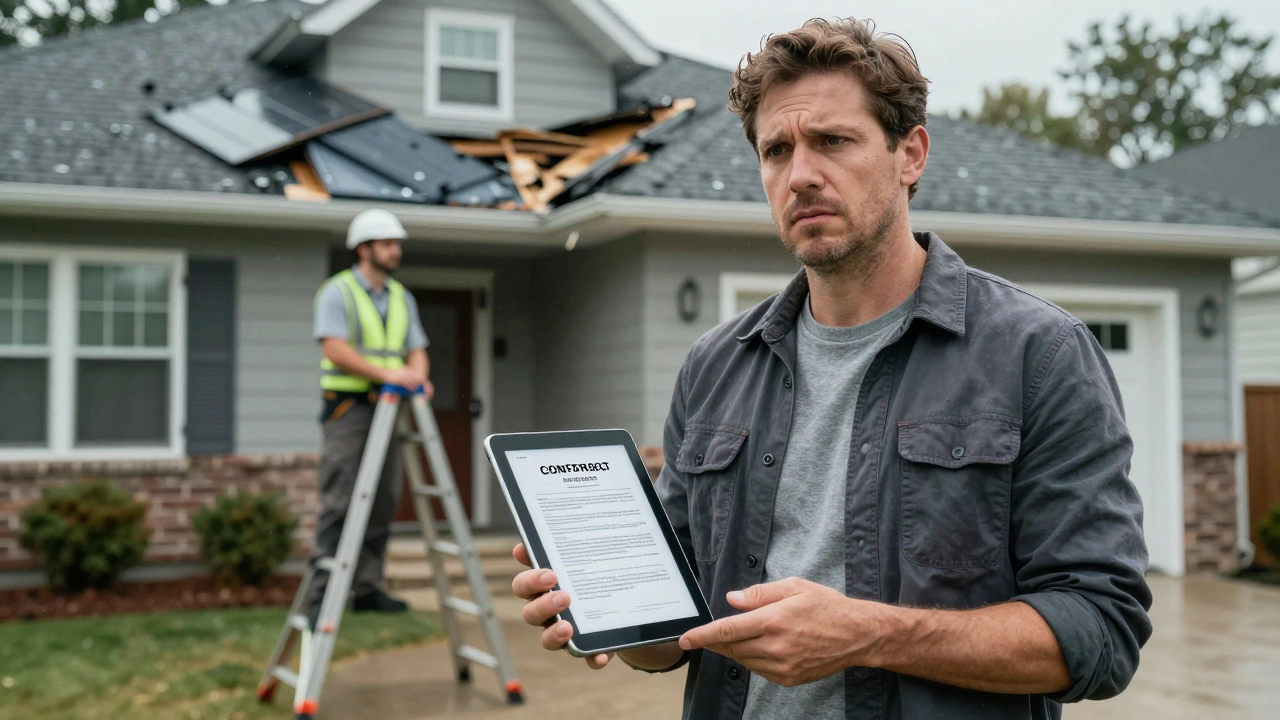
Most reputable roofing companies partner with third-party lenders like GreenSky, Service Finance Company (SFC), or Acima. These programs are designed to say "yes" quickly. You fill out an application on a tablet while standing in your driveway, get approved in minutes, and the contractor gets paid immediately.
This sounds convenient, but look closely at the terms. These are typically unsecured installment loans. Because the risk is higher for the lender (they have no collateral if you default), the interest rates reflect that.
- Promotional Periods: Many contractors offer "0% interest for 18 months." This is a trap if you don’t read the fine print. If you owe even $1 after the 18 months, the entire accrued interest from day one is added to your balance. This is called deferred interest.
- Standard Rates: For standard plans, Annual Percentage Rates (APR) often range from 15% to 36%. On a $15,000 loan over five years, a 20% APR means you’ll pay roughly $4,000 in interest alone.
- Credit Impact: These applications trigger a hard inquiry on your credit report. Multiple applications in a short window can lower your score.
Contractor financing is best for smaller repairs under $5,000 where you can pay off the balance within the promotional period. For full replacements, it is rarely the cheapest option unless you have excellent credit and qualify for the lowest tier rates.
Option 2: Home Equity Loans and HELOCs (The Smart Borrower’s Choice)
If you own your home outright or have significant equity, tapping into that value is often the most cost-effective way to handle a major roof payment. A Home Equity Line of Credit (HELOC) works like a credit card tied to your house’s value. You draw only what you need-say, $10,000-and pay interest only on that amount during the draw period.
A Home Equity Loan provides a lump sum with a fixed interest rate. In 2026, with mortgage rates stabilizing, these options are becoming attractive again for homeowners who previously avoided debt due to high borrowing costs.
| Financing Type | Typical APR Range | Approval Speed | Best For |
|---|---|---|---|
| Contractor Financing | 15% - 36% | Minutes | Small repairs, quick fixes |
| HELOC | 7% - 12% | 1-2 Weeks | Large projects, flexible spending |
| Home Equity Loan | 6% - 10% | 2-4 Weeks | Predictable payments, lump sums |
| Credit Card | 20% - 29% | Instant | Emergency patches, very small bills |
| Personal Loan | 8% - 25% | 1-3 Days | Good credit, no equity access |
The downside? Your house is collateral. If you fail to make payments, the bank can foreclose. Additionally, closing costs and appraisals can add hundreds of dollars to the process. However, for a $15,000 roof, saving 15 percentage points on interest saves you thousands over the life of the loan.
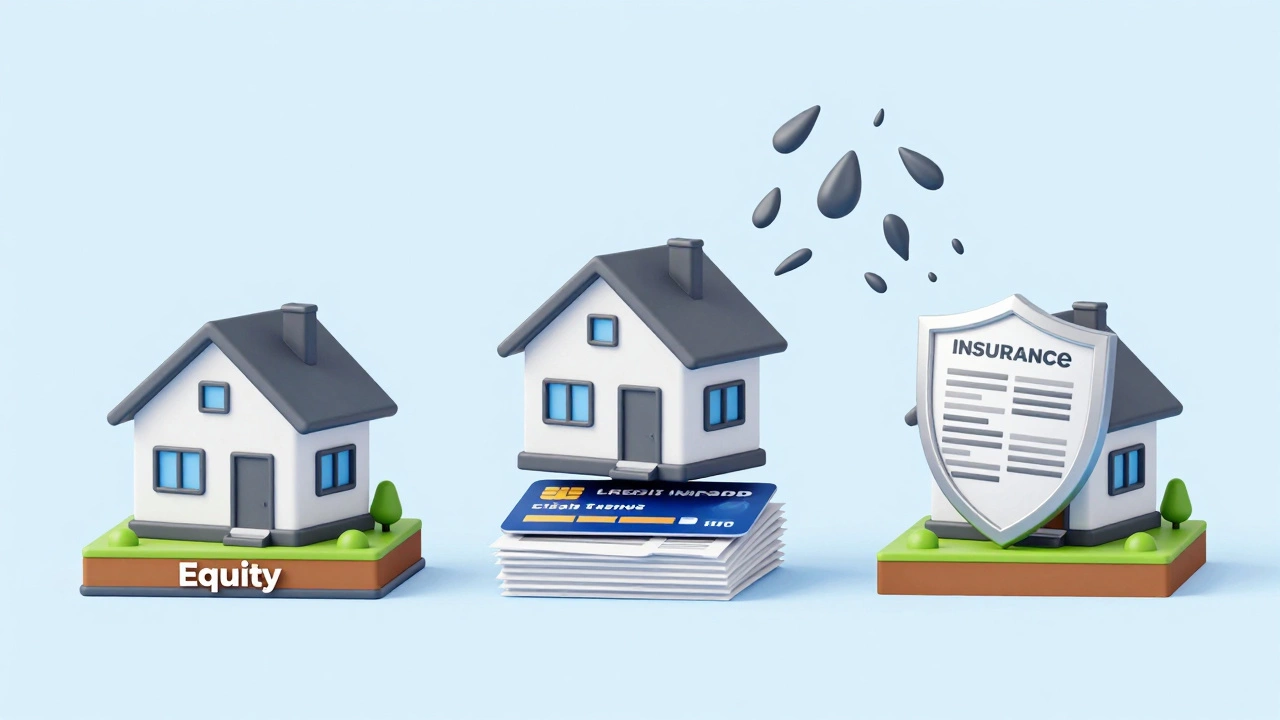
Option 3: Insurance Reimbursement (The Hidden Asset)
Many homeowners forget that their homeowners insurance might cover part or all of the roof payment. The key distinction is "peril" versus "wear and tear." Insurance covers sudden, accidental damage from covered perils like hail, wind, fire, or falling trees. It does not cover aging, granule loss, or general deterioration.
If a storm hits, document everything. Take photos of debris, interior water stains, and exterior damage. Call your insurer immediately. They will send an adjuster to inspect the roof. If the adjuster confirms covered damage, they will issue a claim check.
Be aware of two common pitfalls:
- Deductibles: Most policies require you to pay a deductible, often $1,000 to $2,500. Some insurers offer "waived deductibles" for specific disasters like hurricanes, but this varies by region and policy.
- Actual Cash Value vs. Replacement Cost: Older policies may pay based on depreciation (ACV), meaning you get less money because your old roof was already worn out. Newer policies often offer Replacement Cost Value (RCV), which reimburses the full cost of a new roof once you complete the work.
Never sign a contract that assigns your insurance benefits directly to the roofer unless you fully understand the implications. This can limit your control over the claim process and potential refunds if the job is done poorly.
Calculating the True Cost of Your Roof Payment
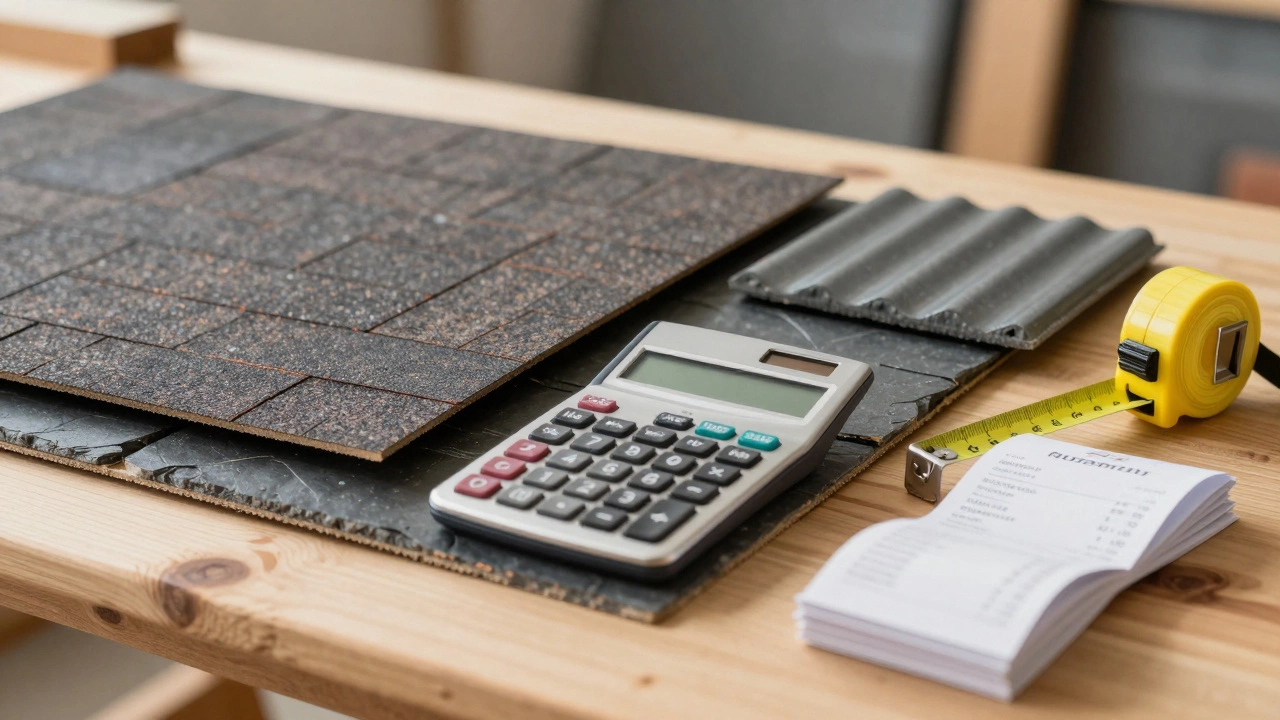
To decide which payment method makes sense, you need an accurate estimate. Roofing costs vary wildly based on material, pitch, and location. In Auckland, for example, weather-resistant materials like ColorSteel or concrete tiles are common, affecting both upfront cost and longevity.
Here is a rough breakdown of average costs for a 2,000-square-foot home in 2026:
- Asphalt Shingles: $8,000 - $14,000. Affordable, widely available, lasts 15-25 years.
- Metal Roofing: $12,000 - $20,000. Durable, energy-efficient, lasts 40+ years.
- Slate or Tile: $25,000+. Premium aesthetic, extremely long-lasting, requires reinforced framing.
Add these hidden costs to your budget:
- Decking Replacement: If the wood underneath the shingles is rotted, expect to pay $2-$4 per square foot extra.
- Permits: Most cities require building permits, costing $50-$500.
- Disposal Fees: Hauling away old roofing material can add $500-$1,000.
Always get three quotes. A single quote leaves you vulnerable to overcharging. Compare line items, not just the bottom line. One roofer might include flashing and ventilation upgrades, while another charges extra for them.
Navigating Payment Schedules with Contractors
Even if you aren’t using a loan, understanding the contractor’s payment schedule is vital. Ethical roofers do not demand 100% upfront. A standard, fair payment structure looks like this:
- Deposit: 10%-30% to secure the job and order materials. Never pay more than 30% upfront.
- Progress Payments: Some contracts allow payments upon completion of phases, like tear-off or decking installation.
- Final Payment: Paid only after the job is complete, inspected, and you’ve walked the site to ensure satisfaction.
If a roofer asks for full payment before starting, walk away. This is a major red flag for scams. Use a credit card for deposits if possible, as chargeback protections can help if the contractor disappears or fails to deliver.
Tax Implications and Rebates
While you generally cannot deduct the cost of a roof replacement from your federal taxes, there are exceptions. If the roof is part of a larger renovation that increases the home’s value, it adds to your cost basis, reducing capital gains tax when you sell. Keep all receipts and invoices.
In some regions, installing energy-efficient metal roofs or solar-integrated roofing systems may qualify for tax credits. Check local government websites for 2026 incentives. For instance, certain states offer rebates for cool roofs that reduce urban heat islands.
Common Mistakes to Avoid
Don’t let urgency drive bad financial decisions. Storm chasers often show up after severe weather, offering deals that seem too good to be true. They may use substandard materials or skip permits, leading to code violations later. Stick to licensed, insured, and locally established contractors.
Also, avoid mixing financing sources unnecessarily. Don’t take out a high-interest personal loan if you have a low-interest HELOC available. Calculate the total cost of ownership, including interest, before committing.
Can I negotiate the roof payment plan?
Yes. While the interest rate on third-party financing is set by the lender, you can often negotiate the down payment, the scope of work, or the timeline. Some contractors may waive administrative fees or offer discounts for cash payments. Always ask if there is flexibility in the payment structure.
Does applying for roof financing hurt my credit score?
Yes, temporarily. Each application triggers a hard inquiry, which can drop your score by 5-10 points. However, making consistent monthly payments on time will eventually boost your score by improving your payment history and credit mix.
How long does it take to get approved for roof financing?
Contractor financing through partners like GreenSky or SFC is often approved in minutes during the initial consultation. Traditional bank loans, such as HELOCs or personal loans, can take anywhere from a few days to several weeks depending on documentation and lender processing times.
Is it better to pay cash or finance a new roof?
Paying cash is always cheaper because you avoid interest. However, if paying cash depletes your emergency fund, financing with a low-interest loan (like a HELOC) is safer. Only use high-interest contractor financing if you can pay off the balance within any promotional period.
Will my insurance cover a roof replacement?
Only if the damage was caused by a covered peril like storm, hail, or fire. Insurance does not cover wear and tear or aging. You must file a claim, have an adjuster inspect the damage, and pay your deductible. Always verify your policy details before assuming coverage.