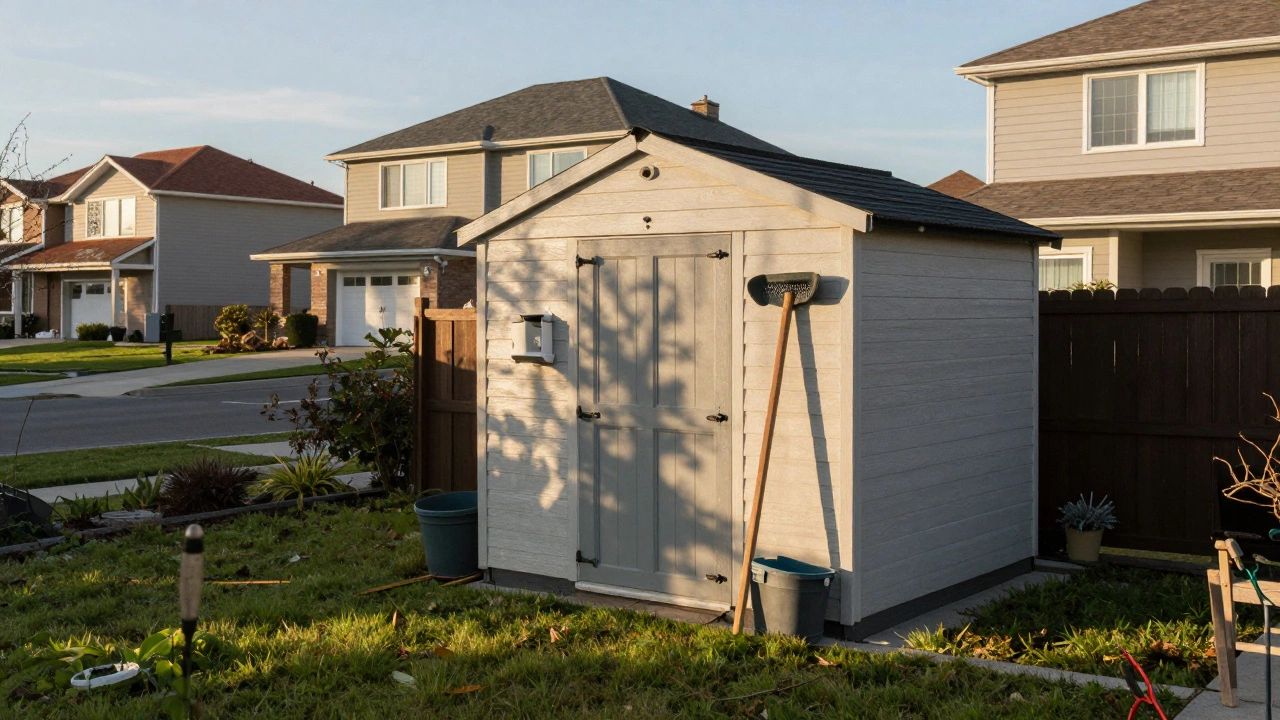
Commercial use in construction isn't about making money-it's about activity and impact. Learn what home projects cross the line into commercial use and how to stay legal under Auckland's zoning rules.
When you own a home, you think you can do whatever you want with it—paint the front door any color, build a shed in the backyard, or host loud parties late at night. But private property use, the legal and practical boundaries of how a homeowner can use their land and structures. Also known as land use rights, it isn’t just about ownership—it’s about rules, neighbors, and local laws that quietly shape what you can and can’t do. You own the land, but the city, county, or homeowners association might own the say-so on what happens on it.
Zoning laws, local regulations that divide areas into residential, commercial, or industrial zones with specific rules for each. Also known as land use zoning, it determines if you can turn your garage into a studio, run a bakery from your kitchen, or put up a fence taller than six feet. These aren’t suggestions—they’re enforceable codes. A neighbor can file a complaint if you install a hot tub where the zoning says only single-family dwellings are allowed. And property rights, the legal bundle of privileges that come with owning land, including the right to use, exclude others, and transfer ownership. Also known as landowner rights, it doesn’t mean total freedom—it means freedom within limits. You can’t build a 20-foot wall blocking sunlight to your neighbor’s garden, even if it’s on your side of the property line. Easements, covenants, and historic district rules can restrict everything from roofing materials to tree removal.
Homeowners often learn the hard way that homeowner responsibilities, the duties that come with owning property, including maintenance, compliance with codes, and respecting community standards. Also known as property maintenance obligations, it’s not just about fixing a leaky roof—it’s about keeping gutters clear, not letting weeds take over your yard, and not turning your driveway into a public parking lot. A messy yard might not break any law, but in many neighborhoods, it triggers a violation notice. And if you’re thinking about adding an extension, installing a fence, or putting up a sign, you’ll need permits. Skipping them can lead to fines, forced removal, or even trouble selling your house later.
Private property use isn’t about control—it’s about balance. It’s knowing when your right to enjoy your home ends and someone else’s right to peace, safety, or property value begins. The posts below dig into real situations homeowners face: when a renovation crosses a line, why you can’t build that pool where you want, how noise complaints turn into legal issues, and what happens when you ignore local rules. You’ll find answers about foundation repairs that affect neighbors, how dining room removals fit into modern layouts, and why even something as simple as a sofa color can matter in a shared space. These aren’t abstract rules—they’re the quiet forces shaping your daily life at home. What you’re allowed to do isn’t always obvious. But after reading these, you’ll know exactly where you stand.
Commercial use in construction isn't about making money-it's about activity and impact. Learn what home projects cross the line into commercial use and how to stay legal under Auckland's zoning rules.