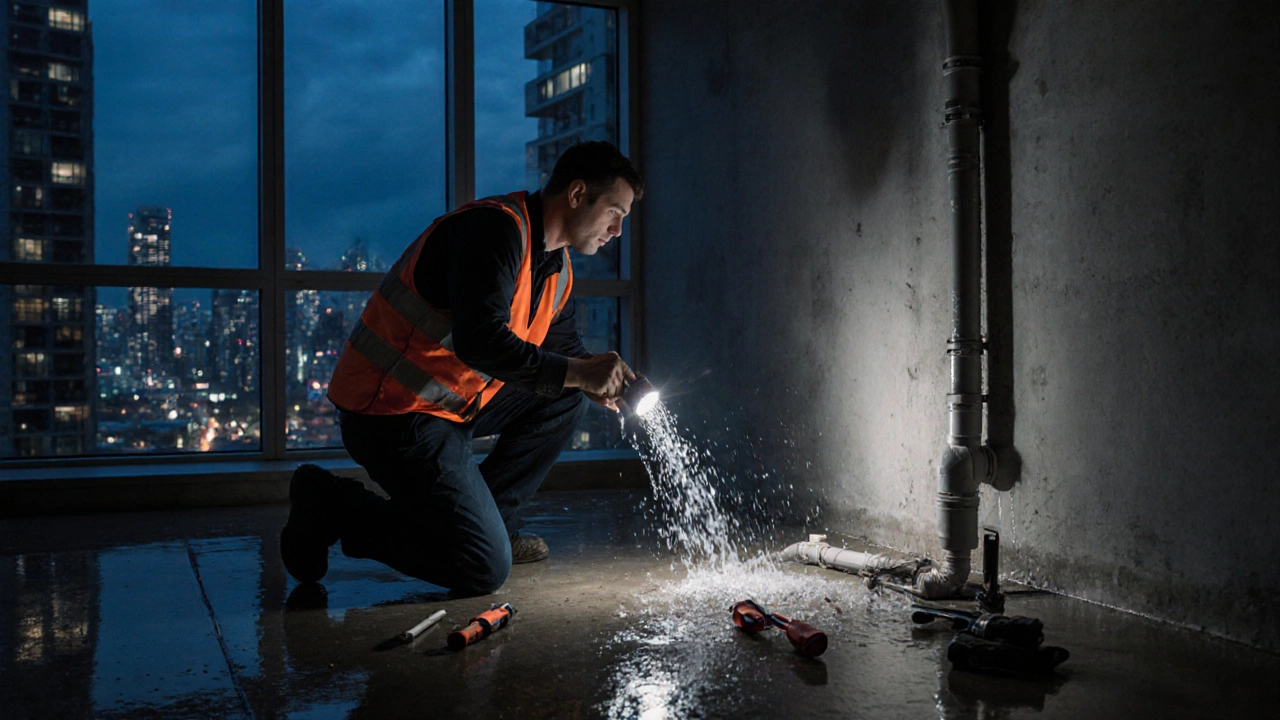
Plumbing and electrical trades offer the best pay, job security, and independence in construction. Learn why these skilled trades beat carpentry and laboring in long-term earnings and career growth.
When you turn on a faucet, flush a toilet, or take a shower, you’re relying on the plumbing trade, the skilled profession that installs, maintains, and repairs water supply, drainage, and gas systems in buildings. Also known as pipefitting, it’s not just about fixing leaks—it’s about ensuring your home’s entire water lifecycle works safely and efficiently. Without it, your kitchen sink backs up, your shower goes cold, and your water bill spikes for no reason. This isn’t guesswork. It’s precision engineering hidden behind walls and under floors.
The plumbing trade, the skilled profession that installs, maintains, and repairs water supply, drainage, and gas systems in buildings. Also known as pipefitting, it’s not just about fixing leaks—it’s about ensuring your home’s entire water lifecycle works safely and efficiently. involves more than just wrenches and pipe dope. Plumbers work with pipe systems, networks of copper, PEX, or PVC tubing that move water and waste through homes and buildings, following strict codes that vary by region. They connect to water supply, the pressurized system that delivers clean, potable water from municipal lines or wells to every fixture in a house, and manage the drain waste vent, the hidden system that removes wastewater and prevents sewer gases from backing up into your home. These systems don’t just connect—they interact. A clog in the drain can affect water pressure. A leak in the supply line can rot floor joists. One mistake can cost thousands.
Most homeowners think plumbing is only about emergencies—burst pipes, no hot water, or a toilet that won’t stop running. But the real value of the plumbing trade shows up in prevention. A well-installed system lasts decades. A poorly done job? It leaks, corrodes, or fails when you least expect it. That’s why pros don’t just replace parts—they assess flow, pressure, slope, and material compatibility. They know which pipe fits where, how deep to bury it, and when to use solder versus compression fittings. And in the UK, where older homes are common, understanding how original cast iron stacks interact with modern PEX is half the battle.
Whether you’re renovating a bathroom, adding an extension, or just trying to understand why your water heater keeps cycling, knowing what the plumbing trade actually does helps you ask better questions, spot red flags, and avoid being overcharged. Below, you’ll find real-world guides on common plumbing-related issues—from hidden leaks to system upgrades—that show you what’s possible, what’s necessary, and what’s just noise.
Plumbing and electrical trades offer the best pay, job security, and independence in construction. Learn why these skilled trades beat carpentry and laboring in long-term earnings and career growth.