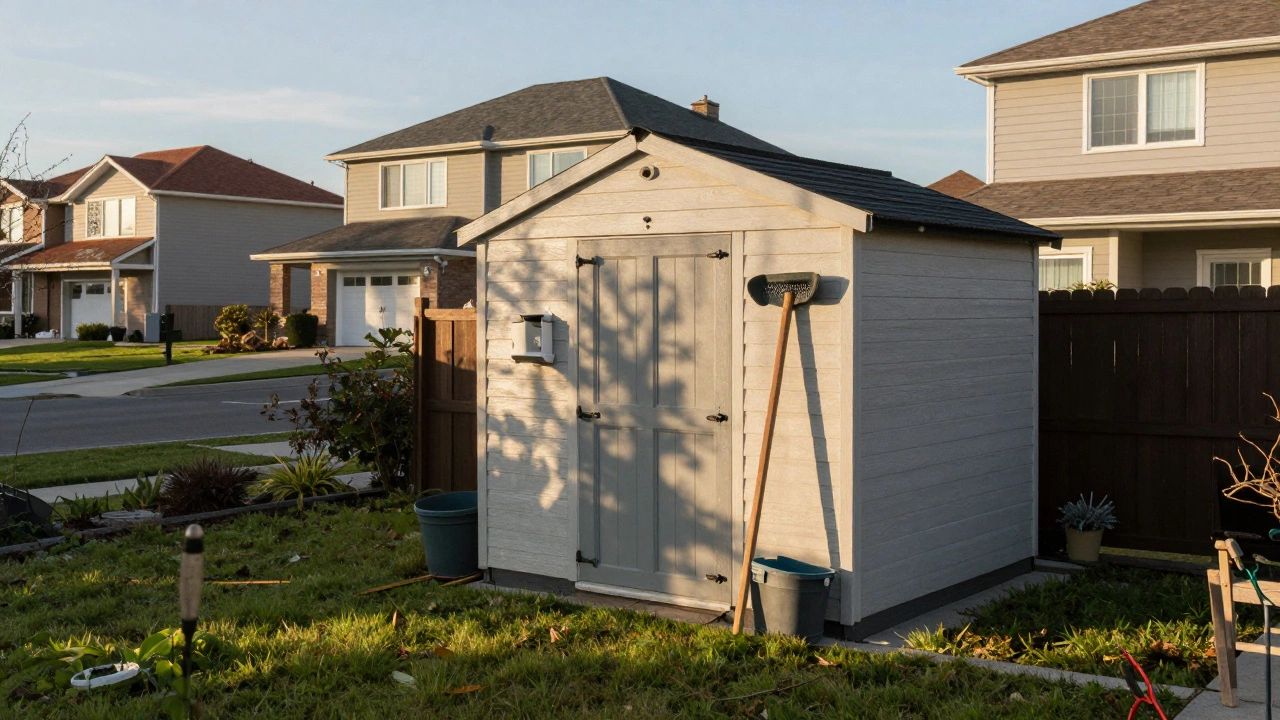
Commercial use in construction isn't about making money-it's about activity and impact. Learn what home projects cross the line into commercial use and how to stay legal under Auckland's zoning rules.
When we talk about non-commercial building, a structure designed to serve the public or an organization without generating direct profit. Also known as public building, it includes schools, hospitals, libraries, community centers, and government offices—places built for people, not profit. These aren’t just buildings with walls and roofs. They’re the quiet backbone of everyday life. While a coffee shop or retail store tries to sell you something, a non-commercial building exists to support, educate, heal, or bring people together.
Think about the difference between a commercial building, a structure built to generate income through retail, office space, or hospitality and a public building, a type of non-commercial building owned and operated by government or nonprofit entities for community use. A mall’s design pushes you to spend more time and money. A library’s design invites you to sit, read, and stay awhile. The materials, lighting, acoustics, and layout all serve a different goal. That’s why you’ll see more durable tiles in a school hallway than in a boutique hotel. Why public restrooms use easy-to-clean surfaces. Why natural light matters more in a classroom than in a corporate lobby.
Non-commercial buildings often face tighter budgets, but higher expectations. You can’t cut corners when kids are learning or patients are healing. That’s why the same people who choose tiles for a kitchen renovation might also care about the slip-resistant flooring in a hospital. The same folks planning a bathroom remodel for their home are often the ones advocating for accessible showers in a community center. These spaces don’t get Instagram posts—but they shape how real life feels.
You’ll find that many of the posts here touch on non-commercial building indirectly. Whether it’s the cost of plumbing in a school renovation, why dining rooms are vanishing from homes (which mirrors how public spaces are changing), or how to pick long-lasting materials for high-traffic areas—these aren’t just home tips. They’re lessons in how design affects people. The same principles that make a bathroom last 20 years in your house apply to a public restroom in a library. The same color choices that make a small room feel bigger work in a waiting room with limited square footage.
What you’ll find below isn’t a list of generic articles. It’s a collection of real-world insights from people who’ve dealt with the messy, expensive, and sometimes surprising side of building for people—not profit. From foundation repairs in old civic buildings to the hidden costs of upgrading electrical systems in a community center, these posts cut through the noise. They don’t talk about trends. They talk about what actually holds up—over time, under pressure, and for everyone who walks through the door.
Commercial use in construction isn't about making money-it's about activity and impact. Learn what home projects cross the line into commercial use and how to stay legal under Auckland's zoning rules.