Is Wallpaper Trending Again in 2026? The Definitive Guide to Modern Wall Coverings
2026 Wallpaper Selector Tool
Answer these questions to find your perfect wall covering match.
Result Title
Subtitle description
Why it works:
Explanation text goes here.
Installation Tip:
Tip text goes here.
Select your preferences to generate a personalized recommendation.
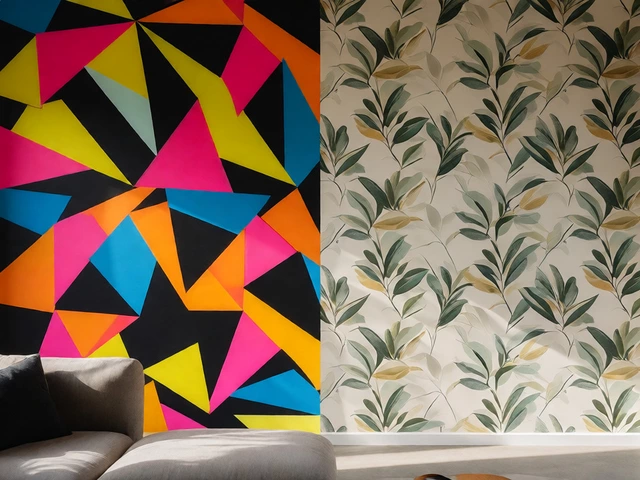
Remember the last time you saw wallpaper in a home that wasn’t a rental property from the early 2000s? It probably felt like stepping into a museum exhibit on bad taste. But walk into any high-end design studio or scroll through your social media feed today, and you’ll see a different story. Wallpaper is a decorative wall covering made of paper, fabric, or vinyl, used to add texture, pattern, and color to interior spaces. In 2026, it has shed its dated reputation to become one of the most powerful tools in interior design. The question isn’t just whether it’s trending-it’s why it has taken over.
The resurgence isn’t accidental. It’s driven by a shift in how we view our homes. We no longer want sterile, cookie-cutter spaces. We crave personality, warmth, and visual interest. Wallpaper delivers exactly that. From bold botanical prints to subtle textured grasscloths, modern wall coverings offer a level of customization that paint simply cannot match. Let’s break down why this trend is here to stay and how you can use it effectively.
The Shift from Paint to Pattern
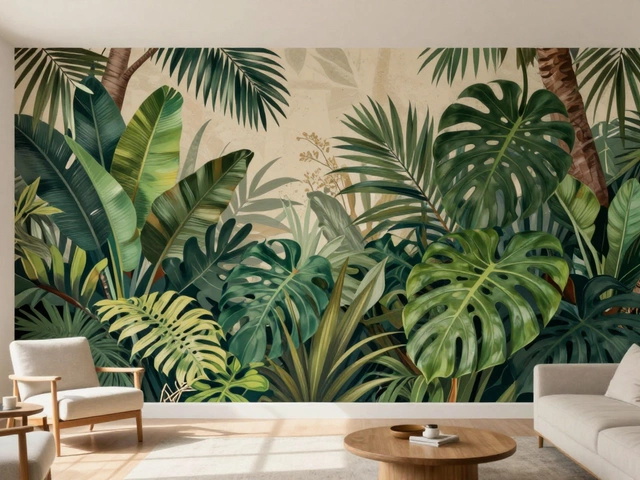
For decades, white walls were the gold standard. They were safe, neutral, and easy to sell. But safety has lost its appeal. Homeowners are tired of looking at blank canvases. The rise of biophilic design, which incorporates natural elements into built environments to improve well-being, has played a huge role in this shift. People want nature indoors. Large-scale leaf patterns, floral motifs, and organic textures bring the outside in without requiring a garden.
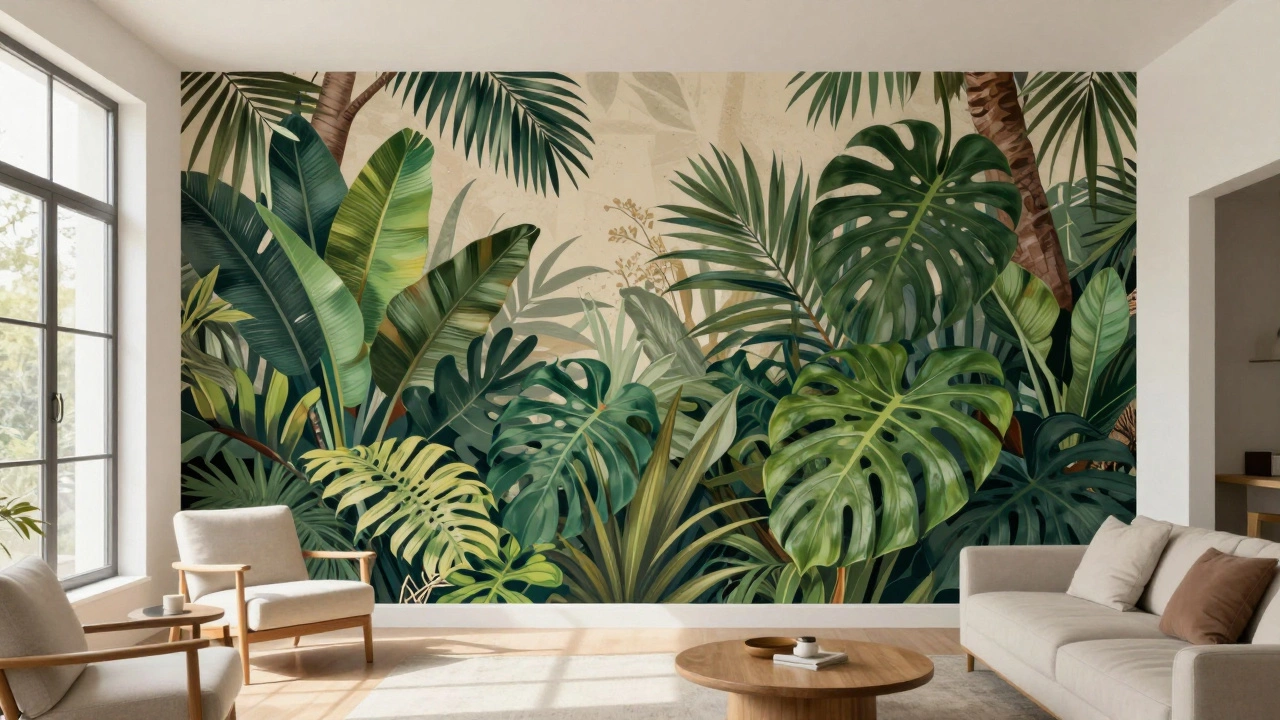
Consider the difference between painting a wall green and hanging a mural of a dense forest. The paint gives you color; the wallpaper gives you depth, shadow, and narrative. This emotional connection is what drives the trend. It’s not just about decoration; it’s about creating an atmosphere. In Auckland, where the weather can be unpredictable, bringing lush, tropical vibes inside feels particularly relevant. You’re not just covering a wall; you’re setting a mood.
Why Now? The Drivers Behind the Revival
Several factors have converged to make 2026 the peak year for wallpaper adoption. First, technology has improved manufacturing. Digital printing allows for hyper-realistic images and custom designs that were previously too expensive or technically impossible. You can now print a photo of your own backyard onto a seamless roll of wallpaper. This democratization of design means you don’t need a budget of millions to get a unique look.
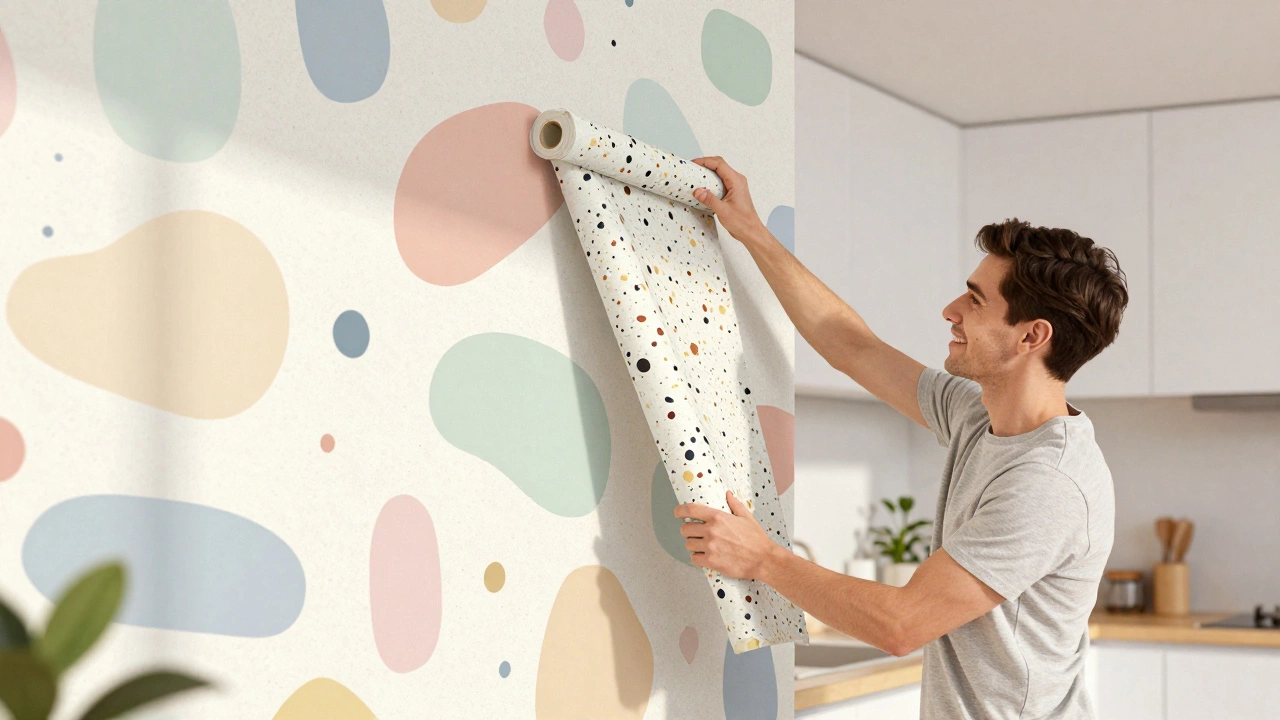
Second, installation methods have evolved. The days of mixing paste and wrestling with heavy rolls are largely gone for residential users. Peel-and-stick wallpaper is a self-adhesive wall covering that requires no glue, making it ideal for renters and DIY enthusiasts. This innovation has opened the market to renters who want to personalize their space without losing their deposit. It’s removable, repositionable, and surprisingly durable. For homeowners, it’s a low-commitment way to test bold ideas.
Third, sustainability concerns have pushed manufacturers to innovate. Traditional wallpapers often contained PVC and harmful chemicals. Newer options use natural materials like grasscloth, hemp, and recycled paper. These materials are breathable, reducing the risk of mold-a critical factor in humid climates like New Zealand’s. When you choose eco-friendly wallpaper, you’re not just decorating; you’re making a statement about environmental responsibility.
Top Wallpaper Trends for 2026
If you’re ready to jump on the bandwagon, knowing which styles are hot will help you make informed choices. Here are the dominant trends shaping interiors this year:
- Maximalist Murals: Think large-scale, immersive scenes. A living room might feature a floor-to-ceiling landscape or an abstract art piece that covers an entire wall. This turns a room into a gallery space.
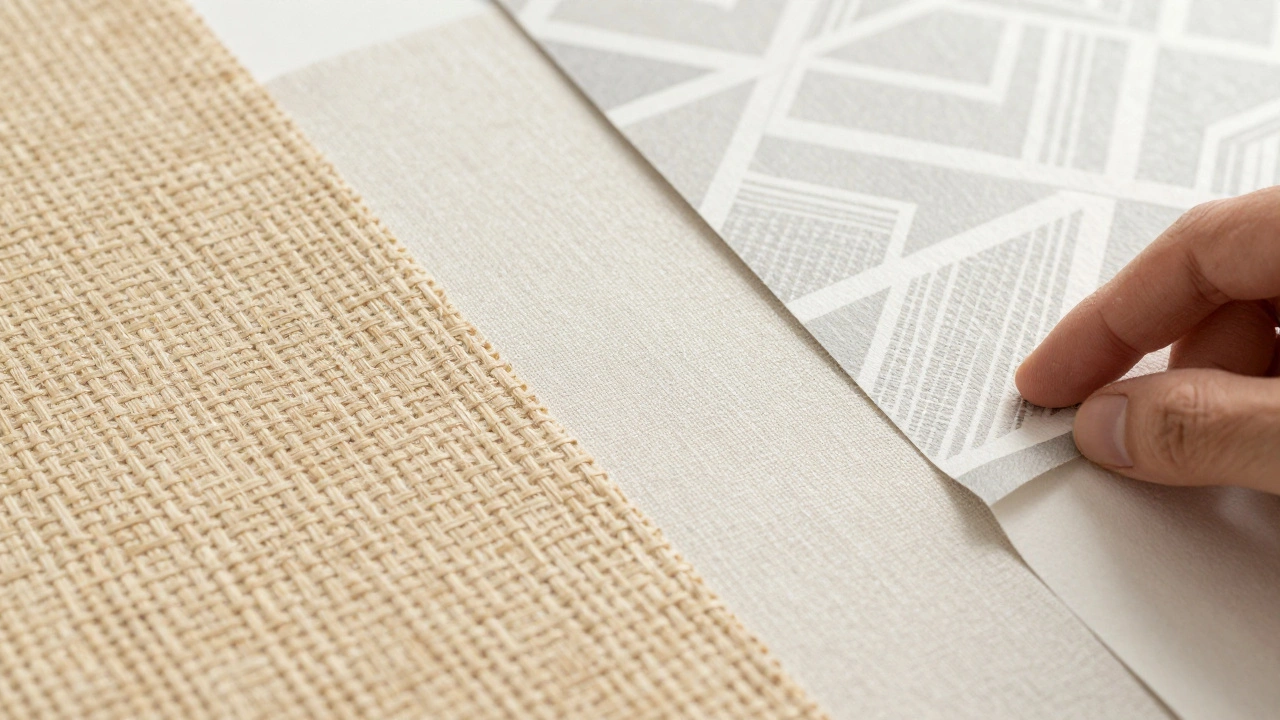
- Textured Neutrals: Not everyone wants loud patterns. Grasscloth, linen, and silk-look wallpapers add tactile interest without overwhelming the senses. They pair beautifully with minimalist furniture.
- Retro Revivals: Patterns from the 1970s and 1980s are back, but with a modern twist. Geometric shapes, terrazzo prints, and bold stripes are being reinterpreted in contemporary color palettes.
- Natural Botanicals: Ferns, monstera leaves, and wildflowers remain popular. The key is scale-large leaves feel more dramatic and modern than tiny, repetitive florals.
- Metallic Accents: Subtle metallic threads woven into the paper catch the light, adding glamour without feeling cheap. Gold, copper, and brass tones work well in evening-lit rooms.
| Type | Best For | Durability | Removability | Cost Range |
|---|---|---|---|---|
| Peel-and-Stick | Renters, Accent Walls | Medium | High | $ - $$ |
| Vinyl | Kitchens, Bathrooms | High | Low | $$ |
| Grasscloth | Living Rooms, Bedrooms | Medium | Low | $$$ |
| Digital Print | Custom Designs, Murals | Variable | Variable | $$ - $$$ |
How to Choose the Right Wallpaper
Selecting wallpaper can feel overwhelming given the sheer variety available. Start by defining the purpose of the room. Is it a high-traffic area like a hallway, or a serene retreat like a bedroom? High-traffic areas need durable materials like vinyl or non-woven blends that can withstand bumps and cleaning. Bedrooms can afford softer, more delicate textures like silk or cotton blends.
Next, consider the lighting. Natural light reveals true colors, while artificial light can alter them significantly. Always buy a sample first. Hang it on the wall and observe it at different times of day. A blue that looks calming in daylight might appear cold under yellow evening bulbs. This step alone prevents costly mistakes.
Scale matters too. Small rooms benefit from smaller, subtler patterns that don’t overwhelm the space. Large rooms can handle bold, oversized motifs. If you’re unsure, an accent wall is a safe starting point. It adds impact without committing the entire room to a single pattern. In open-plan living spaces common in modern Auckland homes, an accent wall behind a sofa or headboard creates a focal point that anchors the room.
Installation: DIY vs. Professional Help
The ease of installation depends heavily on the type of wallpaper you choose. Peel-and-stick options are designed for DIYers. They require minimal tools-just a smoothing tool and a sharp blade for trimming edges. However, precision is key. Misaligned seams can ruin the effect. Take your time, measure twice, and cut once.
Traditional pasted wallpapers, especially heavy ones like grasscloth or lined papers, often require professional installation. Professionals have the experience to handle tricky corners, windows, and outlets. They also ensure proper adhesion, which prevents peeling over time. If you’re renting or on a tight budget, DIY is feasible. If you’re investing in a permanent home upgrade, hiring a pro saves stress and ensures longevity.
In New Zealand, labor costs can vary. Get multiple quotes if you’re going the professional route. Ask for references and examples of previous work. A good installer will consult with you on pattern matching and seam placement before starting.
Sustainability and Health Considerations
As mentioned earlier, modern wallpaper is much healthier than its predecessors. Look for certifications like GREENGUARD or OEKO-TEX, which indicate low volatile organic compound (VOC) emissions. VOCs contribute to indoor air pollution and can cause headaches or respiratory issues. Choosing certified products ensures a safer environment for your family.
Natural fiber wallpapers like jute, sisal, and bamboo are biodegradable and renewable. They add texture and warmth while supporting sustainable forestry practices. While they may require more care during cleaning, their environmental footprint is significantly lower than synthetic alternatives. In a world increasingly focused on climate action, these small choices add up.
Future-Proofing Your Design
Trends come and go, but good design endures. To future-proof your wallpaper choice, avoid overly specific themes that might date quickly. Instead, opt for timeless patterns or versatile neutrals. If you love a bold print, consider using it in a smaller, changeable space like a powder room or home office. These areas are easier to update later if your tastes evolve.
Also, think about resale value. While personal style is important, potential buyers should be able to envision themselves in the space. Neutral backgrounds with interesting textures tend to appeal to a broader audience. Bold murals can be polarizing. If you install something dramatic, be prepared to remove it when selling-or embrace it as a unique selling point.
Is wallpaper hard to remove?
It depends on the type. Peel-and-stick wallpaper is designed to be removed easily, usually by pulling gently from a corner. Traditional pasted wallpaper may require steaming or scraping, which can damage drywall if not done carefully. Always check the manufacturer’s instructions before attempting removal.
Can I put wallpaper over painted walls?
Yes, most wallpapers can be applied directly to clean, smooth, and sealed painted walls. Ensure the paint is fully cured and free of gloss. Glossy surfaces may require sanding or a primer to ensure proper adhesion. Textured paints can show through thin wallpapers, so consider filling or sanding rough spots first.
How long does wallpaper last?
With proper installation and care, high-quality wallpaper can last 10 to 15 years or more. Vinyl and non-woven types are particularly durable and resistant to moisture and wear. Natural fibers may degrade faster in high-humidity areas but offer a distinct aesthetic that many find worth the trade-off.
Is wallpaper suitable for bathrooms?
Only if you choose moisture-resistant varieties like vinyl or specially treated non-woven papers. Standard paper wallpapers will warp and mold in humid environments. Look for labels indicating “washable” or “moisture-resistant.” Avoid placing wallpaper directly behind showers or sinks unless it’s specifically rated for wet areas.
What is the best way to clean wallpaper?
Cleaning methods vary by material. Vinyl and washable wallpapers can be wiped with a damp cloth and mild detergent. Delicate fabrics like silk or grasscloth should only be dusted with a soft brush or vacuumed with a low-suction setting. Always test any cleaning solution on a small, inconspicuous area first.