What Flooring Is Outdated in 2026: Styles to Avoid and Modern Alternatives
Flooring Trend Checker 2026
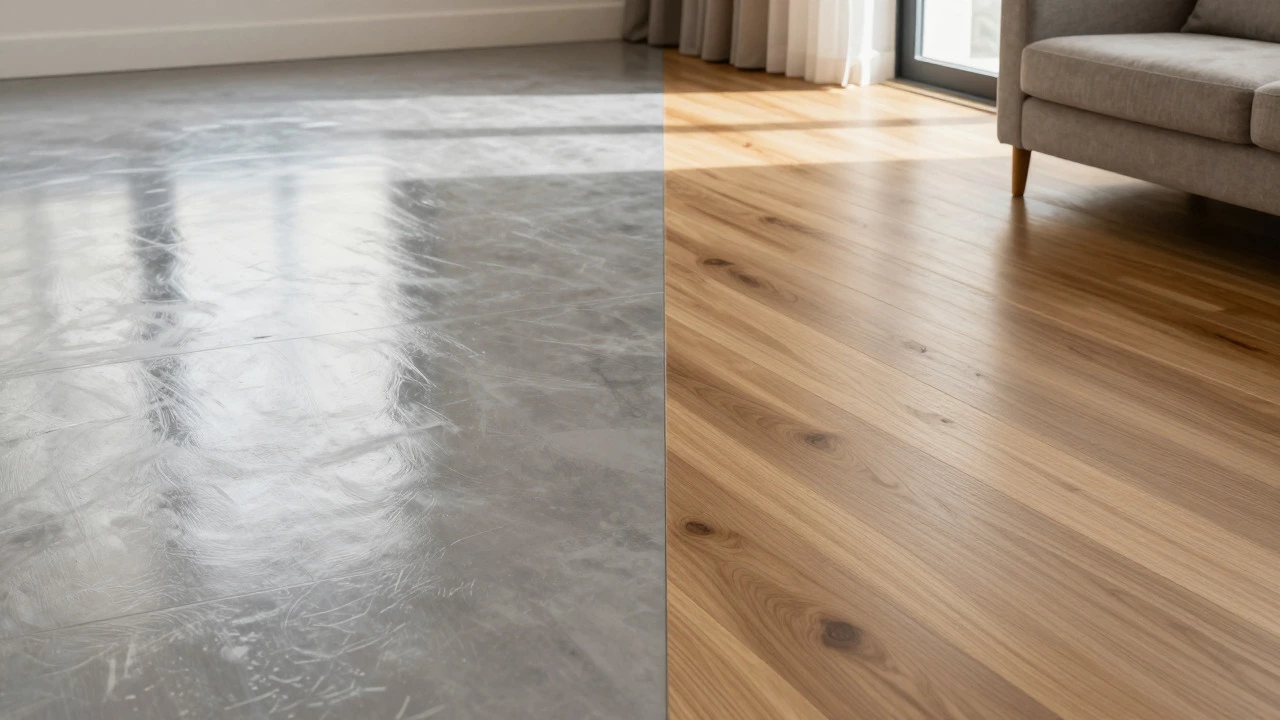
High-Gloss Finish
OutdatedMirror-like shine that shows every imperfection
Matte/Satin Finish
TrendingSoft, natural look that hides imperfections
Busy Patterns
OutdatedIntricate geometric prints or dramatic grain variations
Subtle Textures
TrendingConsistent grain patterns with natural variation
Pure Beige Monotony
OutdatedFlat, uniform beige without depth or character
Warm Neutrals
TrendingGreiges, soft taupes, warm whites with undertones
Old-Style Laminate
OutdatedThin, shiny laminate prone to swelling and chipping
LVP/Modern Materials
TrendingLuxury vinyl plank with realistic textures
Small Mosaic Tiles
OutdatedPenny-round or subway tiles covering large areas
Large Format Tiles
Trending24x48 inch+ tiles for seamless appearance
Wall-to-Wall Synthetic Carpet
OutdatedPlush nylon/polyester carpet in living areas
Hard Surface + Area Rugs
TrendingDurable hard floors with interchangeable rugs
Walk into a home built or renovated around 2015, and you might spot it immediately. That distinct, high-gloss sheen on the floorboards? The busy, chaotic pattern of the carpet? Or perhaps that beige-on-beige monotony that makes the room feel like a waiting area? We’ve all been there. Interior design moves fast, and what felt luxurious five years ago can look tired today.
If you are planning a renovation or just trying to refresh your space without spending a fortune, knowing what is "out" is just as important as knowing what is "in." You don’t want to invest in materials that will date your home within three years. In this guide, we’ll break down the specific flooring styles that designers are currently advising against, why they fell out of favor, and-most importantly-the smart, timeless alternatives you should choose instead.
The High-Gloss Trap: Why Shiny Floors Are Fading
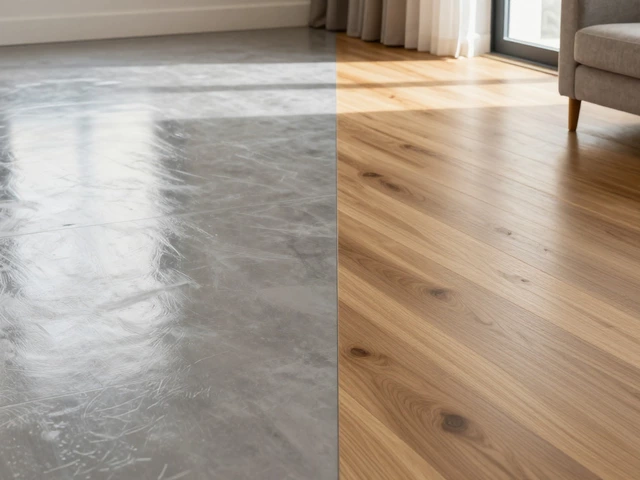
A decade ago, high-gloss finishes were the gold standard for luxury. Whether it was polished concrete, glossy ceramic tiles, or lacquered hardwood, the idea was that if it didn’t reflect your face, it wasn’t premium enough. But here is the problem: high-gloss surfaces are unforgiving. They show every scuff mark, dust bunny, and scratch. In a real home with kids, pets, or even just regular foot traffic, maintaining that mirror-like finish is a full-time job.
Beyond maintenance, the aesthetic has shifted. The current trend favors warmth and texture over cold perfection. A satin or matte finish is a surface treatment that reduces light reflection, creating a softer, more natural look while hiding imperfections better than high-gloss options. This shift isn’t just about looks; it’s about livability. Matte floors hide scratches and dirt much better, meaning you spend less time buffing and more time living. If you have existing high-gloss floors, consider a screen-and-recoat service to dull the shine rather than ripping them up entirely.
Busy Patterns and Transitional Chaos
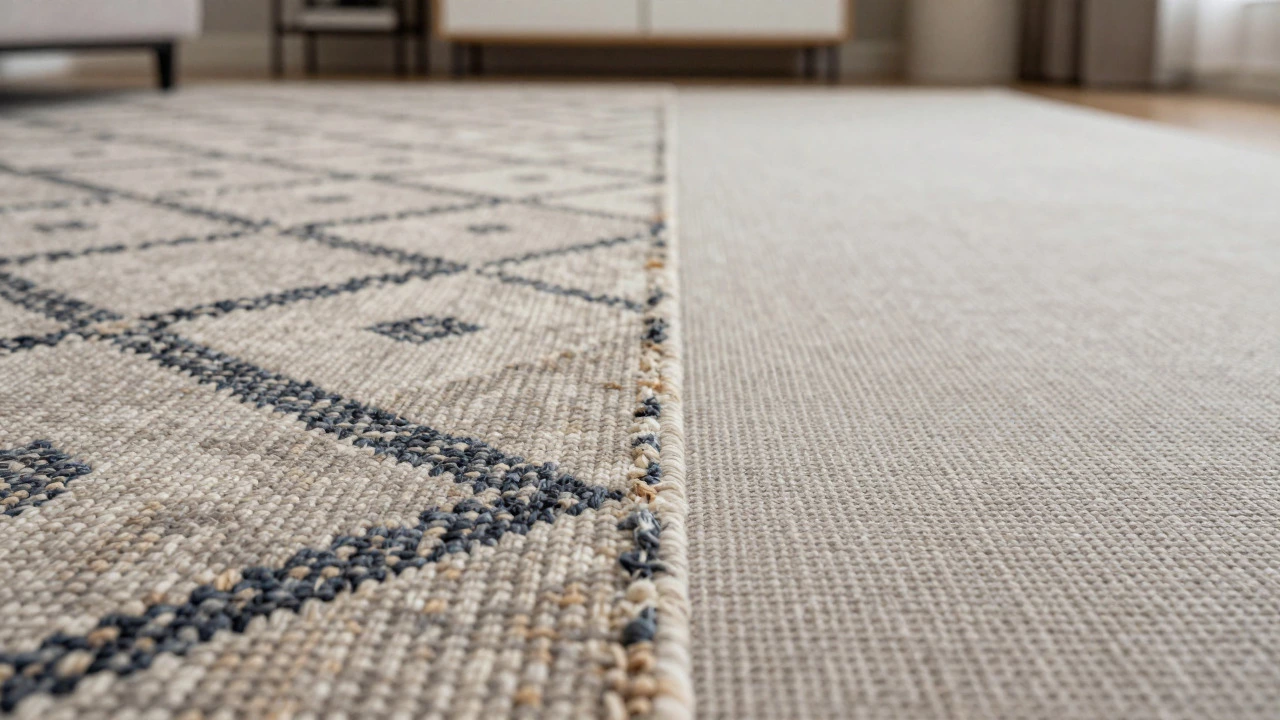
Remember when "transitional" style was everywhere? It was an attempt to blend traditional and modern elements, often resulting in confused spaces. Nowhere was this more evident than in flooring choices featuring busy, mismatched patterns. Think of those carpets with intricate geometric prints that tried too hard, or wood-look tiles with overly dramatic grain variations that looked fake under close inspection.
Designers now lean towards subtlety. The goal is for the floor to act as a canvas, not the main event. Solid colors, subtle textures, and consistent grain patterns are preferred. For example, instead of a carpet with a loud abstract print, opt for a solid neutral tone or a very low-pile, textured weave. For hard surfaces, avoid tiles with exaggerated "rustic" edges or wood planks with wildly varying widths in the same room. Consistency creates calm. When the floor is visually quiet, you can add personality through rugs, furniture, and art without creating visual noise.
The Beige Monotony vs. Warm Neutrals
For years, beige was the safe choice. It was everywhere-from walls to cabinets to flooring. But pure beige has started to feel sterile and dated. It lacks depth and character. What replaced it? Warm neutrals with undertones. Think greiges (a mix of gray and beige), soft taupes, and warm whites. These colors add dimension and make a space feel cozier and more inviting.
If your current flooring is a flat, cool beige, it might be time for a change. Look for materials with natural variation. Real wood, for instance, has knots and color shifts that add interest. Even engineered wood or high-quality vinyl can mimic this natural variation effectively. The key is to avoid uniformity. A floor that looks exactly the same from one end of the room to the other feels artificial. Embrace slight inconsistencies-they make the space feel authentic and lived-in.
Laminate’s Bad Reputation and Its Comeback
Laminate flooring got a bad rap in the early 2000s. Early versions were prone to swelling, chipping, and sounding hollow underfoot. Many homeowners associated laminate with cheapness. However, technology has evolved significantly. Today’s luxury vinyl plank (LVP) and high-end laminates offer superior durability, water resistance, and realistic aesthetics. So, is laminate outdated? Not necessarily, but the *old* style of thin, shiny laminate is.
| Material | Durability | Water Resistance | Aesthetic Appeal | Best For |
|---|---|---|---|---|
| Old-Style Laminate | Low | Poor | Artificial/Shiny | Rentals/Budget |
| Luxury Vinyl Plank (LVP) | High | Excellent | Realistic/Textured | Kitchens/Bathrooms |
| Engineered Hardwood | Medium-High | Moderate | Natural/Premium | Living Areas/Bedrooms |
| Ceramic Tile | Very High | Excellent | Versatile | Tiles/Mudrooms |
When choosing between these options, consider where you are installing the floor. LVP is fantastic for moisture-prone areas like kitchens and bathrooms because it won’t warp. Engineered hardwood offers the genuine look and feel of real wood but with better stability in varying humidity levels. If you’re stuck with old laminate, don’t panic. You can often refinish it if it’s thick enough, or cover it with a rug or new floating floor system.
Small Tiles and Grout Overload
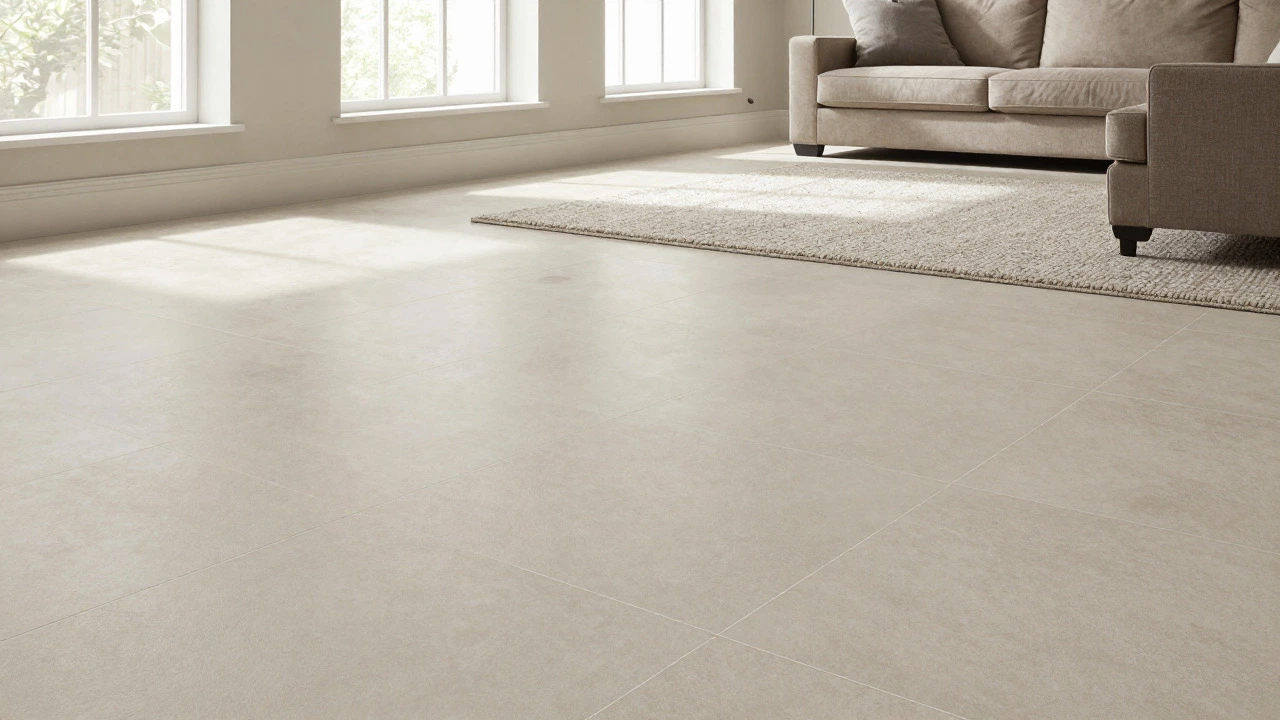
Small mosaic tiles, especially in subway or penny-round formats, were huge in the 2010s. While they aren’t inherently ugly, using them across entire large floors can create a fragmented look that overwhelms the eye. Too many grout lines mean more cleaning and a busier visual field. Modern design prefers larger format tiles-think 24x48 inches or bigger. Large tiles reduce grout lines, making the floor look seamless and expansive. This is particularly effective in smaller rooms, where fewer grout lines can make the space feel larger.
If you love the look of small tiles, use them as accents. A border, a backsplash, or a small entryway mat is perfect. But for main living areas, go big. Large-format porcelain slabs can mimic stone or wood with incredible realism and minimal maintenance. They also install faster due to fewer pieces, which can save on labor costs.
Synthetic Carpets and Wall-to-Wall Coverage
Wall-to-wall carpeting, especially in synthetic fibers like nylon or polyester with a plush pile, is becoming increasingly rare in modern homes. Why? Allergens, pet stains, and difficulty cleaning. While carpet still has its place in bedrooms for comfort and sound insulation, putting it in living rooms and hallways is seen as outdated by many designers. Instead, people are opting for hard surfaces paired with area rugs. This combination offers the durability and ease of cleaning of hard floors with the warmth and texture of rugs. You can easily swap out rugs to update your decor without replacing the entire floor.
If you must have carpet, choose natural fibers like wool. Wool is durable, fire-resistant, and naturally repels dirt and moisture. It also adds a luxurious feel that synthetics struggle to match. However, be prepared for higher upfront costs and professional cleaning requirements.
How to Choose Timeless Flooring
So, how do you ensure your next flooring choice doesn’t become outdated in five years? Focus on versatility and quality. Neutral tones with subtle texture are your best friends. Avoid extreme trends like bright blue carpets or neon-accented tiles. Stick to materials that age well. Wood develops a patina that many find attractive. Stone becomes smoother and more integrated into the home’s character. Even high-quality vinyl improves with age as it settles and wears evenly.
Consider the long-term value. While budget options might seem appealing now, they often need replacement sooner, costing more in the long run. Investing in durable, classic materials pays off both aesthetically and financially. And remember, lighting plays a huge role. Test samples in your actual space at different times of day. What looks great in the store might look dull or too dark in your home.
Is laminate flooring still considered outdated?
Old-style, thin, shiny laminate is outdated. However, modern high-density laminate with realistic textures and matte finishes is still a viable, budget-friendly option. Luxury Vinyl Plank (LVP) is generally preferred for better water resistance and realism.
What is the most popular flooring trend in 2026?
Warm, wide-plank wood looks (either real or high-quality vinyl) with matte or satin finishes are dominating. Large-format tiles with minimal grout lines are also very popular for their clean, seamless appearance.
Should I remove wall-to-wall carpeting?
If the carpet is synthetic and heavily worn, yes. Replacing it with hard surfaces and adding area rugs provides easier cleaning and a more modern look. Keep carpet only in bedrooms if you prefer softness underfoot.
Are small mosaic tiles outdated?
Using small tiles across entire large floors can look busy and dated. Use them as accents or borders instead. For main areas, large-format tiles are preferred for a cleaner, more spacious look.
How do I make my outdated floors look newer without replacing them?
For high-gloss floors, a matte topcoat can modernize the look. For busy carpets, use large, solid-color area rugs to cover most of the surface. Cleaning and deep conditioning can also revive tired-looking floors temporarily.