How to Protect Furniture in Storage from Mice: Simple, Proven Steps
Furniture Protection Checklist
Check your storage preparation
Complete all steps below to assess your furniture protection level.
Risk level: Not calculated yet
Protection Report
Nothing ruins a piece of furniture faster than a mouse. One night of chewing, and your vintage armchair, wooden coffee table, or heirloom dresser can turn into a shredded mess. If you’re storing furniture in a garage, shed, basement, or self-storage unit, mice aren’t just a nuisance-they’re a serious threat. The good news? You don’t need fancy gear or expensive products to keep them away. With a few smart, low-cost steps, you can protect your furniture and avoid costly damage.
Understand why mice target stored furniture
Mice aren’t looking to destroy your stuff. They’re looking for warmth, shelter, and something to chew on. Furniture-especially items made of wood, fabric, or foam-checks all those boxes. Upholstered sofas and chairs? Perfect nesting spots. Wooden legs and frames? Great for gnawing. Even the padding inside cushions holds fibers mice love to line their nests with. In colder months, mice move indoors. In storage units, they find quiet, undisturbed spaces. If your furniture has been sitting for weeks or months without being checked, it’s basically an all-you-can-eat buffet.Many people assume that clean, dry storage means no mice. That’s a myth. Mice can squeeze through gaps smaller than a dime. A crack in the wall, a loose vent, or even a poorly sealed door is all they need. You don’t need to see droppings to know they’re there. A faint, musky smell or a single chew mark is enough to start acting.
Step 1: Clean everything before storage
Before you pack anything, give your furniture a deep clean. Dust, crumbs, pet hair, and even body oils attract mice. Use a vacuum with a brush attachment on sofas, chairs, and cushions. Wipe down wood surfaces with a damp cloth. Let everything dry completely. Moisture invites mold, and mold attracts insects-which then attract mice. If you’re storing a mattress or upholstered piece, make sure it’s fully dry. A slightly damp cushion is a mouse magnet.Don’t forget to remove any food wrappers, napkins, or forgotten items inside drawers or under cushions. Even a single peanut butter jar left in a side table can bring in a whole colony. Empty every compartment. Sweep the floor under the furniture before moving it. Cleanliness isn’t just about looks-it’s your first line of defense.
Step 2: Wrap furniture in breathable, sealed covers
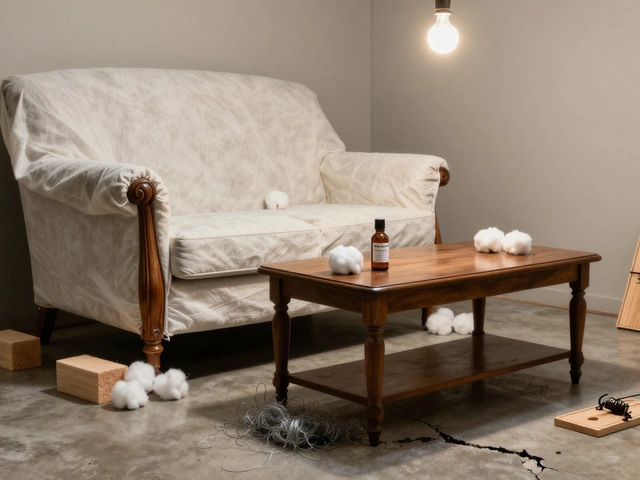
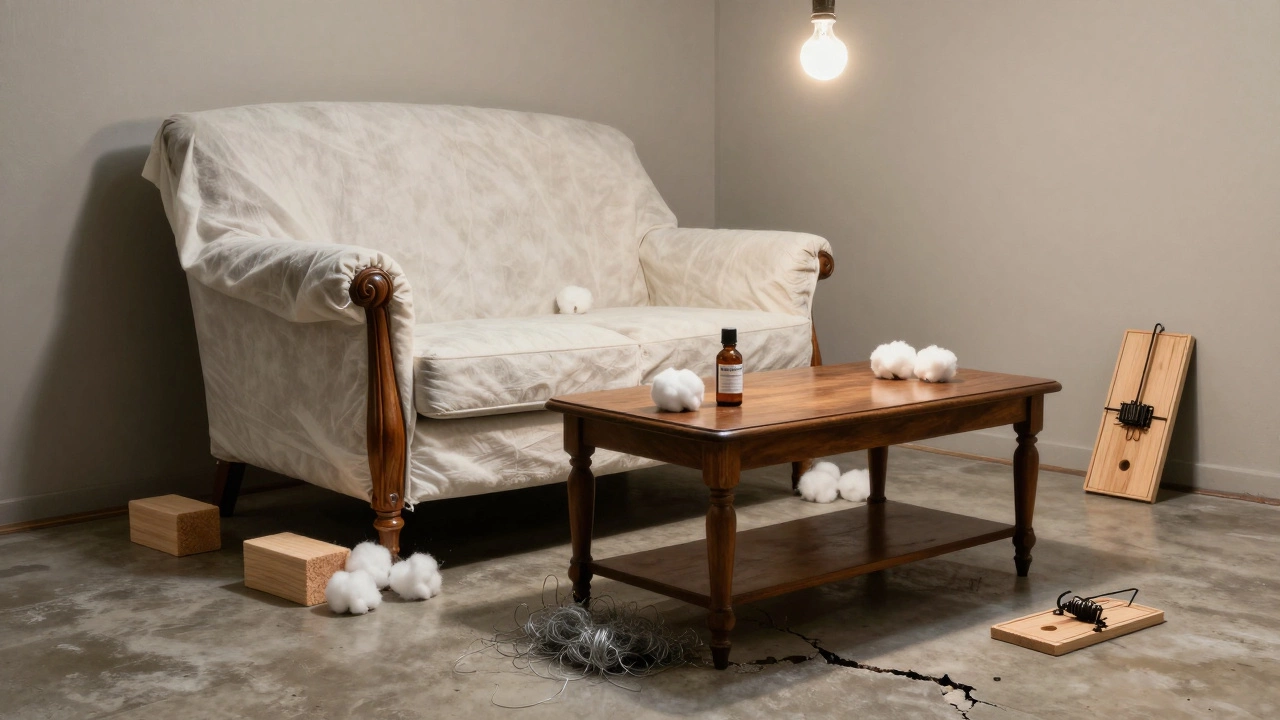
Plastic storage bags? Avoid them. They trap moisture and create a humid environment that encourages mold and makes mice more likely to nest. Instead, use heavy-duty, breathable cotton furniture covers. These let air flow while blocking dust and pests. For extra protection, wrap wooden legs and edges with cardboard or foam padding. Mice can’t chew through thick cardboard easily, and it masks the scent of the wood.If you’re storing a sofa or large item, consider using a zippered, heavy-duty storage bag made specifically for furniture. Look for ones labeled “pest-resistant” or “mice-proof.” These aren’t 100% foolproof, but they add a tough outer layer that makes it harder for mice to get in. Seal all zippers with duct tape. It sounds simple, but it works.
Step 3: Use natural repellents strategically
Mice hate strong smells. You can use that to your advantage. Place natural repellents around your stored furniture, not directly on it. Here’s what works:- Peppermint oil: Soak cotton balls in pure peppermint oil (not synthetic scent) and tuck them into corners, near vents, and under furniture legs. Replace every 2-3 weeks. Mice avoid the smell-it’s too strong for their sensitive noses.
- Cedar blocks: Place untreated cedar blocks or chips near stored items. Cedar has natural oils that repel rodents. Avoid scented cedar; it’s often treated and loses effectiveness.
- Mothballs: Skip these. They’re toxic, don’t work well in open spaces, and can leave a lasting chemical smell on fabrics.
Don’t just throw a few cotton balls in the corner. Place them in small, sealed containers with holes poked in the lid-this keeps them from staining furniture and lets the scent slowly spread. Put one near every entrance to the storage area.
Step 4: Seal the storage space
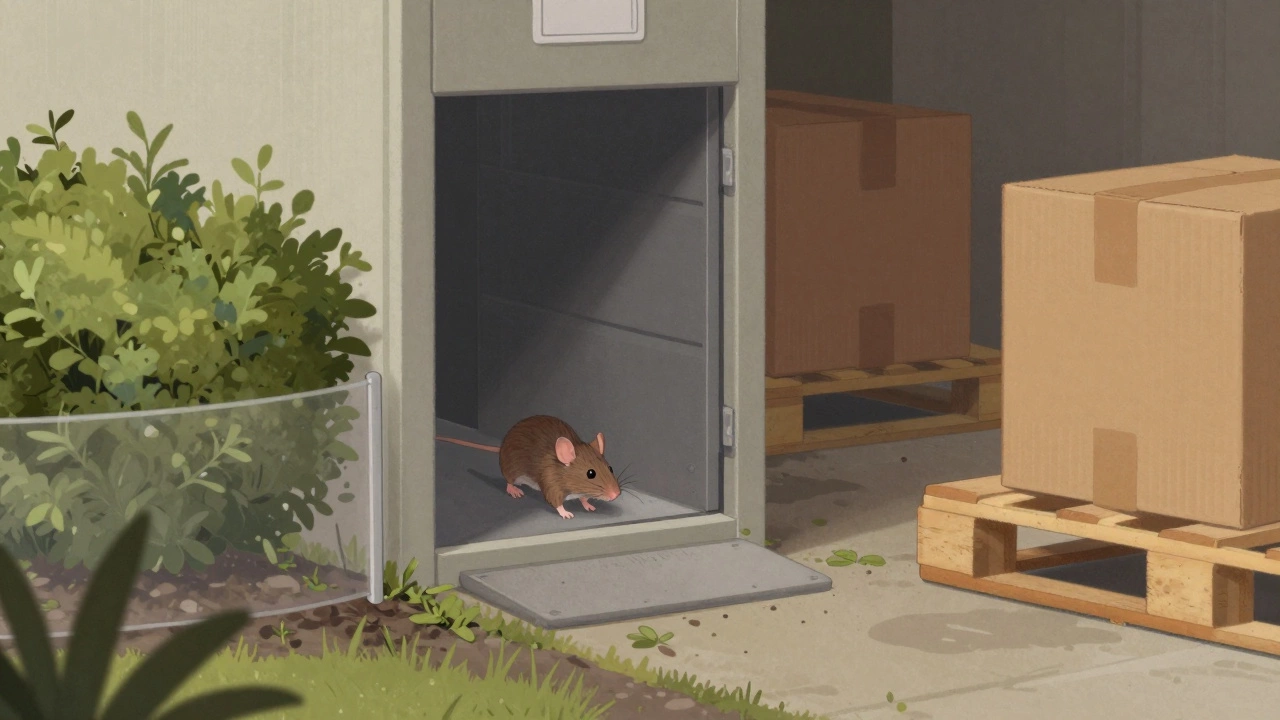
No matter how well you wrap your furniture, if mice can get into the room, they’ll find a way. Start by inspecting the storage unit or shed. Look for:- Cracks in the foundation or walls
- Gaps around doors and windows
- Broken vents or loose pipe entries
- Openings near the roof or eaves
Use steel wool to stuff small holes. Mice can’t chew through it-it’s too sharp and abrasive. Then seal it with caulk or expanding foam. For larger gaps, install metal flashing or hardware cloth. Don’t use regular foam or wood filler-they’ll get chewed through in days. Also, keep the area around the storage unit clear. Overgrown bushes, piles of wood, or stacked cardboard boxes give mice hiding spots. Clear a 12-inch perimeter.
Step 5: Use traps, not poison
If you suspect mice are already in the area, traps are your best bet. Use snap traps or live-catch traps. Place them perpendicular to walls, where mice travel. Bait them with peanut butter or dried fruit-never cheese. Check traps daily. If you catch one, don’t just toss it. Wear gloves, spray the trap with disinfectant, and bury it far from your home. Poison? Avoid it. Dead mice in walls or under furniture create stinky, hard-to-remove odors. And if one dies inside your sofa? You’re looking at a full replacement.Step 6: Check your furniture monthly
Set a calendar reminder. Every four weeks, visit your storage unit. Look for:- New chew marks
- Droppings (small, rice-shaped pellets)
- Shredded fabric or insulation
- Grease marks along walls (mice leave oily trails)
Even if everything looks fine, move items slightly to check underneath. Mice often hide there. If you find signs, clean the area, replace repellents, and reinforce seals. Catching an infestation early saves you thousands in repairs.
What to avoid
Many people make these mistakes:- Storing furniture on the ground: Always use pallets or wooden skids. Elevate items at least 6 inches off the floor. This stops moisture and makes it harder for mice to reach them.
- Using cardboard boxes: Cardboard is mouse food. If you must use boxes, seal them with heavy-duty tape and line them with plastic sheeting.
- Leaving fabric items uncovered: A couch wrapped in plastic is better than one left bare. Even a clean sheet over cushions helps.
- Ignoring humidity: In damp climates like Auckland, moisture builds up. Use a small dehumidifier in enclosed storage units. Keep the humidity below 50%.
How long can furniture stay protected?
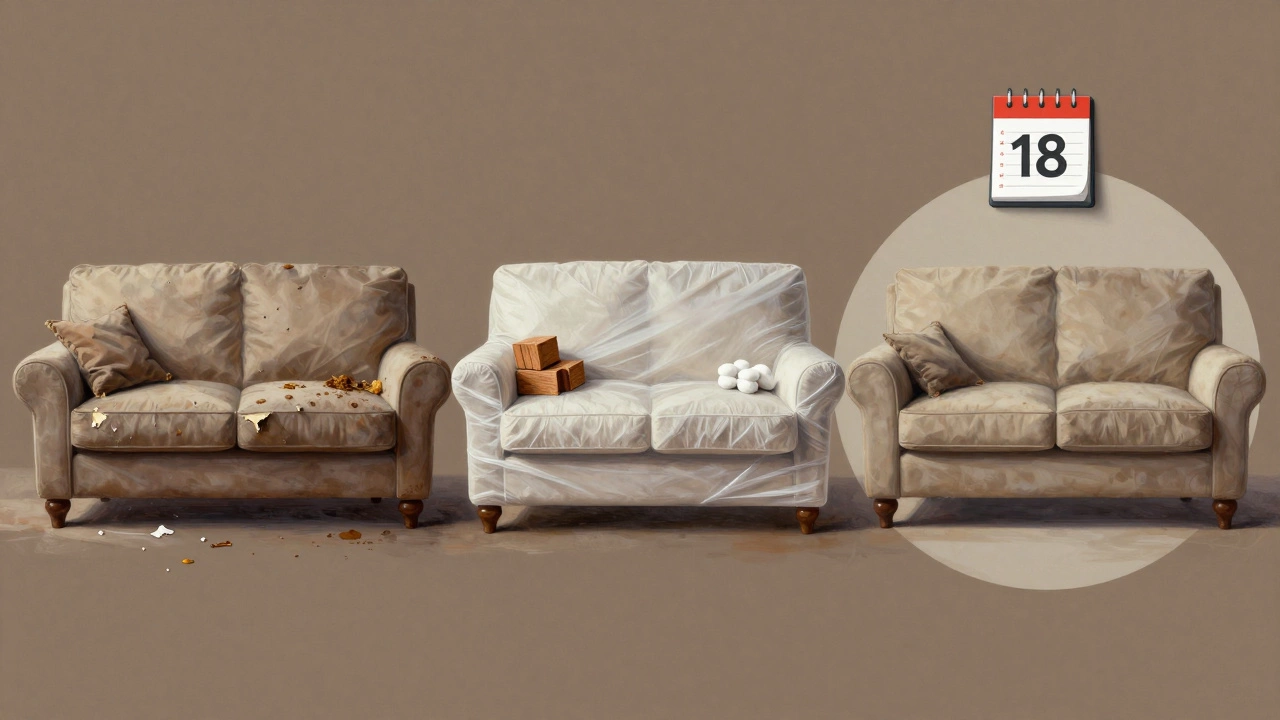
With proper prep, furniture can stay safe for months-even years. The key isn’t one magic trick. It’s consistency. Clean before storage. Wrap tightly. Seal the space. Check monthly. Repeat. People who follow this routine rarely have problems. Those who skip steps? They end up replacing furniture they thought they’d keep for decades.One customer in Wellington stored a 1950s teak sideboard for 18 months. She wrapped it in cotton fabric, used cedar blocks, and checked it every month. No damage. Another left a sofa in a garage without wrapping it. Three months later, the cushions were hollowed out. The frame was chewed. She lost over $1,200 worth of furniture. The difference? Preparation.
Final tips for long-term storage
- Store furniture in a climate-controlled unit if possible. Temperature swings attract pests. - Avoid storing old rugs, blankets, or linens with furniture-they’re mouse magnets. - If you’re storing for over a year, consider professional pest control for the unit. - Take a photo of your furniture before storing. It helps document damage if something goes wrong. - Label boxes and furniture with the date you stored them. It helps you track how long items have been sitting.Can mice chew through plastic storage containers?
Yes, mice can chew through thin plastic bins, especially if they’re made of soft polyethylene. For better protection, use hard plastic containers with tight-fitting lids, like those made from polycarbonate. Even then, seal the seams with tape. For long-term storage, metal containers are the most reliable-but they’re expensive. A better option: wrap items in fabric covers and place them inside sturdy plastic bins.
Do ultrasonic pest repellents work on mice in storage units?
No. Studies from the University of Nebraska and the USDA show ultrasonic devices have little to no effect on mice in real-world settings. They may work briefly in small, enclosed rooms, but in storage units with open spaces, vents, and clutter, the sound doesn’t travel far. Mice quickly adapt. Save your money-stick with physical barriers, traps, and natural repellents.
Is it safe to store upholstered furniture in a garage?
It’s risky. Garages are harder to seal than indoor storage units. They often have gaps under doors, open vents, and nearby vegetation. If you must store upholstered furniture in a garage, elevate it on pallets, wrap it completely in breathable fabric, place peppermint oil cotton balls around it, and seal all entry points. Check it every two weeks. If your garage is damp or has a history of pests, consider renting a climate-controlled unit instead.
Can mice damage leather furniture?
Yes. While leather is tougher than fabric, mice can still chew through it-especially if it’s cracked, dry, or has stitching. They’re attracted to the oils in leather and the padding underneath. A single mouse can make a hole the size of a golf ball. Always wrap leather furniture in a cotton cover before storage, even if it looks clean and new.
How do I know if mice have already damaged my furniture?
Look for these signs: small, sharp holes in fabric or leather, shredded stuffing, gnaw marks on wood (especially near corners or legs), droppings (dark, rice-shaped pellets), or a strong, musty odor. If you find any of these, don’t just clean it. Inspect the entire piece. Damage often hides under cushions or inside drawers. If the structure is compromised-like a broken leg or torn frame-it’s usually not repairable. Prevention is always cheaper than replacement.