How to Make Your Living Room Stand Out: Creative Decor Tips
Living Room Color Palette Planner
Define Your Palette
Enter your chosen colors to see how they balance according to the 60-30-10 rule (Dominant, Secondary, and Accent).
Visual Balance
Key Takeaways for a Standout Living Room
- Create a strong focal point to anchor the room.
- Mix textures and materials to avoid a "flat" look.
- Use a bold color strategy rather than sticking to neutrals.
- Layer your lighting to set the mood and highlight art.
- Incorporate personal, non-generic items to tell a story.
Finding Your Room's Anchor
Every room needs a hero. If everything is trying to be the center of attention, nothing is. A focal point is the first thing people notice, and it dictates how you arrange everything else. For some, it's a massive piece of art; for others, it's a structural feature like a fireplace.
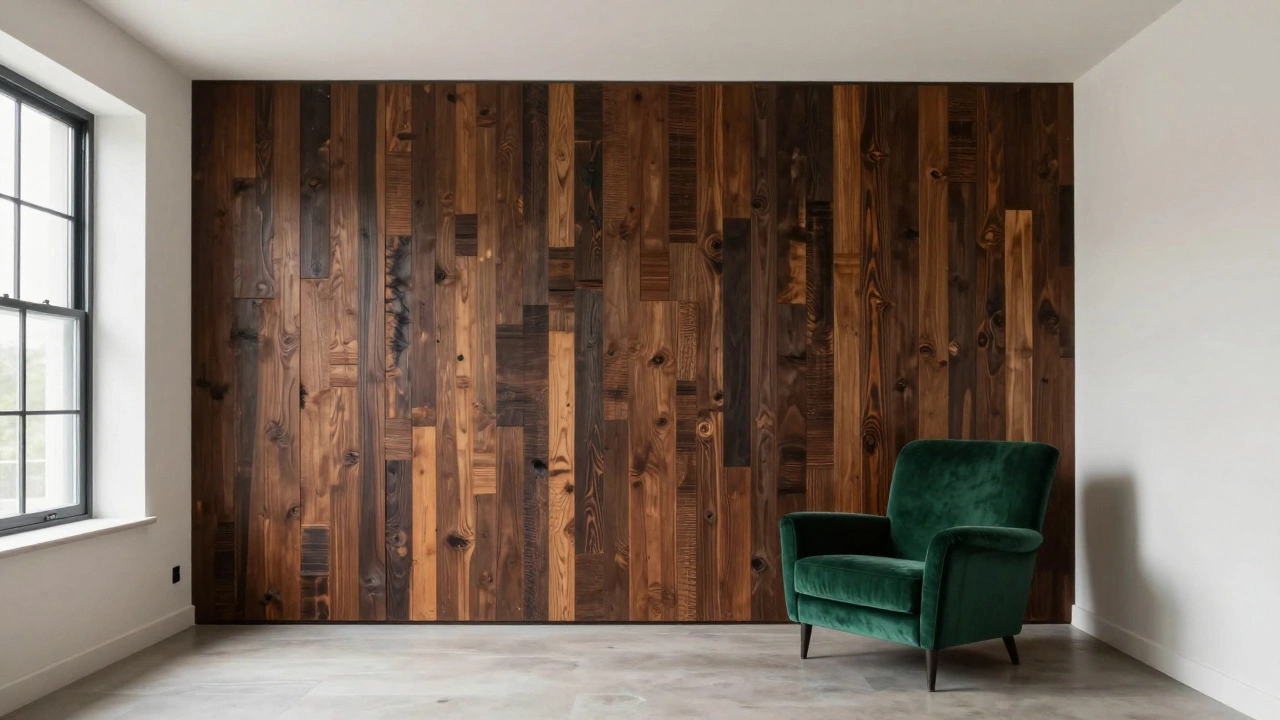
If you don't have a natural architectural feature, you can build one. Interior Design is the art and science of enhancing the interior of a building to achieve a healthier and more aesthetically pleasing environment. One of the fastest ways to create a focal point is with an accent wall. Instead of just painting one wall a different color, try something with more depth. For example, installing reclaimed wood slats or a bold, oversized mural can shift the entire energy of the space.
Think about where you want people to look. If your living room is long and narrow, placing a striking piece of furniture-like a velvet emerald green armchair-at the far end draws the eye through the space and makes the room feel intentional rather than just a hallway with a couch.
The Secret to Texture and Contrast
The reason many rooms feel "sterile" is a lack of contrast. When everything is the same material-say, a leather sofa, a glass table, and a polished floor-the room feels cold. To make a room stand out, you need to mix your materials. This is where the concept of Texture comes in. In decor, texture refers to the way a surface feels-or looks like it would feel-to the touch.
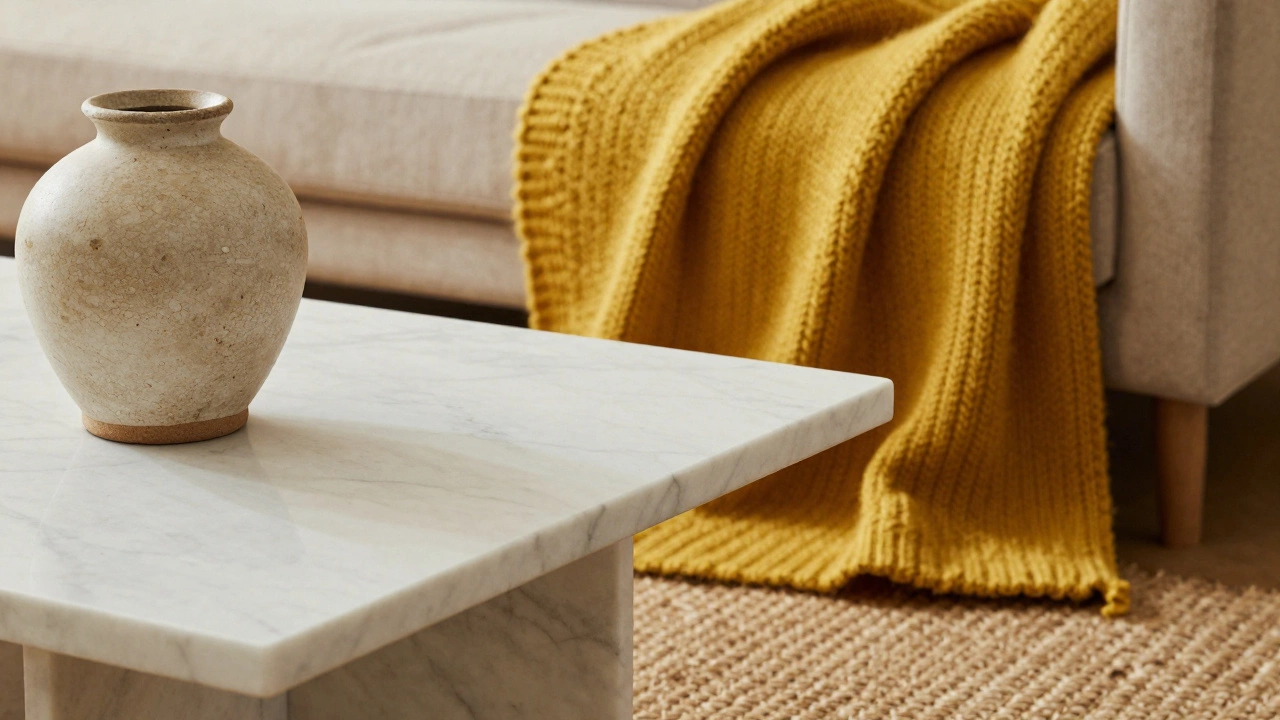
Try the "Rule of Three" for materials: combine something smooth, something rough, and something soft. Imagine a sleek marble coffee table (smooth) paired with a chunky knit wool throw (soft) and a jute area rug (rough). This contrast creates visual richness that makes a room feel curated over time rather than bought in a single afternoon.
| Base Material | Complementary Texture | Visual Effect |
|---|---|---|
| Leather/Vinyl | Faux Fur or Mohair | Luxury & Warmth |
| Glass/Chrome | Raw Wood or Linen | Modern Organic |
| Polished Concrete | High-pile Shag Rug | Industrial Comfort |
Mastering Color Beyond Beige
If you want your living room decor to pop, you have to move past the fear of color. Most people stick to a monochromatic palette because it feels "safe," but safe doesn't stand out. The trick isn't to paint the whole room neon pink; it's about using a strategic color palette.
Consider the 60-30-10 rule. 60% of your room should be a dominant color (usually a neutral), 30% a secondary color, and 10% a bold accent color. If your walls are off-white (60%) and your sofa is a deep navy (30%), that final 10% could be a bright mustard yellow in the form of cushions, a vase, or a piece of art. This creates a balanced look that feels professional but exciting.
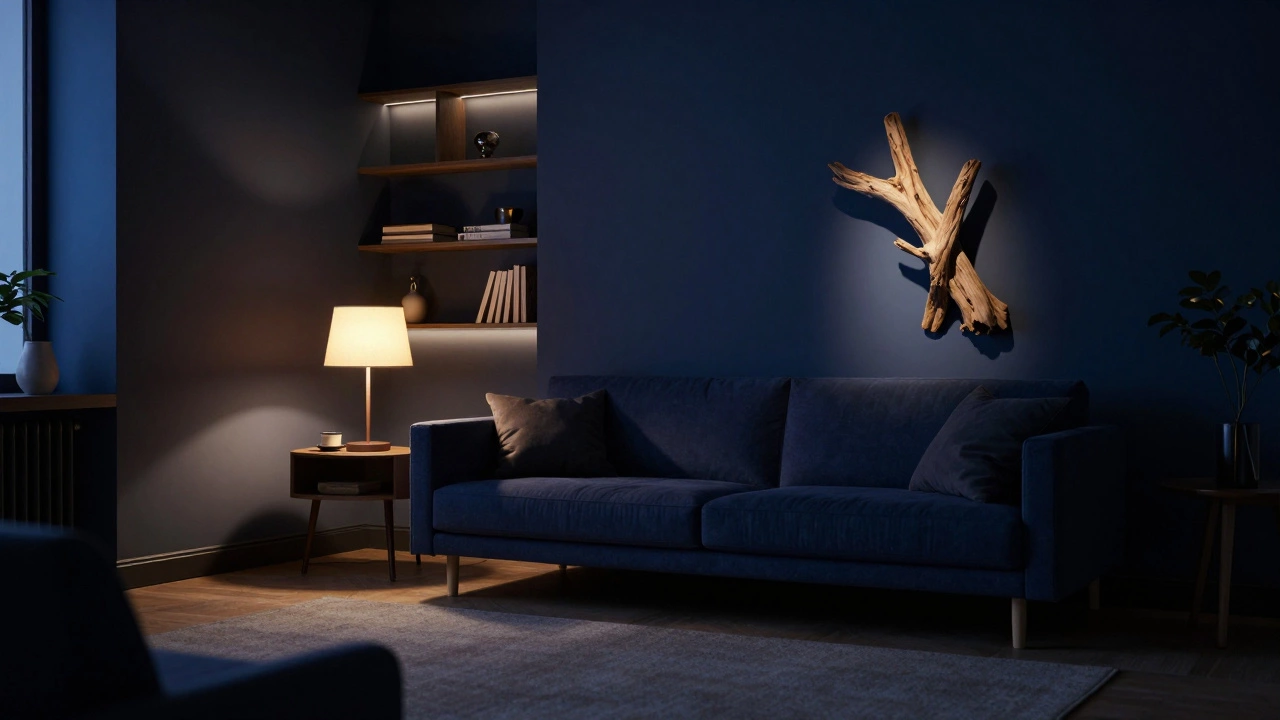
Don't be afraid of "moody" colors. Deep charcoals, forest greens, or midnight blues can actually make a room feel larger and more intimate by blurring the edges of the walls. A dark room with well-placed lighting often looks far more sophisticated than a bright white room that feels like a doctor's office.
Lighting as a Design Tool
One of the biggest mistakes people make is relying on a single overhead light. This is called "big light," and it flattens everything in the room, killing the mood and hiding the details you worked so hard on. To make a room stand out, you need layered lighting.
Ambient Lighting is the base layer, providing overall illumination. But the real magic happens with Task Lighting (like a reading lamp by the sofa) and Accent Lighting (like LED strips behind a TV or a spotlight on a painting).
Try using warm-toned bulbs (around 2700K) to create a cozy atmosphere. If you have a bookshelf, adding a few small puck lights to the upper shelves creates a high-end gallery feel. Lighting isn't just about seeing; it's about directing the guest's eye to the things you want them to admire.
Curating Your Personal Story
A room that looks like a showroom is impressive for five minutes, then it becomes forgettable. To truly stand out, you need elements that can't be bought from a store. This is the difference between decorating and curating.
Start by looking for pieces with history. A vintage mid-century modern side table found at a flea market has more character than a brand-new one from a big-box retailer. Mix these with modern pieces to avoid making your home look like a museum. This tension between old and new is what creates a "collected" look.
Arrange your accessories in odd numbers-three or five items usually look more natural than two or four. Instead of a generic bowl of decorative spheres, use items that mean something: a piece of driftwood from a specific beach, a stack of art books you've actually read, or a quirky sculpture from a trip abroad. When people ask, "Where did you get that?", you have a story to tell, and that's what makes the space memorable.
Avoiding Common Decor Pitfalls
In the quest to make a room stand out, it's easy to overdo it. The line between "eclectic" and "cluttered" is thin. One of the most common mistakes is pushing all the furniture against the walls. This creates a "dance floor" effect in the middle of the room and makes the space feel rigid.
Instead, try "floating" your furniture. Pull the sofa away from the wall by even six inches, or place a pair of chairs facing each other with a small table in between. This creates a conversation zone and makes the room feel more dynamic and spacious.
Another trap is buying matching furniture sets. A matching sofa, love seat, and armchair set is the quickest way to make a room look generic. You don't need to throw away your set, but you can break it up. Replace one chair with a vintage leather piece or swap out the generic cushions for something with a bold pattern. Breaking the symmetry makes the room feel less like a store and more like a home.
How can I make a small living room stand out without making it feel crowded?
Focus on vertical space. Use tall bookshelves or hang curtains high above the window frame to draw the eye upward. Use a large area rug-too small a rug actually makes a room look smaller-and choose furniture with legs (rather than blocky bases) to let more floor be visible, which creates an illusion of openness.
What is the best way to choose a color palette for a room?
Start with one item you love-a piece of art, a colorful cushion, or even a rug. Pick the most prominent color from that item and use it as your accent color. Then, choose a neutral that complements it (like a soft grey or warm cream) for your walls. Use the 60-30-10 rule to keep the balance from feeling overwhelming.
Can I make my room stand out if I'm renting and can't paint?
Absolutely. Focus on "removable" impact. Use large-scale peel-and-stick wallpaper for an accent wall, or use a bold area rug to define the space. Layering lighting with floor lamps and adding plenty of oversized plants (like a Fiddle Leaf Fig) can completely change the vibe without touching a paintbrush.
How do I mix different styles like modern and vintage?
The key is to find a common thread, usually color or material. If you have a very modern, sleek sofa, pair it with a vintage wooden coffee table, but maybe use a modern-style throw blanket in a color that matches the wood's warmth. When the styles are opposite but the colors harmonize, the room feels intentional.
Where should I place my furniture to make the room look more professional?
Avoid the "wall-hugger" layout. Create a focal point (like a fireplace or a piece of art) and arrange the seating around it to encourage conversation. Ensure there are clear walking paths so people don't have to navigate an obstacle course to get across the room.
Next Steps for Your Space
If you're feeling overwhelmed, don't try to change everything at once. Start with the lighting. Swap out your harsh white bulbs for warm ones and add a single floor lamp in a dark corner. Once that's done, look at your textures-add one rug or one chunky throw. Small, iterative changes usually lead to a more authentic result than a total overhaul. If you're still stuck, try taking a photo of your room; for some reason, seeing your space through a camera lens makes the "dead zones" and symmetry mistakes much more obvious.