How to Lighten Up a Dining Room with Dark Furniture: A Practical Guide
Dining Room Brightness Calculator
Select Your Improvements
Click on the strategies you plan to implement to see their combined impact.
Total Brightness Boost
Estimated improvement in perceived light
Pro Tip:
Select a strategy above to see a specific tip!
Dark wood dining tables and heavy cabinetry can make a room feel cozy, but they often swallow light, leaving the space feeling cramped or gloomy. You don't need to sand down your mahogany table or paint over your antique hutch to fix this. The secret isn't replacing your furniture; it's about manipulating how light hits those surfaces and what surrounds them.
I’ve spent years testing lighting setups in my own home here in Auckland, where the natural light changes drastically between seasons. What works in summer might fail in winter. The goal is to create layers of brightness that bounce off walls and ceilings, effectively diluting the visual weight of dark wood tones without losing the elegance they provide.
Mastering Layered Lighting
The biggest mistake people make is relying on a single overhead fixture. When you have dark furniture, which absorbs up to 80% of visible light compared to lighter woods, one ceiling bulb just creates harsh shadows under the table rim. You need to break the darkness by adding light sources at different heights.
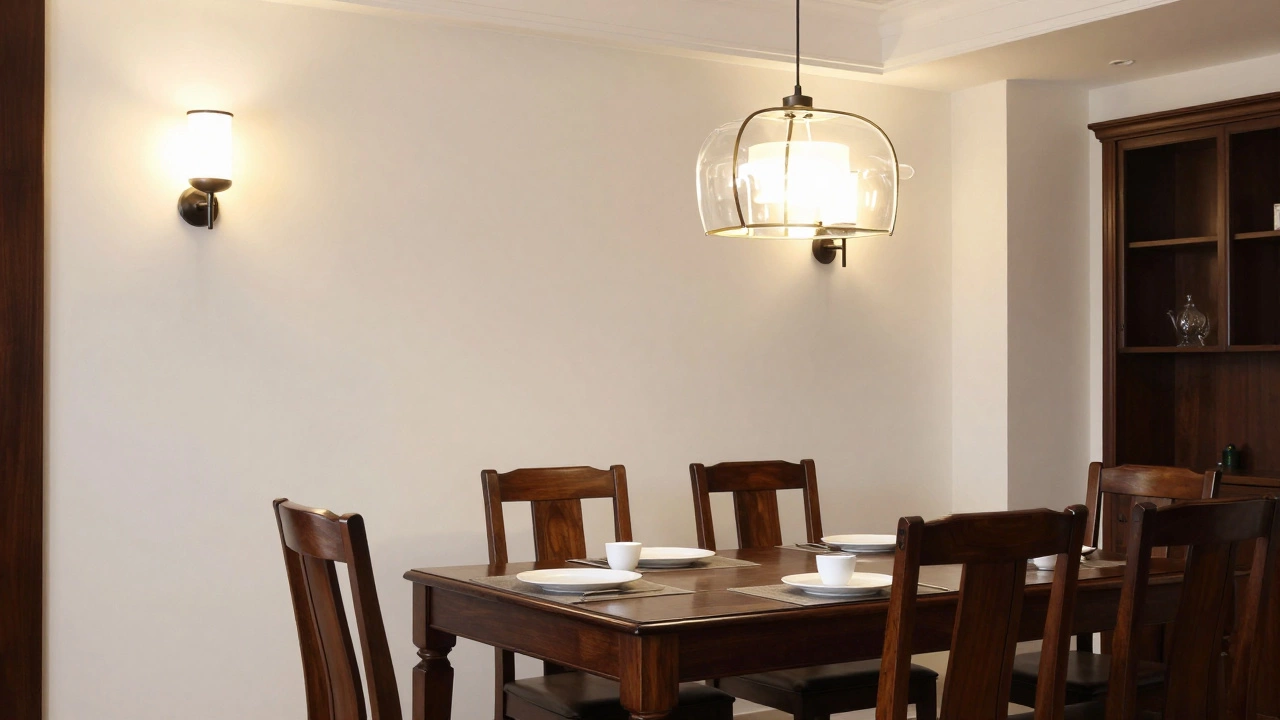
Start with ambient lighting, but change the source. Instead of a dimmable chandelier that casts light downward into the void of the table surface, consider wall sconces placed at eye level. These fixtures wash the walls with light, creating a perimeter of brightness that frames the dark furniture rather than highlighting its mass. If you prefer overhead lighting, choose fixtures with open shades or glass globes that allow light to escape upward toward the ceiling. This reflected light acts as a secondary lamp, filling the corners of the room.
Next, add task lighting specifically for the table. This doesn't mean brighter bulbs; it means directional light. A pendant light hung low over the center of the table draws the eye inward and illuminates the place settings, making the immediate dining experience feel vibrant even if the surrounding chairs are black oak. Ensure the light temperature is consistent across all sources to avoid a disjointed look.
The Power of Reflective Surfaces
If light is the ingredient, reflective surfaces are the catalyst. Dark furniture has a matte or semi-gloss finish that traps photons. To counteract this, you need materials that send light back into the room. Mirrors are the obvious choice, but their placement matters more than their size.
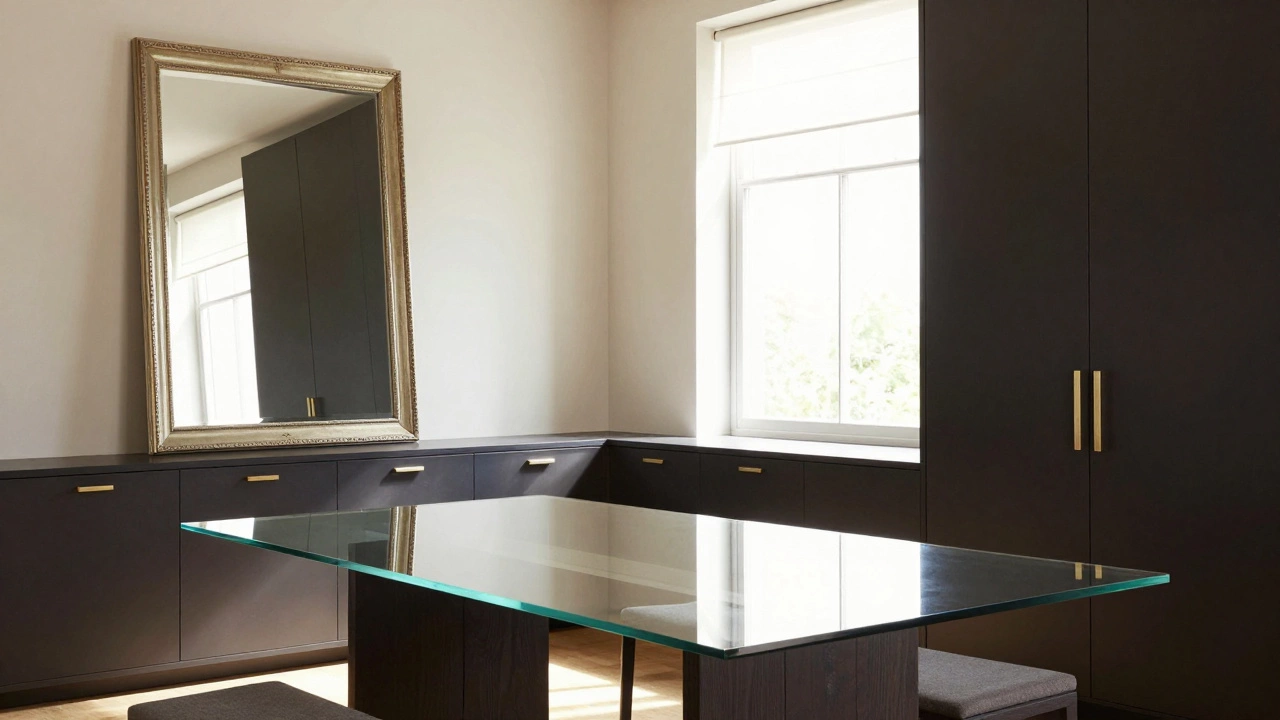
Place a large mirror directly opposite a window. This doubles the amount of natural daylight entering the room during the day. At night, position a mirror behind a wall sconce or near a floor lamp. The light will hit the mirror and scatter, creating an illusion of depth. For a more subtle approach, incorporate metallic accents. Gold, brass, or silver hardware on cabinets, legs of sideboards, or even picture frames catch glints of light. These small points of reflection break up the solid blocks of dark color, preventing the room from looking like a single monolithic shape.
Glass tabletops are another powerful tool. If your current table is too heavy, consider placing a thick sheet of tempered glass over it. This allows light to pass through to the floor below and reflects overhead illumination. It instantly reduces the visual density of the piece while preserving the structure underneath.
Color Contrast and Textiles
You cannot lighten a room solely with electricity; you must also manage color theory. Dark furniture anchors a room, so everything else needs to float. The key is high contrast. Pairing deep espresso wood with pale creams, soft grays, or crisp whites creates a dynamic tension that feels airy rather than heavy.
- Cushions and Upholstery: Swap out dark chair cushions for light-colored fabrics. Linen in oatmeal or light gray works wonders. The texture of linen also diffuses light softly, avoiding the harsh glare of synthetic satins.
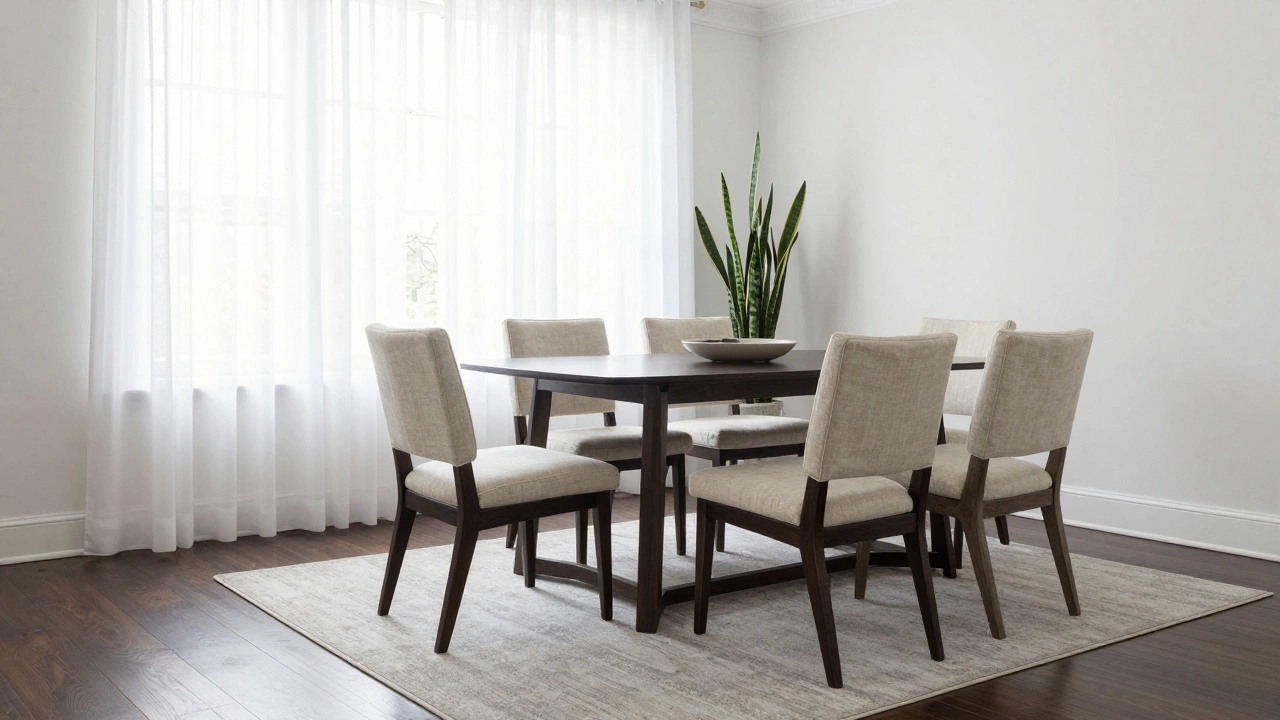
- Rugs: A dark rug under a dark table disappears, making the floor look smaller. Choose a light-colored area rug, preferably neutral or with a faint pattern. This lifts the furniture visually, separating it from the floor and defining the dining zone without adding weight.
- Window Treatments: Heavy velvet drapes in dark colors compound the problem. Switch to sheer curtains or light-filtering blinds. Sheers allow maximum daylight penetration while maintaining privacy. In the evening, they soften the artificial light, reducing shadows cast by the furniture.
Don't forget vertical space. Hang light-colored artwork above dark sideboards. The frame should ideally be light or metallic to blend with the wall, not compete with the furniture. This draws the eye upward, balancing the downward pull of the heavy wood pieces.
Strategic Use of Plants and Decor
Nature introduces organic shapes and varied greens that disrupt the rigid geometry of dining room furniture. Plants reflect light differently than painted walls or fabric leaves. Broad-leafed plants like Monstera or Fiddle Leaf Fig can catch light and cast interesting, soft shadows that add life to a static dark corner.
However, be careful with placement. Avoid placing large potted plants directly next to dark cabinets, as this can create a dense, jungle-like effect that feels cluttered. Instead, use plants on top of sideboards or in corners away from the main seating area. Tall, slender plants like Snake Plants work well in narrow spaces beside buffets, drawing the eye up without blocking light paths.
Decor objects should also follow the "lighter is better" rule. Ceramic vases in white, cream, or pastel tones stand out against dark backgrounds. Clear glass vases filled with water or dried branches allow light to pass through, adding dimension. Avoid stacking multiple dark objects together; instead, group items by varying heights and textures to keep the visual interest moving.
| Strategy | Impact Level | Cost Estimate | Best For |
|---|---|---|---|
| Layered Lighting | High | Medium ($100-$300) | Evenings and winter months |
| Mirrors & Glass | Very High | Low to Medium ($50-$200) | Small rooms with limited windows |
| Light Textiles | Medium | Low ($50-$150) | Quick refresh without renovation |
| Painting Walls | High | Medium ($100-$400) | Long-term structural change |
Wall Color and Ceiling Height
Your walls act as the canvas for your furniture. If your walls are dark, the dark furniture blends in, creating a cave-like atmosphere. Even if you love dark walls, consider painting the dining room in a light, reflective shade. Off-whites, pale blues, or soft greens reflect both natural and artificial light efficiently.
A trick I use often is painting the ceiling white. Many people ignore the ceiling, but it covers 20% of your visual field. A white ceiling bounces light down, acting as a giant reflector. If your ceilings are high, this effect is amplified. If they are low, a glossy white paint can help push the ceiling visually higher, adding airiness to the room.
If you aren't ready to repaint, focus on trim. Painting baseboards and crown molding in a crisp white contrasts sharply with dark wood floors and furniture, creating clean lines that define the room's boundaries and prevent it from feeling enclosed.
Common Pitfalls to Avoid
In the rush to brighten a room, some mistakes actually make things worse. One common error is using cool-white LED bulbs (5000K+). While they appear bright, they cast a clinical, blueish tone that makes dark wood look dull and gray. Stick to warm white (2700K-3000K) bulbs. They enhance the richness of the wood while providing sufficient illumination.
Another pitfall is overcrowding. Adding too many decorative items to clear up "darkness" often results in clutter. Clutter blocks light paths and creates more shadows. Edit your decor ruthlessly. Less stuff means more light can travel freely around the room. Keep surfaces clear except for intentional focal points like a centerpiece or a vase.
Finally, don't neglect the floor. If you have dark hardwood floors, the entire lower half of the room becomes heavy. A light-colored rug is essential here. It breaks the continuity of the dark surface and adds a layer of brightness at foot level, balancing the visual weight from head to toe.
What color walls go best with dark dining furniture?
Light, neutral colors such as off-white, cream, pale gray, or soft beige work best. These colors reflect light effectively, creating a strong contrast that makes the dark furniture stand out elegantly rather than blending into a gloomy background. Avoid dark or saturated wall colors unless you have abundant natural light and professional lighting design.
Can I use a chandelier with dark furniture?
Yes, but choose wisely. Opt for chandeliers with open arms, crystal elements, or metallic finishes that reflect light. Avoid enclosed shades that direct all light downward onto the table surface. Position the chandelier so it illuminates the center of the table while allowing some light to spill outward onto the walls and chairs.
How do I make a small dining room with dark furniture feel larger?
Use mirrors strategically to double the visual space. Place a large mirror opposite a window or light source. Additionally, choose a light-colored area rug and ensure your lighting is layered to eliminate dark corners. Keeping surfaces decluttered and using vertical storage with light-colored doors also helps the room feel less cramped.
What type of light bulbs should I use?
Use warm white LED bulbs with a color temperature of 2700K to 3000K. This range provides ample brightness while enhancing the natural tones of dark wood. Avoid cool white (4000K+) bulbs as they can make dark furniture appear flat and uninviting.
Should I paint my dark furniture a lighter color?
Not necessarily. Painting is permanent and may reduce the value of antique pieces. Before painting, try non-invasive methods like improving lighting, adding mirrors, and changing textiles. If you still wish to lighten the room, consider refinishing only accent pieces or using removable decals for a temporary change.