Coffee Table to Couch Distance: The Ideal Gap for Comfort and Flow
Coffee Table Spacing Calculator
Adjust Your Setup
Height Alignment Check
Ideally, table height should match sofa seat height (±1-2 inches).
Ideal Distance
PerfectThis gap provides a comfortable reach without hitting your knees. It allows for easy movement and visual cohesion.
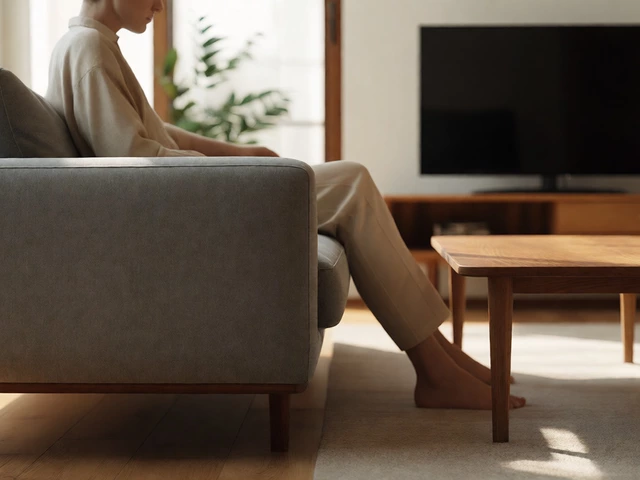
Picture this: you’re sinking into your sofa after a long day, reaching for a drink on the coffee table is a low table typically placed in front of a sofa or seating area in a living room., and your knee smacks hard against the edge. Or worse, you have to stretch awkwardly across a vast expanse of carpet just to grab the remote. It’s a small detail, but getting the spacing wrong can make your entire living room feel cramped or disconnected.
The short answer? You want about 14 to 18 inches between the couch and the coffee table. This sweet spot allows you to reach comfortably without hitting your knees, while still keeping the space open enough for easy movement. But like most things in home design, it’s not just about one number-it’s about how the pieces work together in your specific room.
The Golden Rule: 14 to 18 Inches
Interior designers often cite the 14-to-18-inch rule as the standard for a reason. It balances accessibility with circulation. If the gap is too narrow-say, under 12 inches-you’ll find yourself constantly bumping your shins when you sit down or stand up. It feels claustrophobic, even if the room isn’t actually small.
On the flip side, if there’s more than 20 inches between the seating and the table, the connection breaks. Your eyes stop seeing them as a unified set. You might also struggle to reach items on the table without leaning forward excessively, which defeats the purpose of having a convenient surface nearby.
This range works because it respects human ergonomics. The average arm length and sitting posture mean that 15 inches is roughly where your hand naturally falls when resting on your lap or reaching slightly forward. It’s intuitive. You don’t think about it; you just use the space.
Why Your Room Size Changes the Equation
While 14 to 18 inches is a great starting point, rigid adherence to it can backfire in extreme spaces. In a tiny apartment studio, squeezing in a full-sized coffee table with an 18-inch gap might leave no room to walk around. Here, you might need to compromise. Consider a smaller, nested table or a ottoman-style table that can be tucked closer-maybe 10 to 12 inches away-when not in use.
In large, open-plan living rooms, however, sticking strictly to 14 inches might make the seating area look oddly detached from the rest of the room. In these cases, you can widen the gap slightly, up to 20 inches, especially if you’re using a larger, more substantial coffee table. The key is ensuring the visual weight of the table matches the scale of the room. A massive marble slab needs more breathing room than a petite glass-topped bistro table.
Height Matters Just as Much as Width
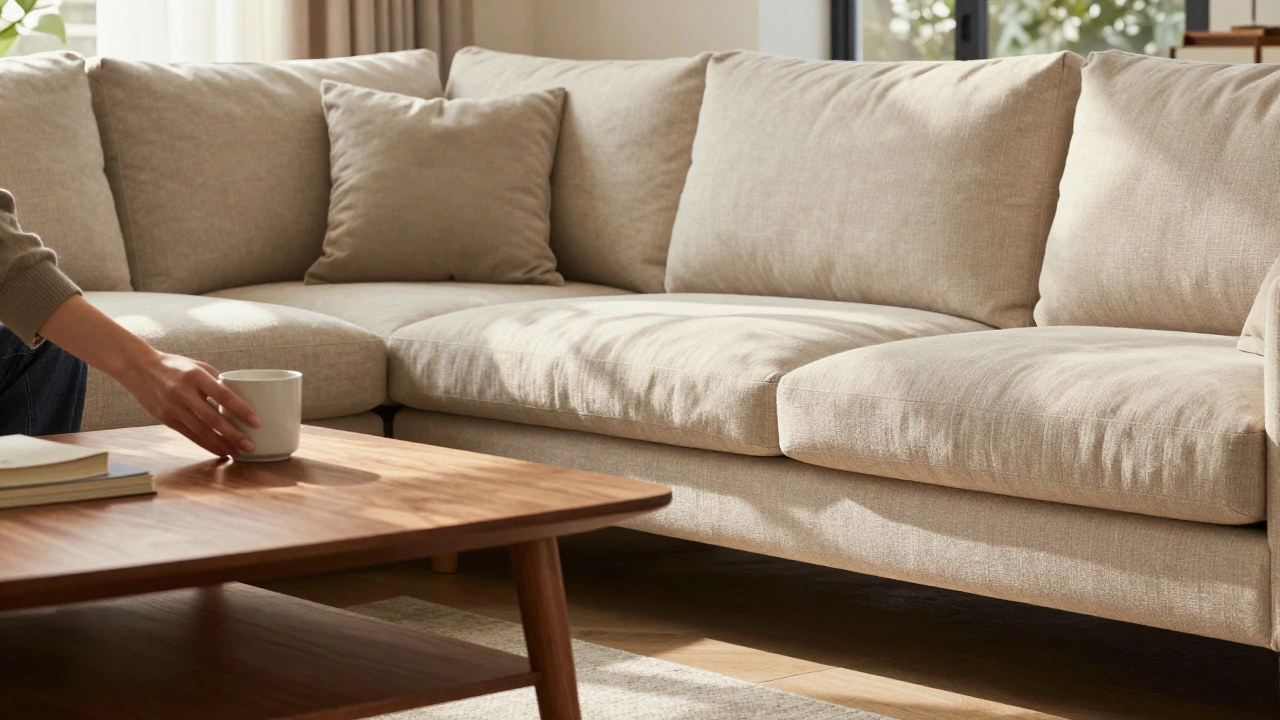
We often focus so much on horizontal spacing that we forget vertical alignment. The height of your coffee table relative to your couch cushions plays a huge role in comfort. Ideally, the top of the coffee table should be level with the seat cushions of your sofa, or within 1 to 2 inches above or below them.
If the table is significantly higher than the cushions, it creates a visual barrier and makes reaching down feel awkward. If it’s much lower, you’ll have to hunch over, straining your neck and back. When the heights align, the transition from sitting to reaching becomes seamless. Think of it as creating a continuous plane for your body to interact with.
Measure your sofa’s seat height first before buying or placing a coffee table. Most standard sofas have seats around 17 to 19 inches high. Therefore, a coffee table between 16 and 20 inches tall will usually fit perfectly. If you have a deep, low-profile sectional, you might need a shorter table, perhaps 14 to 16 inches high, to maintain that ergonomic harmony.
Shape and Style Influence Spacing Needs
Not all coffee tables are rectangular slabs. The shape of your table affects how much clearance you actually need. Rectangular tables placed parallel to the sofa generally follow the 14-to-18-inch rule along their entire length. But what if you have a round or oval table?
Round tables offer flexibility. Because they lack sharp corners, you can place them slightly closer to the seating without the same risk of injury. An 11-to-13-inch gap might work well with a smooth-edged round table, allowing for easier access while maintaining a cozy feel. Oval tables behave similarly, offering curved ends that soften the interaction with surrounding furniture.
Cornered tables, especially those with sharp edges, demand more respect. Keep them at least 15 inches away to avoid accidental bumps. If you have young children or pets, consider rounding out the edges with protective guards or choosing a table with softer materials like wood with rounded profiles instead of glass or metal.
Circulation Paths: Don’t Forget the Walkway
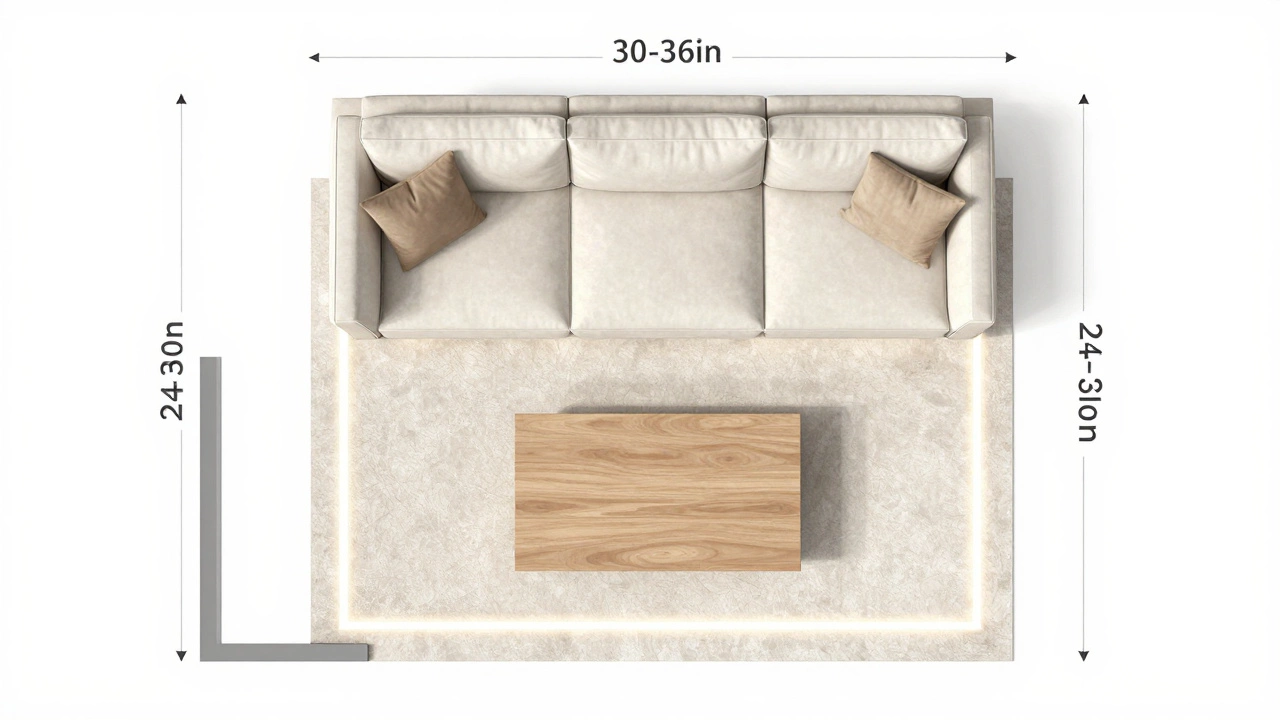
Your coffee table doesn’t exist in isolation. It sits within a flow of traffic. Behind the sofa, you need enough space for people to walk through comfortably. Standard advice suggests leaving at least 30 to 36 inches behind the sofa for a main walkway. If this path leads directly past the coffee table, ensure there’s enough lateral space too.
Imagine someone walking from the kitchen to the TV area. They shouldn’t have to sidestep carefully around a protruding table corner. A minimum of 24 to 30 inches of clear floor space on the sides of the coffee table helps maintain smooth circulation. In tighter spaces, prioritize the primary path and adjust the table position accordingly, even if it means sacrificing some ideal spacing on less-used sides.
| Scenario | Recommended Gap (Inches) | Notes |
|---|---|---|
| Standard Living Room | 14 - 18 | Ideal balance of reach and safety |
| Small Apartment | 10 - 12 | Use nestable or ottoman tables |
| Large Open Plan | 18 - 20 | Prevents visual clutter |
| Round/Oval Tables | 11 - 13 | Softer edges allow closer placement |
| Sharp-Cornered Tables | 15+ | Safety priority for kids/pets |
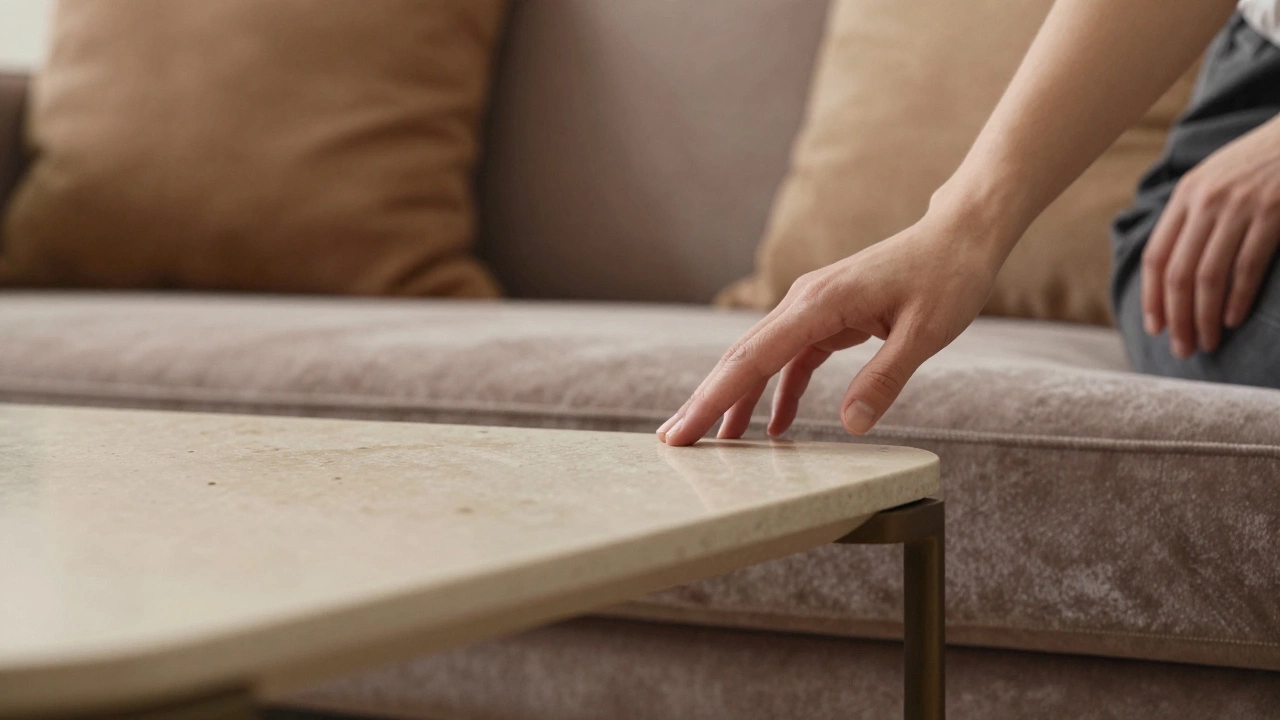
Visual Cohesion and Rug Placement
Rugs anchor the seating area and influence perceived spacing. For the best look, all six legs of your sofa and coffee table should ideally rest on the rug. This creates a unified zone. If your rug is too small, the coffee table might hang off the edge, making the gap feel disjointed.
When measuring, account for the rug’s thickness and pile. High-pile rugs can add half an inch or more to the effective height of the table, subtly changing the ergonomics. Also, consider the visual weight of the rug pattern. Bold patterns can draw the eye inward, making a 14-inch gap feel spacious. Subtle textures might require slightly tighter spacing to maintain intimacy.
Testing the Fit Before Committing
Before finalizing your layout, test it physically. Use painter’s tape to mark the outline of your coffee table on the floor. Sit on your sofa and mimic daily actions: reaching for a book, setting down a mug, crossing your legs. Does it feel natural? Do you hit your knees?
Invite friends over to observe their behavior. Watch how they navigate the space. Are they stepping over the table? Leaning too far? Real-world usage reveals issues that static measurements miss. Adjust the tape marks until the flow feels effortless. Once satisfied, measure the final gap and proceed with confidence.
Common Mistakes to Avoid
- Ignoring Sofa Depth: Deep sofas may require slightly wider gaps to accommodate longer leg extensions.
- Overlooking Side Tables: If you have end tables flanking the sofa, ensure they don’t crowd the coffee table approach.
- Forgetting Lighting: Floor lamps near the seating area need clearance too; don’t let them encroach on the 14-to-18-inch zone.
- Assuming Symmetry: Asymmetrical layouts are fine. Adjust spacing based on sightlines and primary activity zones.
What is the exact distance a coffee table should be from the couch?
The ideal distance is 14 to 18 inches. This range provides comfortable reach for items on the table while preventing knee injuries when sitting down or standing up. Adjust slightly based on room size and table shape.
Can I place my coffee table closer than 14 inches?
Yes, in small spaces or with round/oval tables, you can reduce the gap to 10-12 inches. Ensure the table has soft edges and doesn’t obstruct movement. Test the fit by sitting and reaching to confirm comfort.
How does coffee table height affect spacing?
Height impacts ergonomics more than width. The table top should align with your sofa cushions (±1-2 inches). Proper height alignment reduces strain and makes the spacing feel more natural, even if the gap varies slightly.
Do I need different spacing for sectional sofas?
Sectionals often have deeper seats, so lean toward the upper end of the range (16-18 inches) to accommodate extended legs. Corner chaises may require adjusted angles to maintain clear pathways around the table.
Should the coffee table and couch be on the same rug?
Ideally, yes. Placing both on the same rug defines the seating area visually. Ensure the rug is large enough to support all legs of the sofa and table, enhancing cohesion and stability in the layout.