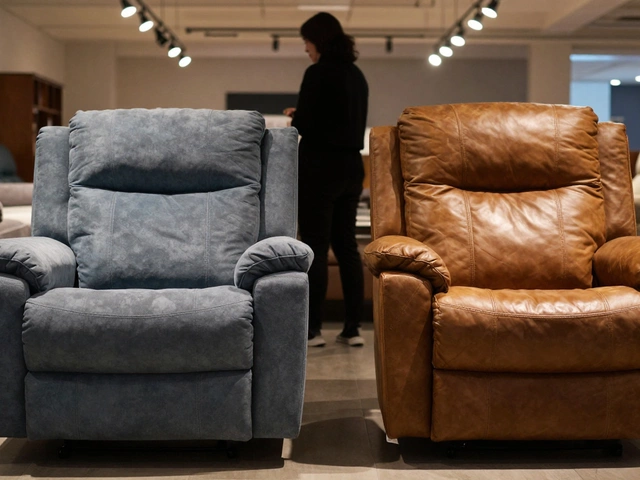
How Much Should You Spend on a Good Recliner? Pricing Guide & Quality Tips
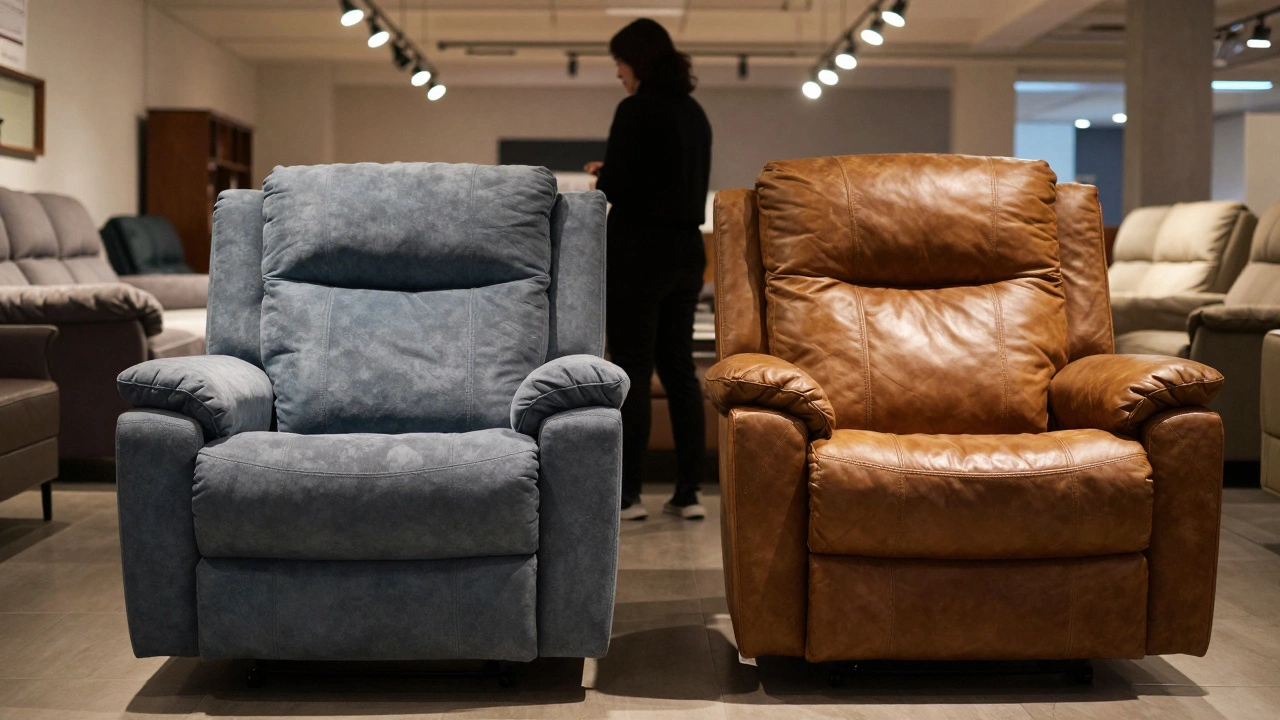
You stare at the display model, feeling relaxed, but then you see the tag. Suddenly, the comfort isn't worth four hundred dollars versus four thousand. That price gap drives people crazy when shopping for seating. It isn't just about picking a seat; it is about investing in years of rest without breaking the bank.
Understanding Price Tiers
Most shoppers assume cheap means bad, but that isn't always true. Market research shows three distinct levels for Recliner Chairs are specialized seats designed to support the body while reclining. The price you pay correlates directly with durability and features rather than just appearance.
Budget Range ($400 - $800 NZD)
In this bracket, you find basic manual models. These units usually have plastic glides instead of casters. The frame is often made from particle board rather than solid wood. This is fine for a guest room or occasional guest use. Do not expect these to last beyond five years with heavy daily use. They lack ergonomic support systems found in pricier options.
Mid-Range ($800 - $2,000 NZD)
This is the sweet spot for most households. You get a combination of fabric options and better internal mechanisms. Many models here offer power recline functions where a button handles the movement. The cushioning includes high-density foam that resists sagging longer. If you plan to sit here reading every evening, look here. The build quality balances cost with longevity effectively.
Premium Range ($2,000+ NZD)
Top-tier options feature genuine leather, motorized zero gravity positions, and massage features. Companies selling these units often provide ten-year structural warranties. The mechanisms are tested to withstand tens of thousands of cycles. This investment suits primary users who spend six hours or more daily in the chair. You are paying for advanced engineering, superior materials, and service support.
| Tier | Price Range | Lifespan | Key Features |
|---|---|---|---|
| Budget | $400 - $800 | 3-5 Years | Manual Lever, Basic Fabric |
| Mid-Range | $800 - $2,000 | 7-10 Years | Power Button, Solid Wood Frame |
| Premium | $2,000+ | 10+ Years | Leather, Massage, Extended Warranty |
The Hidden Costs of Cheap Builds
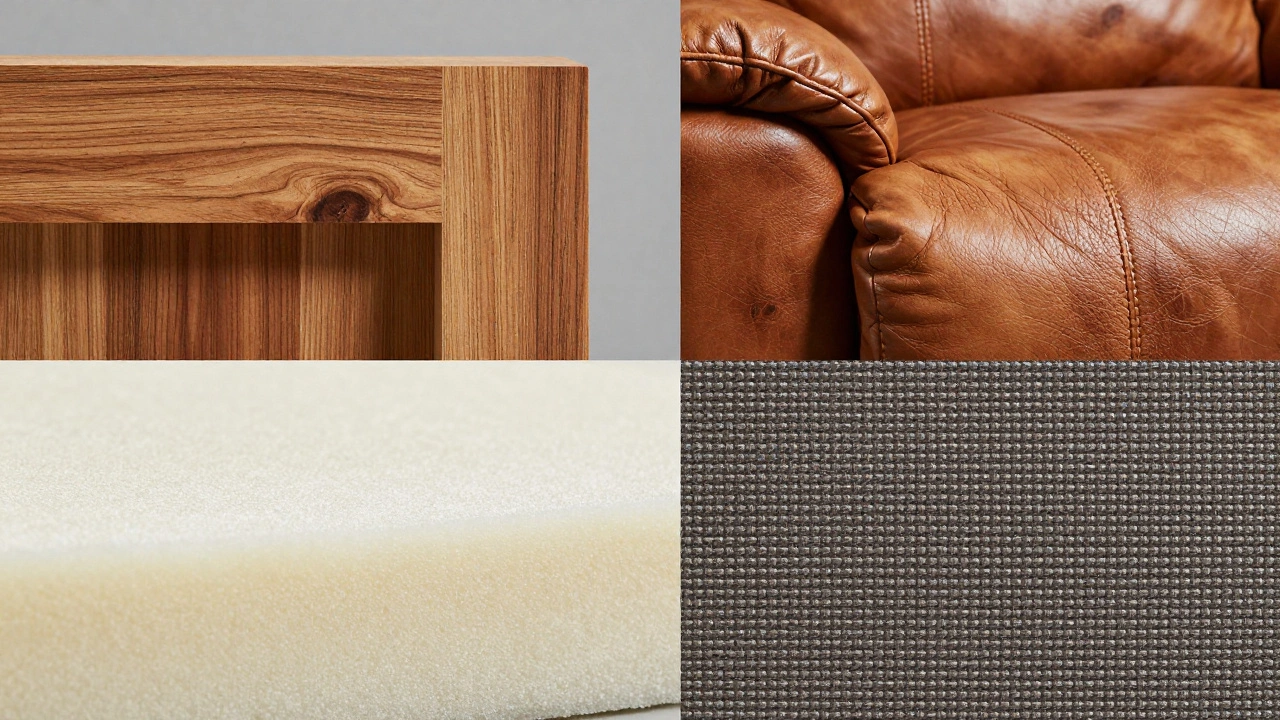
When prices drop significantly below the average, something is sacrificed internally. A common culprit is the frame material. Solid hardwood provides stability, while lower-grade composites can flex or crack under stress. Flexure testing indicates that a Wood Frame structural skeleton providing support for recliner mechanisms must resist twisting forces to ensure safety.
Another issue involves the upholstery. Synthetic vinyl is cheaper and easier to clean, but it lacks breathability. Genuine Leather Upholstery material derived from animal hide known for durability breathes better and develops a patina over time, though it requires maintenance. Fabric durability varies by weave density. You can test this by rubbing the sample swatch vigorously with your hand. If threads show easily, it won't survive active families.
Cushioning plays a massive role in perceived value. Low-cost chairs often use bonded foam or low-density fiber. After eighteen months, these create uncomfortable depressions where hips sit. High-quality Memory Foam viscoelastic material used for contouring support conforms to your shape and bounces back. When shopping, ask the retailer specifically about the ILD rating of the cushions. Higher numbers mean firmer support.
Evaluating Mechanical Features
Functionality defines why you need a recliner. Does it simply tilt back? Or does it adjust legrests independently? Basic mechanical hinges are durable but require physical force to operate. Power mechanisms use small motors hidden behind the panels. While they sound complicated, modern motors run quietly and connect to wall outlets via standard plugs.
If you have mobility issues, consider the weight capacity limits. Most standard frames handle up to 250 pounds comfortably. Heavier duty frames reinforce the connection points between the base and the seat. Ignoring this spec leads to premature failure of the locking mechanism. Also, check if the unit offers a "wall-saver" design. Standard recliners push away from the wall when extending. Wall-saver tracks slide underneath, allowing placement inches from the drywall.
Warranty Terms and Protection
A warranty document tells you how much confidence the maker has in their product. Many budget brands offer one-year limited coverage that only applies to manufacturing defects. This excludes damage from normal wear and tear. Mid-range sellers usually extend this to five years on mechanisms. Top brands often split the warranty: lifetime for the frame, five years for mechanisms, and two years for soft goods.
Always read the fine print regarding labor costs. Some companies cover parts but charge $150 for technician visits. Others bundle the service entirely. In regions like Auckland, import logistics matter. If the chair is imported directly from overseas, repair times can stretch because spare parts aren't locally stocked. Domestic assembly ensures parts are available quickly if issues arise later.
Manufacturer Warranty legal guarantee protecting buyers from product defects protects your long-term investment. Look for clauses that cover structural integrity specifically. This is the most critical protection for expensive furniture.Calculating Cost Per Year
To determine real value, divide the purchase price by the expected years of life. A $1,000 chair lasting ten years costs $100 annually. A $500 chair lasting three years costs roughly $166 annually. This simple math reveals that spending upfront money often saves cash in the long run. Replacement fatigue is real. Dealing with the hassle of shopping and moving furniture every few years adds hidden emotional costs.
Consider your usage patterns. If you use the chair twice weekly, the budget option might suffice. Daily heavy use demands higher specifications. Account for future changes too. If you plan to downsize later, a bulky Zero Gravity Position ergonomic posture distributing body weight evenly chair might become hard to move or resell. Versatility in size matters for resale value.

Practical Shopping Strategies
Timing influences price significantly. Major sales events like Black Friday, January clearance, or store anniversaries often slash prices on floor models. Floor models have been sat on repeatedly but are structurally sound if inspected well. You save a significant percentage but accept some cosmetic wear.
Negotiation is possible in many brick-and-mortar stores. Sales staff often have discretionary discount authority. Mentioning competitor pricing helps unlock better deals. Online retailers rarely negotiate, but they frequently offer student discounts or first-time buyer coupons. Shipping fees add up fast, especially for bulky items entering rural areas. Always clarify the delivery terms before checkout to avoid surprise charges upon arrival.
Finally, trust your senses. Sit in the chair before buying online. Photos cannot convey firmness or lumbar support height. A recliner buying guide should emphasize personal comfort above all specs. The data supports quality, but your body confirms suitability.
Frequently Asked Questions
What is the minimum budget for a decent recliner?
Generally, spending at least $800 NZD secures a mid-range chair with solid construction and reliable mechanisms.
Are leather recliners more expensive than fabric?
Yes, genuine leather typically costs more due to material sourcing and processing, offering longer lifespan than synthetic fabrics.
How long do recliners usually last?
With proper care, a good quality recliner should last between seven to fifteen years depending on usage frequency.
Is power recline worth the extra cost?
For most users, yes, it reduces strain and allows for smoother adjustments, especially for elderly users or those with mobility issues.
What should I check in a recliner warranty?
Check for coverage duration on the frame, mechanisms, and foam separately, ensuring labor costs are included for repairs.