How Much Should Bookshelves Cost? A Complete Price Guide for 2026
Bookshelf Value & Cost Calculator
Use this tool to determine if a bookshelf price is fair based on its materials and construction quality. Enter the details of the bookshelf you are considering.
You walk into a furniture store or scroll through an online catalog, and the price tags make your head spin. One bookshelf costs $40; another looks identical but asks for $800. What gives? The truth is, bookshelf cost isn't just about how many books it holds. It’s about materials, construction methods, who built it, and where you’re buying it.
If you’ve ever tried to figure out what you should actually pay for a decent set of shelves, you know it’s confusing. Are you getting ripped off by that cheap particleboard unit? Is the expensive hardwood one worth every penny? Let’s break down exactly what drives these prices so you can stop guessing and start buying with confidence.
The Three Tiers of Bookshelf Pricing
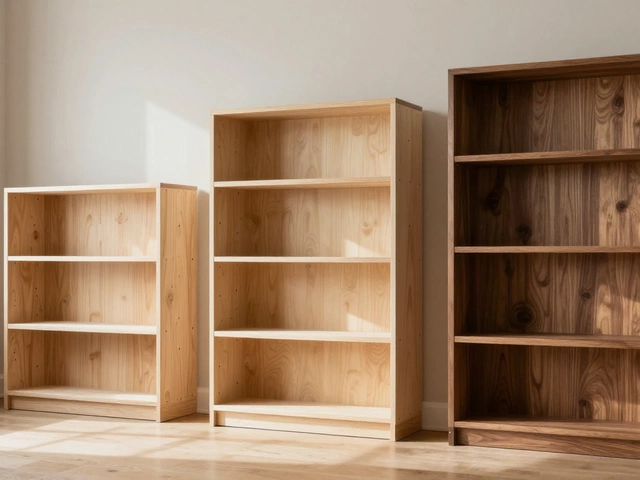
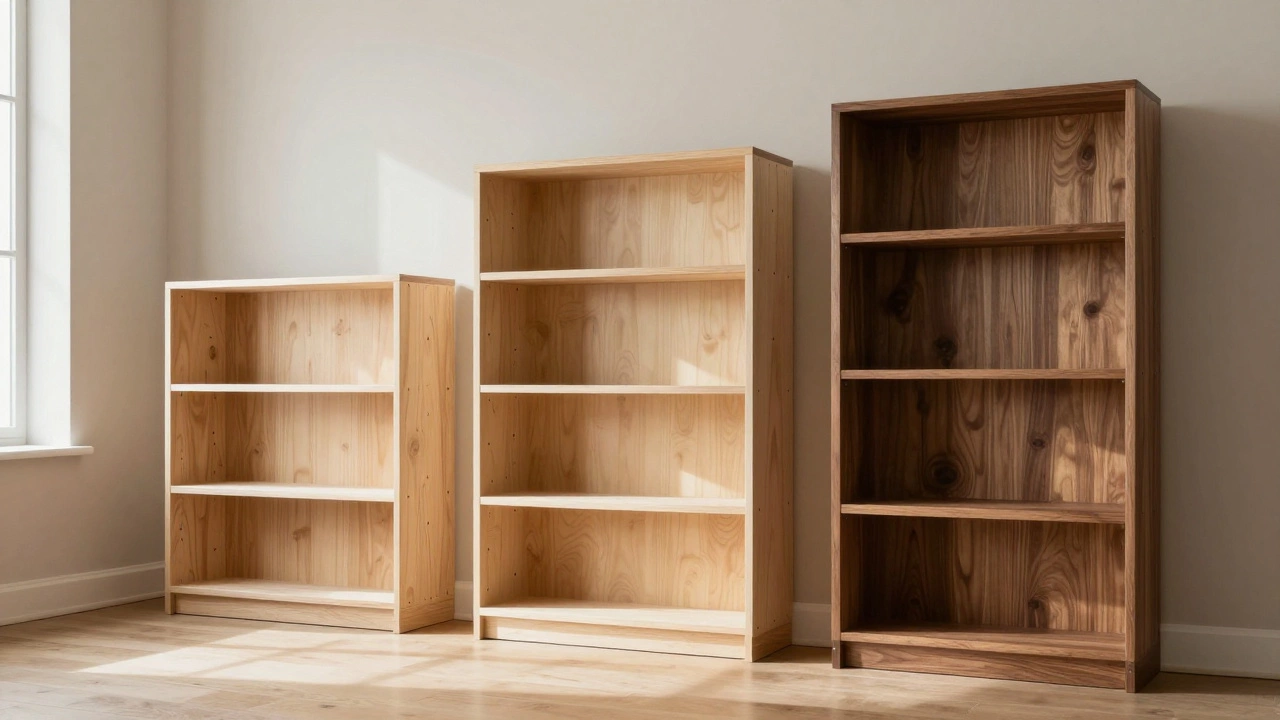
To understand value, you first need to categorize the options on the market. Most bookcases fall into three distinct buckets based on their construction and intended lifespan. Knowing which bucket fits your needs saves you from overpaying for features you don’t need or underpaying for a product that will collapse in six months.
| Tier | Price Range (USD) | Primary Materials | Lifespan Expectancy |
|---|---|---|---|
| Budget / Entry-Level | $30 - $150 | Particleboard, MDF, Thin Plywood | 1-3 years |
| Mid-Range / Standard | $150 - $500 | Thick Plywood, Engineered Wood, Some Solid Wood Accents | 5-10 years |
| Premium / Custom | $500 - $2,500+ | Solid Hardwoods (Oak, Walnut, Maple), Dovetail Joints | 20+ years / Lifetime |
Budget Bookshelves: The $30-$150 Range
This category includes the units you find at big-box retailers like IKEA, Walmart, or Target. Think of the popular IKEA BILLY bookcase, which typically retails between $79 and $129 depending on size and finish. These are fantastic for renters, temporary spaces, or light-duty storage.
Why are they so cheap? The material is usually particleboard or medium-density fiberboard (MDF) wrapped in a thin veneer. Particleboard is essentially sawdust glued together. It’s heavy, but it lacks structural integrity. If you overload a shelf with encyclopedias, it will sag noticeably within a year. The hardware is also minimal-cam locks and dowels rather than screws and brackets.
Who should buy this? You should choose this tier if you are moving frequently, decorating a child’s room where trends change fast, or storing lightweight paperbacks and decorative objects. Do not expect these to hold heavy hardcovers or serve as a structural element in your home design.
Mid-Range Bookshelves: The $150-$500 Sweet Spot
This is where most homeowners land. Brands like Wayfair Basics, Article, and West Elm dominate this space. At this price point, you start seeing better engineering. Instead of hollow particleboard, you might get thicker plywood or laminated hardwoods. The finishes are more durable, resisting scratches and moisture better than budget options.
A key feature in this range is adjustability. Many mid-range shelves come with pre-drilled holes for adjustable shelving heights, allowing you to accommodate different book sizes without buying new units. You also see more design variety here-open back designs, integrated lighting slots, or modular systems that let you expand laterally.
For example, a solid oak-effect bookcase from a retailer like Pottery Barn might cost around $350. While it may still use engineered wood for the sides, the top and shelves are often solid wood or high-grade veneers. This offers a good balance of aesthetics and durability for a living room or home office.
Premium and Custom Bookshelves: 0 and Up
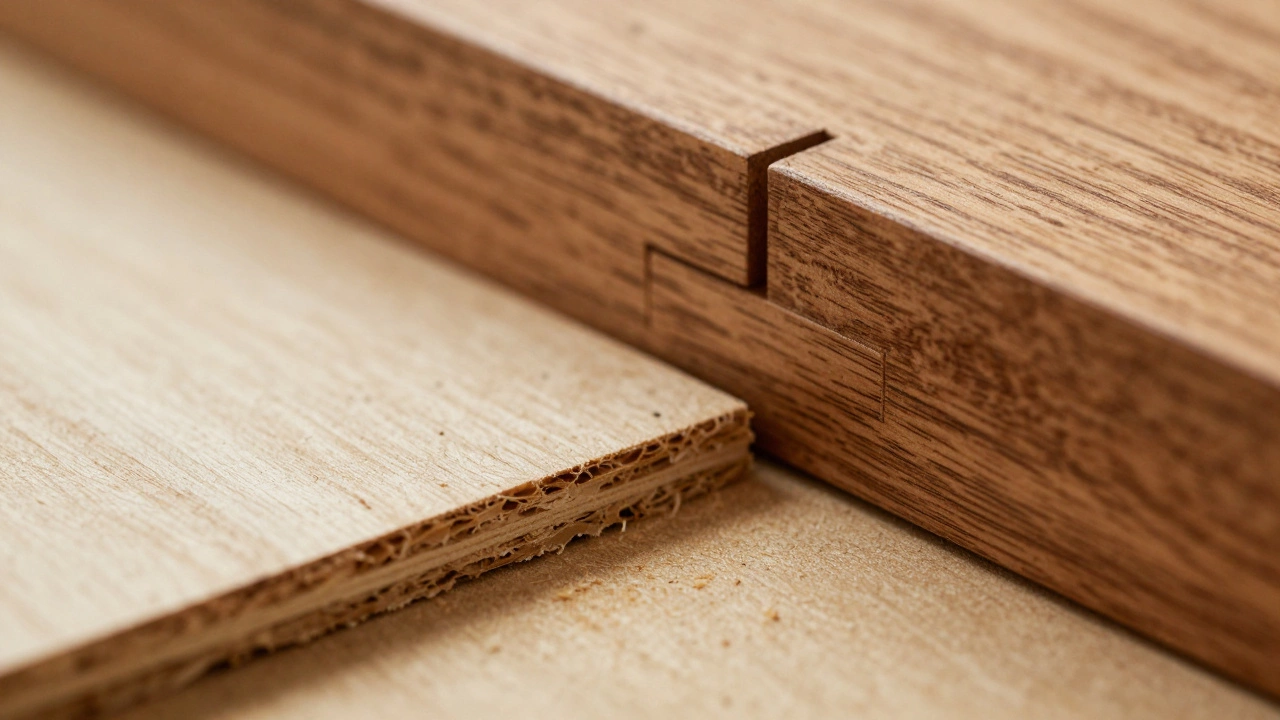
When you cross the $500 threshold, you are paying for craftsmanship, solid hardwoods, and longevity. A solid walnut bookshelf from a brand like CB2 or Restoration Hardware can easily cost $800 to $1,500. These pieces are investment furniture. They are built using joinery techniques like dovetails or mortise-and-tenon joints, which are far stronger than glue and nails.
Custom-built bookshelves take this further. If you have a niche wall, a floor-to-ceiling space, or specific architectural constraints, a local carpenter might charge $1,500 to $3,000+ for a tailored unit. The cost breaks down into lumber ($500-$1,000), labor ($1,000-$2,000), and finishing ($200-$500). However, custom shelves maximize your vertical space and add significant resale value to your home because they look built-in.
What Drives the Price? Key Factors to Consider
Understanding why one shelf costs twice as much as another helps you decide where to spend. Here are the main drivers:
- Material Type: Solid wood (oak, maple, cherry) is significantly more expensive than engineered wood (MDF, particleboard). Solid wood breathes, ages well, and can be refinished. Engineered wood cannot be sanded down deeply without exposing the core layers.
- Construction Method: Look for terms like "dovetail joints," "mortise and tenon," or "solid wood frame." These indicate higher labor costs but superior stability. Flat-pack furniture uses cam-lock mechanisms, which are fast to assemble but prone to loosening over time.
- Finish Quality: A hand-rubbed oil finish costs more than a factory-applied lacquer. High-quality finishes protect the wood from humidity changes and UV damage, preventing warping and fading.
- Brand Premium: Designer brands charge for their name and aesthetic curation. You can often find similar quality at lesser-known workshops or direct-from-manufacturer sites for 20-30% less.
- Size and Capacity: Obviously, larger units cost more. But consider weight capacity too. A shelf rated for 50 lbs per board is cheaper than one rated for 100 lbs, which requires thicker supports and better anchoring hardware.
Hidden Costs You Might Forget
The sticker price isn't the final number. When calculating your total budget, factor in these hidden expenses:
- Delivery Fees: Big-box stores often charge $50-$150 for white-glove delivery (bringing it inside and assembling it). Curbside drop-off might be free, but dragging a 100-lb box up stairs is not fun.
- Assembly Time: If you hire someone to assemble a complex flat-pack unit, expect to pay $50-$100. DIY assembly can take 2-4 hours for intricate designs.
- Anchoring Hardware: Safety standards require tall bookshelves to be anchored to the wall. While some kits include basic straps, you may need to buy proper toggle bolts or stud anchors separately, especially if renting.
- Maintenance: Solid wood needs occasional polishing or oiling. Veneer surfaces need careful cleaning to avoid peeling. Factor in the cost of maintenance products over the life of the piece.
Where to Buy: Retailer Breakdown
Your choice of retailer impacts both price and experience. Here’s a quick guide:
- Big Box Retailers (IKEA, Wayfair): Best for budget and mid-range options. Huge selection, frequent sales, but customer service can be hit-or-miss. Good for standard sizes.
- Specialty Furniture Stores (Pottery Barn, West Elm): Better quality control and design aesthetics. Prices are higher, but return policies are often more flexible. Good for matching existing decor.
- Local Craftsmen / Etsy: Ideal for custom sizes and unique styles. You support local business and get personalized service. Lead times can be 4-8 weeks.
- Secondhand Markets (Facebook Marketplace, Thrift Stores): You can find solid wood vintage bookshelves for $50-$150. Requires effort to clean and repair, but offers the best value for solid wood.
Pro Tips for Getting the Best Value
Don’t just buy the first thing that fits your wall. Use these strategies to stretch your dollar:
- Buy Modular: Instead of one huge expensive unit, buy two smaller, affordable ones and place them side-by-side. This often costs less and allows you to reconfigure later if you move.
- Check Clearance Sections: Furniture stores clear out discontinued models regularly. You can often find 30-50% off last season’s colors or finishes.
- Consider Used Solid Wood: A scratched solid oak bookshelf from the 1980s is infinitely better than a new particleboard one. Sand it down, stain it, and you have a premium piece for a fraction of the cost.
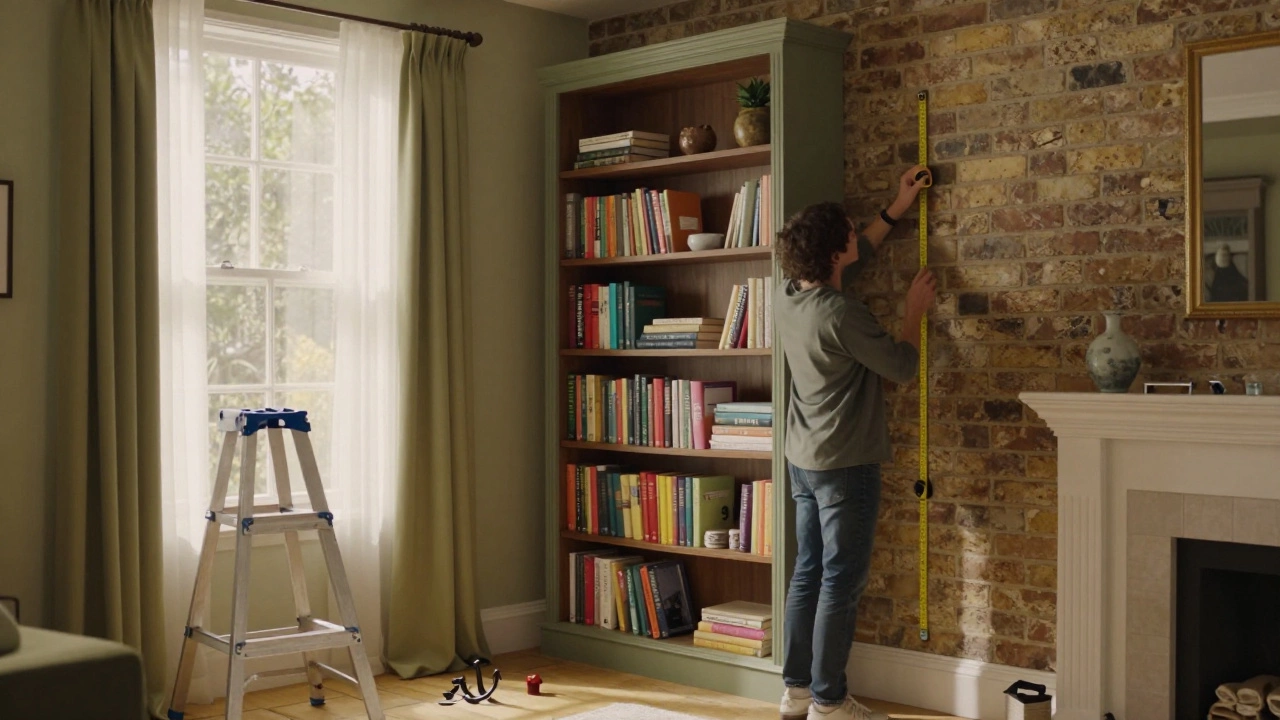
- Measure Twice: Buying the wrong size means paying for returns or shipping replacements. Measure your space width, height, and depth, including doorways and stairwells for delivery access.
- Read Reviews for Sagging: Search reviews specifically for words like "sag," "warp," or "fall apart." This tells you about real-world durability, not just initial appearance.
Frequently Asked Questions
Is it worth spending more on a solid wood bookshelf?
Yes, if you plan to keep the furniture for more than five years. Solid wood is more durable, resistant to warping, and can be refinished if damaged. Particleboard shelves tend to sag and break down faster, especially in humid climates. For long-term value and environmental sustainability, solid wood is the better investment.
How much does a custom floor-to-ceiling bookshelf cost?
Custom floor-to-ceiling bookshelves typically range from $1,500 to $3,000 or more, depending on the wood type, complexity of the design, and local labor rates. Simple designs with pine or oak are on the lower end, while intricate designs with walnut or mahogany and built-in lighting can exceed $5,000.
Are IKEA bookshelves sturdy enough for heavy books?
Standard IKEA bookshelves like the BILLY are designed for moderate loads. They can hold several rows of paperbacks and light hardcovers, but heavy encyclopedias or dense textbooks may cause the shelves to sag over time. To improve sturdiness, ensure all shelves are installed (even if unused) to distribute weight, and anchor the unit securely to the wall.
Can I build my own bookshelves to save money?
Yes, DIY bookshelves can be very cost-effective. Using plywood and simple hardware, you can build a sturdy unit for $100-$200 in materials. However, this requires tools (saw, drill, level) and basic carpentry skills. If you lack these, the time and potential mistakes might make buying a pre-made unit more economical.
What is the best bookshelf material for a damp climate like Auckland?
In humid environments, solid hardwoods like teak, oak, or treated pine perform best because they resist moisture absorption better than particleboard or MDF, which can swell and disintegrate. Ensure the finish is sealed properly, and avoid placing shelves directly against exterior walls without adequate ventilation.
Do bookshelves increase home resale value?
Built-in or high-quality custom bookshelves can enhance a home's appeal, particularly for buyers who value study spaces or libraries. While they rarely offer a direct dollar-for-dollar return, they contribute to the overall perception of quality and craftsmanship in the home, potentially speeding up the sale process.