How Long Should a Couch Last? Realistic Lifespans by Type
Couch Lifespan Estimator
Select the characteristics of your couch to see how long you can realistically expect it to last.
Estimated Lifespan Analysis
Key Factors Affecting This Estimate:
You just bought a new couch is a piece of living room furniture designed for seating multiple people, typically featuring a frame, cushions, and upholstery. It’s the centerpiece of your home. But how long should it actually last? If you’re paying $2,000 or more, you expect it to stick around for a decade, right? Not always. The answer depends heavily on what you bought, how you use it, and whether you know how to keep it in good shape.
Most mid-range sofas last between 7 and 15 years. Cheap ones might fall apart in 3 to 5. High-end pieces can go 20+ years if treated well. Knowing where your couch fits helps you decide when to repair it and when to finally call it quits.
The Big Three Factors That Determine Sofa Lifespan
Not all couches are created equal. Three things matter most: the frame, the foam, and the fabric. If one fails, the whole thing suffers.
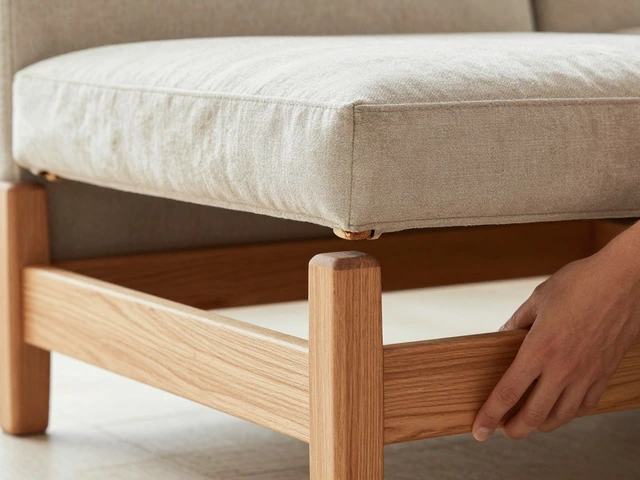
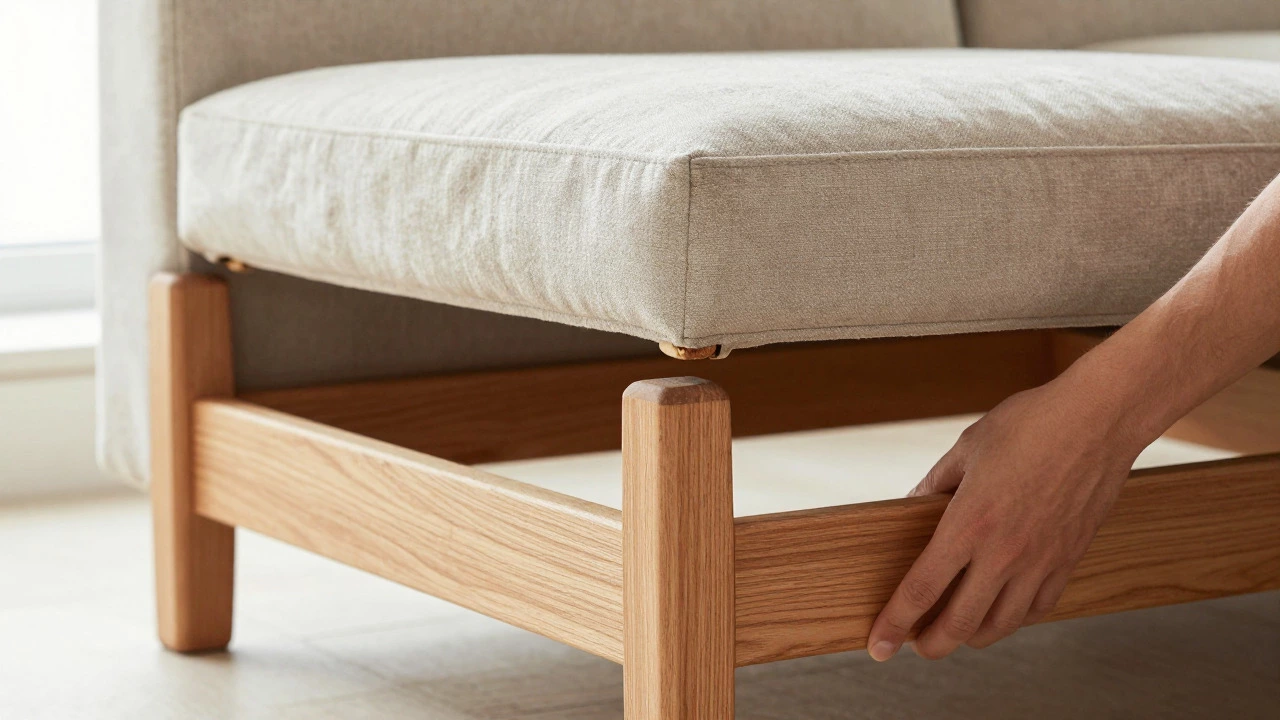
- Frame Material: Kiln-dried hardwood (like oak, maple, or beech) lasts decades. Particle board or softwoods like pine crack under pressure. Always check the bottom. If you see staples instead of corner blocks or dowels, it’s a budget build that won’t hold up over time.
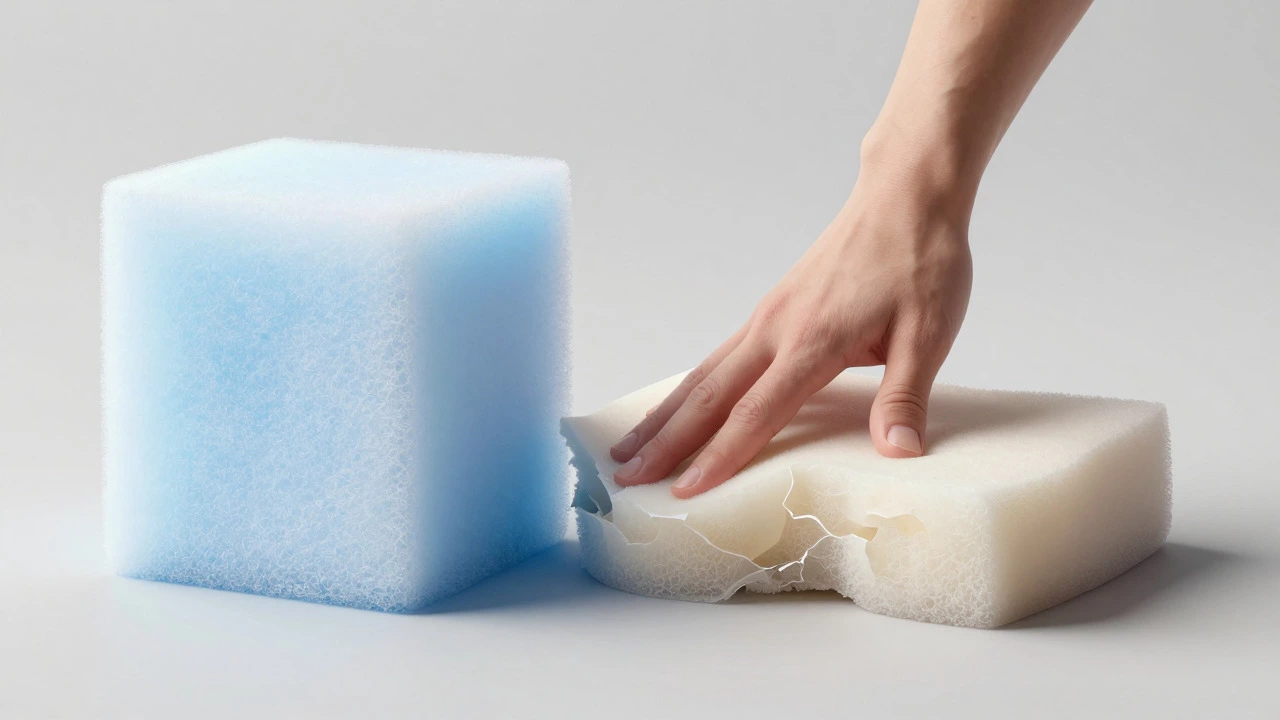
- Foam Density: This is the silent killer. Low-density foam (less than 1.8 lbs/cubic foot) flattens out within 2-3 years. High-resilience foam (1.8-2.5 lbs/cubic fiber) maintains its shape for 10+ years. You can test this by pressing down hard; if it springs back immediately, it’s decent quality.
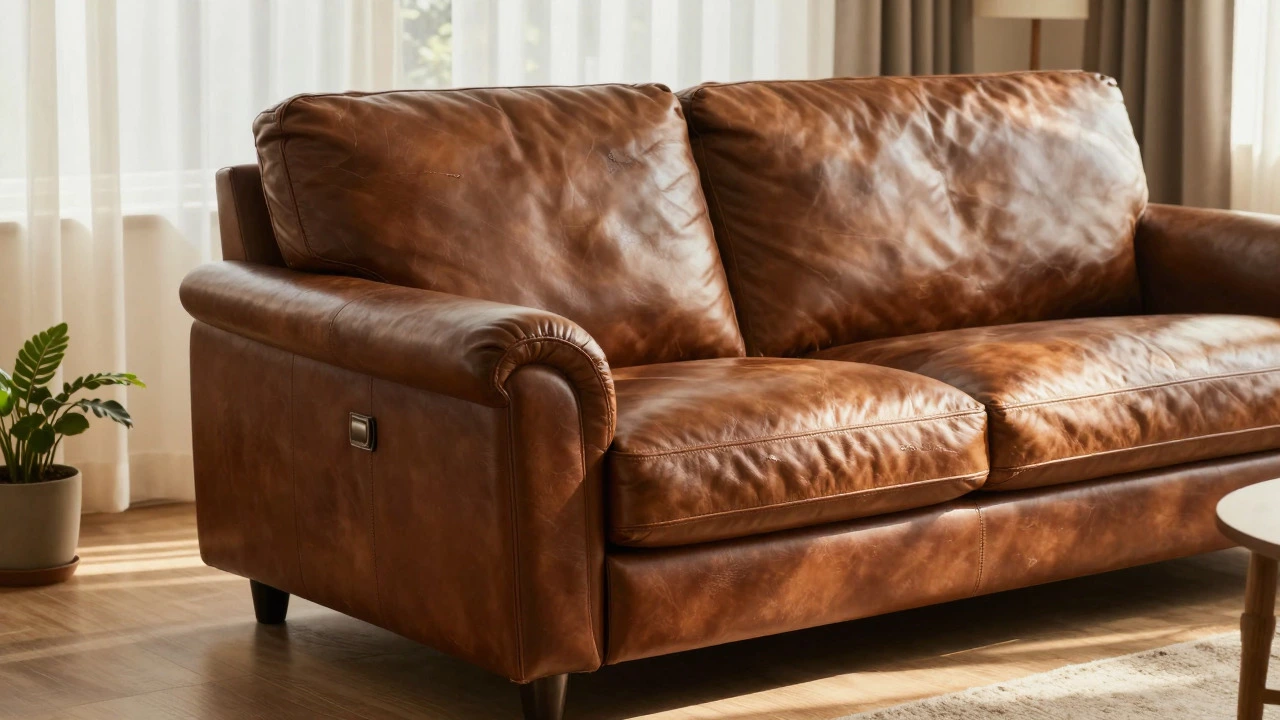
- Upholstery Fabric: Leather ages gracefully but needs conditioning. Microfiber resists stains but pills easily. Linen looks great but wrinkles and tears faster. The fabric’s rub count (Martindale rating) tells you how much wear it can take. For heavy-use families, aim for 40,000+ double rubs.
Typical Lifespans by Couch Type
Your specific type of sofa sets the baseline. Here’s what you can realistically expect based on average market data and user reports:
| Sofa Type | Typical Lifespan | Common Failure Point |
|---|---|---|
| Budget Fabric Sofa | 3-5 years | Frame squeaks, foam compression |
| Mid-Range Upholstered | 7-12 years | Cushion sagging, armrest wear |
| High-End Leather | 15-25+ years | Surface scratches, stitching fraying |
| Sectional with Chaise | 5-10 years | Corner joints, chaise base instability |
| Convertible Sofa Bed | 4-7 years | Mechanism failure, spring collapse |
Notice how convertible sofas have the shortest life? That’s because the moving parts stress the frame every single time you open it. If you buy a sleeper sofa, assume you’re buying a temporary solution unless it’s a premium brand with a solid steel mechanism.
Signs Your Couch Is Done (And Signs It Isn’t)
Don’t wait until the couch collapses. Watch for these red flags that indicate the end is near:
- Permanent Sagging: If you sit in the same spot daily and the cushion doesn’t bounce back after an hour, the foam has lost its integrity. No amount of fluffing will fix compressed foam.
- Loud Squeaking or Cracking: A small creak is normal. Loud cracking when you stand up means the wood joints are failing. This is a structural issue that often leads to total collapse.
- Visible Frame Gaps: Look under the seat cushions. If you can see daylight through the gap between the frame and the upholstery, the internal structure is shifting.
- Stains That Won’t Come Out: While not a structural failure, deep-set stains make the couch feel old. If cleaning costs more than half the price of a replacement, it’s time to move on.
On the flip side, if the frame is solid and only the fabric is worn, you might extend its life significantly with reupholstering. This usually costs 30-50% less than buying a new high-quality frame.
How to Extend Your Couch’s Life
You can add several years to any sofa with simple habits. Think of it as preventive maintenance for your biggest furniture investment.
- Rotate Cushions Monthly: Flip and rotate seat and back cushions to distribute weight evenly. This prevents one side from wearing out faster than the other.
- Use a Protector: Invisible guards like Slipcover protectors save fabric from pet claws and food spills. They’re cheap insurance against expensive repairs.
- Clean Regularly: Vacuum crevices weekly to prevent dust buildup that eats away at fibers. Spot clean spills immediately-don’t let them set.
- Avoid Direct Sunlight: UV rays fade colors and weaken fabric fibers. Use curtains or blinds during peak sun hours, especially in rooms facing west or south.
- Check Tightness Annually: If your couch has exposed screws or bolts, give them a quick tightening once a year. Loose hardware causes wobbling, which stresses the frame.
Leather owners should condition their couches twice a year. Dry leather cracks, and cracks lead to peeling. A good conditioner keeps it supple and looking rich for decades.
When to Repair vs. When to Replace
This is the million-dollar question. Here’s a simple rule of thumb: If the repair cost is more than 50% of the value of a comparable new couch, replace it. If it’s less, repair it.
For example, if your $1,500 couch needs a $600 frame repair, it’s probably cheaper to buy a new mid-range model. But if your $3,000 leather sofa needs $400 in reupholstering, that’s a smart investment because the frame is likely still solid.
Also consider sentimental value. Sometimes a couch isn’t just furniture-it’s part of your family’s history. In those cases, spend whatever it takes to restore it. But from a pure financial standpoint, don’t pour money into a failing frame.
Frequently Asked Questions
What is the average lifespan of a sofa?
The average sofa lasts between 7 and 15 years. Budget models tend to last 3-5 years, while high-end pieces with solid wood frames and high-density foam can last 20+ years with proper care.
How do I know if my couch frame is broken?
Lift the seat cushions and look at the frame. If you hear loud cracking noises when sitting or standing, or if the frame wobbles significantly, it’s likely broken. Check for loose corner blocks or splintered wood. If the frame shifts when you push on it, it needs professional repair.
Is it worth reupholstering an old couch?
Yes, if the frame is solid and the foam is still supportive. Reupholstering usually costs 30-50% less than buying a new high-quality couch. However, if the foam is flattened or the frame is weak, reupholstering is a waste of money because the comfort issues will remain.
Do pets shorten the life of a couch?
Pets can significantly shorten a couch's life if they scratch or chew the fabric. Dogs and cats often target armrests and corners. Using protective covers or choosing durable fabrics like microfiber or leather can help mitigate damage. Regular grooming also reduces hair buildup that weakens fibers.
What materials last the longest in a sofa?
Kiln-dried hardwood frames (oak, maple, beech) and high-density polyurethane foam (1.8+ lbs/cubic foot) last the longest. For fabric, leather and performance microfibers are the most durable options. Avoid particle board frames and low-density foam if longevity is your priority.