Can Foundation Repair Cause More Damage? Risks & Solutions
Foundation Repair Risk Estimator
Select your scenario to estimate the likelihood of secondary issues like plumbing breaks or new cracks.
Your Scenario
Risk Assessment
--%
Estimated Secondary Damage Risk
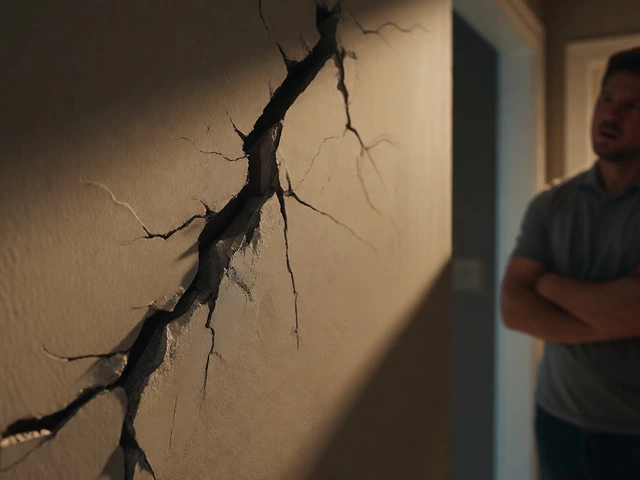
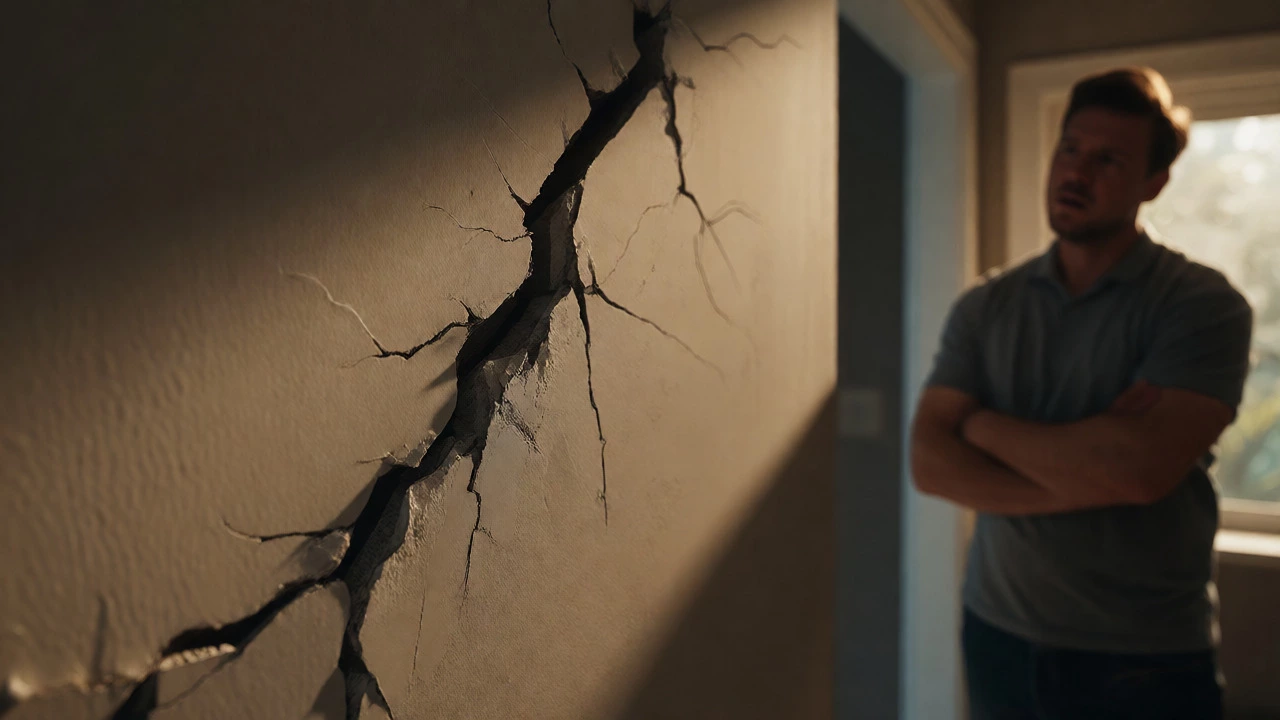
You’re staring at a crack in your wall that looks like a lightning bolt. You call a contractor, they quote you for foundation repair, and you sign the check. But then a nagging thought creeps in: what if fixing it actually breaks something else? It’s a valid fear. Foundation work is invasive. It involves digging, lifting, and shifting the very ground your house sits on. If done poorly, or even if done correctly but with unexpected consequences, you can trade one set of problems for another.
This isn’t just about bad contractors cutting corners. Sometimes, the physics of soil and structure simply don’t cooperate. In Auckland, where we deal with reactive clay soils and high water tables, the risk is real. So, can foundation repair cause more damage? The short answer is yes. But it’s rarely catastrophic if you know what to look for and how to mitigate it. Let’s break down exactly what goes wrong, why it happens, and how you can protect your home during the process.
The Myth of "Settling" vs. Active Damage
First, let’s clear up a huge misconception. Many homeowners think their house is "settling." They hear this from old-timers or even some salespeople who want to avoid a big job. But houses don’t just settle once and stop. They move. Soil expands when wet and shrinks when dry. This movement stresses the foundation. When you initiate repair, you are interrupting this natural cycle. You are forcing the structure into a new equilibrium.
If the repair doesn’t account for future soil movement, you might lift the house now, only to have it sink again later. Or worse, you might lift it unevenly. This creates stress points. Cracks that were dormant suddenly widen. Doors that used to stick start sticking harder. The repair itself becomes the catalyst for visible cosmetic damage, even if the structural integrity is technically improved. This is often called "rebound," where materials try to return to their original shape after being forced out of alignment.
Common Ways Repairs Can Backfire
It’s not always a disaster. Often, it’s a series of small annoyances that add up. Here are the most frequent ways foundation repair causes secondary issues:
- Plumbing Line Breaks: This is the big one. Your sewer and water lines run through or under the foundation slab. When you jack up a section of the house, those pipes bend. Old cast iron pipes are brittle. They snap. Suddenly, you have a sewage leak under your kitchen floor. This is especially common in older homes where pipes weren’t designed for flexibility.
- Door and Window Misalignment: If the lift isn’t perfectly level, door frames warp. You’ll find doors that no longer close properly. Windows might jam. This is frustrating but usually fixable by adjusting hinges or trimming frames. However, if the shift is significant, you might need new frames.
- New Wall Cracks: Paradoxically, fixing an old crack can create new ones. As the foundation shifts, drywall seams separate. Plaster cracks along stress lines. These are often hairline fractures initially, but they signal that the structure is still moving.
- Tile and Flooring Damage: Rigid flooring materials like ceramic tile or hardwood hate movement. If the subfloor shifts even slightly, tiles pop up or crack. Hardwood floors might gap or buckle. This is purely cosmetic but expensive to fix.
Why Soil Conditions Matter More Than the Method
In New Zealand, particularly around Auckland and Hamilton, soil type dictates everything. We have extensive deposits of volcanic ash and reactive clays. These soils swell significantly when saturated. If you perform underpinning without proper drainage improvements, you haven’t solved the root cause. You’ve just patched the symptom.
Consider a scenario where a homeowner installs steel piers to stabilize a sinking corner. The piers hold firm. But because the surrounding soil remains wet and expansive, the adjacent areas continue to heave upward. Now, instead of a sagging floor, you have a hump in the middle of the living room. The repair worked, but the context failed. Proper assessment requires understanding the hydrostatic pressure against the foundation walls. Ignoring this leads to "differential settlement," where parts of the house move at different rates.
Choosing the Right Method Reduces Risk
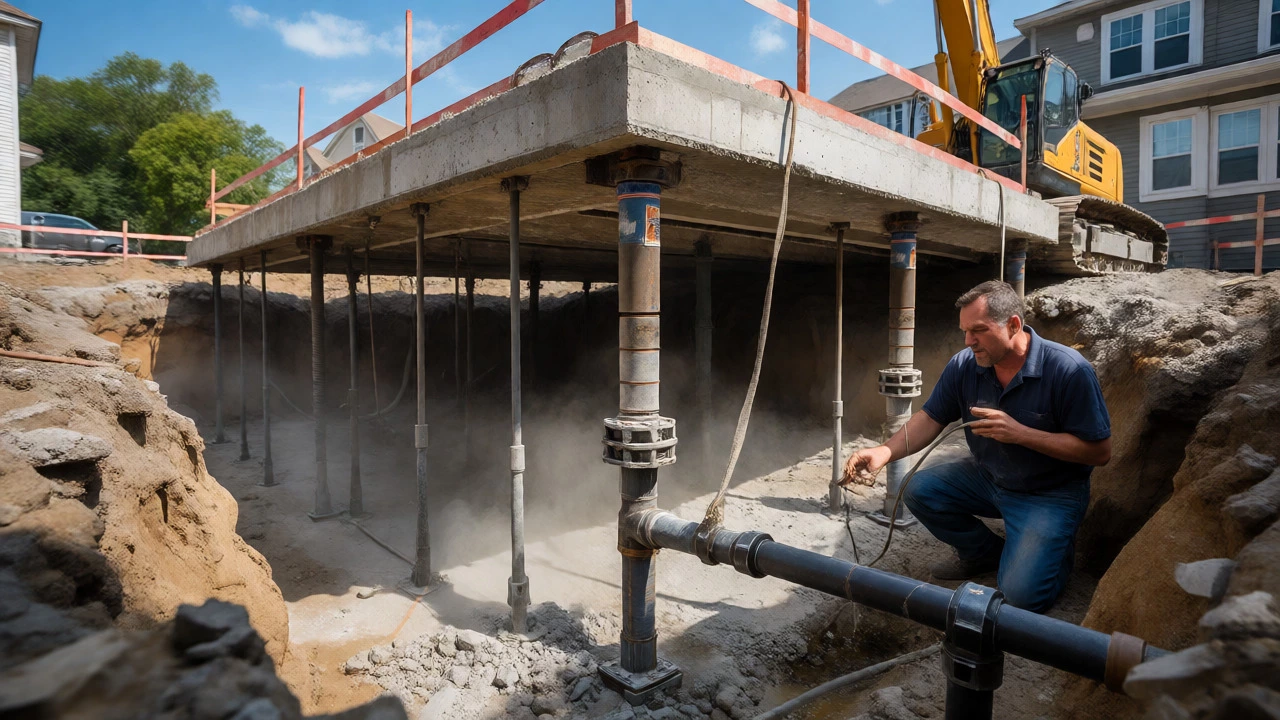
Not all repairs are created equal. Some methods are less invasive than others. Choosing the right one for your specific situation minimizes collateral damage.
| Method | Best For | Risk of Secondary Damage | Disruption Level |
|---|---|---|---|
| Steel Piers | Deep foundations, severe settling | Medium (requires excavation) | High |
| Concrete Piers | Moderate settling, stable soil | Low-Medium | Medium |
| Polyurethane Foam Injection | Sinkholes, void filling, minor lifts | Very Low (minimal excavation) | Low |
| Mudjacking | Slab leveling, garages, driveways | Low (but messy) | Medium |
Polyurethane foam injection has gained popularity in recent years because it’s non-invasive. Small holes are drilled, foam expands, and lifts the slab. There’s almost no risk of breaking plumbing because you aren’t digging trenches. However, it’s not suitable for every structural issue. Steel piers offer superior long-term stability but carry higher risks due to the heavy machinery and excavation involved. You have to weigh the permanence of the fix against the immediate disruption.
The Importance of Pre-Repair Inspections
A reputable engineer will tell you that inspection is half the battle. Before any shovel hits the dirt, you need a comprehensive survey. This includes checking the condition of existing utilities. If your sewer line is already corroded, jacking up the house is a gamble. It’s better to replace the pipe first or use flexible couplings.
Ask your contractor: "What is the plan if a pipe breaks?" Do they have a plumber on standby? Is there insurance coverage for utility damage? A good contract should specify liability for incidental damage. Without this, you’re exposed. Also, insist on monitoring during the lift. Modern systems use laser levels and sensors to track movement in real-time. This prevents over-lifting, which is a common cause of rebound cracking.
Post-Repair Monitoring: Don't Walk Away
Once the crew leaves, your job isn’t done. Foundations take time to settle into their new position. Monitor your home for six to twelve months. Keep a log of any new cracks. Note if doors become harder to open. If you see rapid changes, contact your contractor immediately. Most warranties cover re-adjustment within the first year.
Be patient. Some minor cosmetic issues will resolve themselves as the building dries out and stabilizes. However, persistent structural signs-like widening cracks wider than 1/4 inch-need professional review. Don’t let a contractor dismiss serious symptoms as "normal settling." If the movement continues, the underlying issue wasn’t fully addressed.
Real-World Example: The Auckland Villa
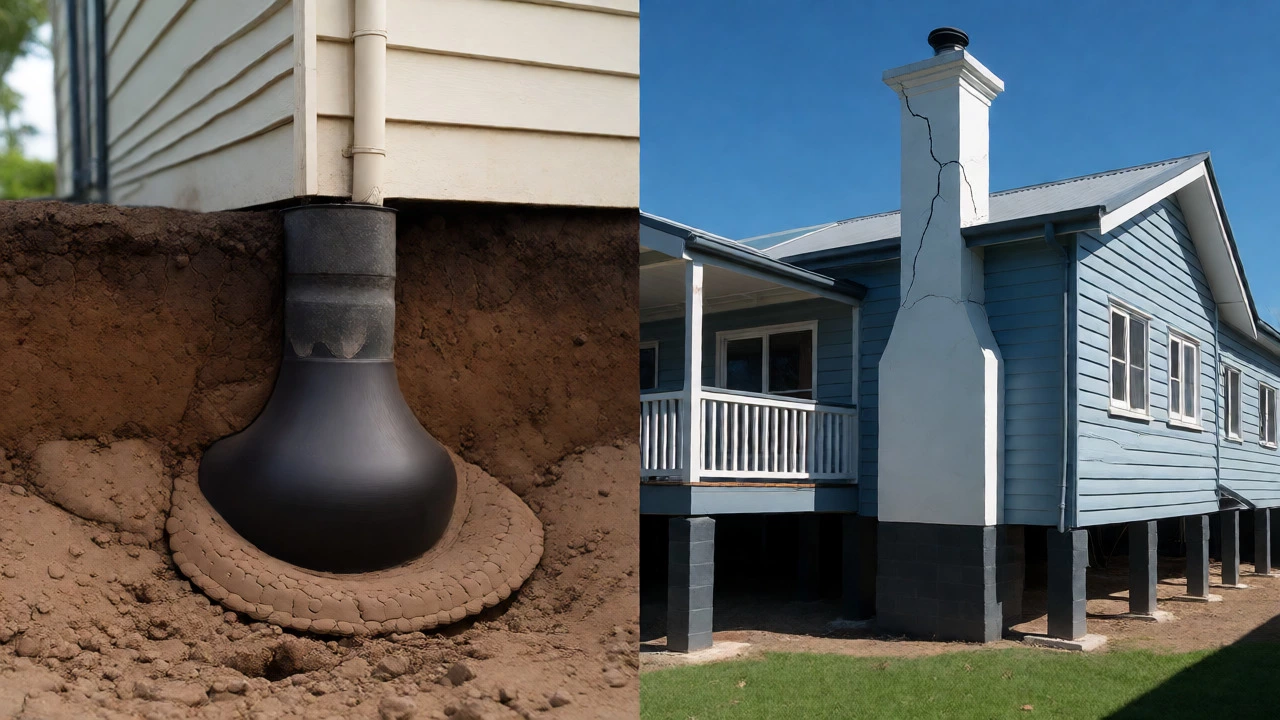
Take a classic Auckland villa on a hillside. The owner noticed a slope in the rear deck. A contractor recommended helical piers. During installation, the vibration caused a hairline crack in the main chimney stack. Not catastrophic, but concerning. Because the contractor had pre-inspected the masonry and noted its fragility, they adjusted the vibration settings and reinforced the chimney temporarily. The result? The deck was leveled, the chimney remained intact, and the homeowner avoided a $5,000 repair bill. This shows that communication and preparation prevent damage.
Frequently Asked Questions
Is it normal to have new cracks after foundation repair?
Yes, minor cosmetic cracks are common. As the house adjusts to its new level, drywall and plaster may develop small fissures. These are usually superficial. However, large or widening cracks indicate ongoing movement and should be inspected.
How long does it take for a house to settle after foundation repair?
Most initial stabilization occurs within a few weeks. However, full seasonal adjustment can take up to a year. You should monitor your home closely during the first rainy season after repair, as soil moisture changes can affect stability.
Who pays for broken pipes during foundation repair?
This depends on your contract. Typically, the contractor is liable for damage caused by their negligence or equipment. However, if pipes fail due to age or pre-existing conditions, the homeowner may bear the cost. Always clarify liability clauses before signing.
Can foundation repair fix all cracks in my house?
No. Foundation repair addresses structural movement. Cosmetic cracks in brickwork or drywall may remain if they were caused by thermal expansion or poor construction rather than foundation failure. Expect to do additional cosmetic patching after the structural work is complete.
Is polyurethane foam safer than traditional piers?
For certain applications, yes. Foam injection involves minimal excavation, reducing the risk of damaging underground utilities. However, it may not provide the same long-term load-bearing capacity as steel piers for heavily loaded structures. Consult a structural engineer to determine the best fit for your soil and building weight.