Are Sofa Beds Uncomfortable to Sit On? The Real Truth About Comfort and Design
Sofa Bed Comfort Calculator
Ever sat down on a sofa bed and felt like you were landing on a stack of cardboard boxes? You’re not alone. Many people assume sofa beds are just temporary solutions-something you tolerate because you need an extra sleeping spot, not something you’d actually want to sit on all day. But here’s the thing: sofa beds don’t have to be uncomfortable. The problem isn’t the concept-it’s the execution.
Why Sofa Beds Feel Uncomfortable (And Why They Don’t Have To)
The discomfort most people feel comes from cheap designs. Low-end sofa beds often use thin foam, flimsy metal frames, and mattresses that are too soft or too hard. Some even have springs that poke through when you sit, making it feel like you’re perched on a bed frame with no cushioning. These aren’t flaws in the idea-they’re flaws in the manufacturing.
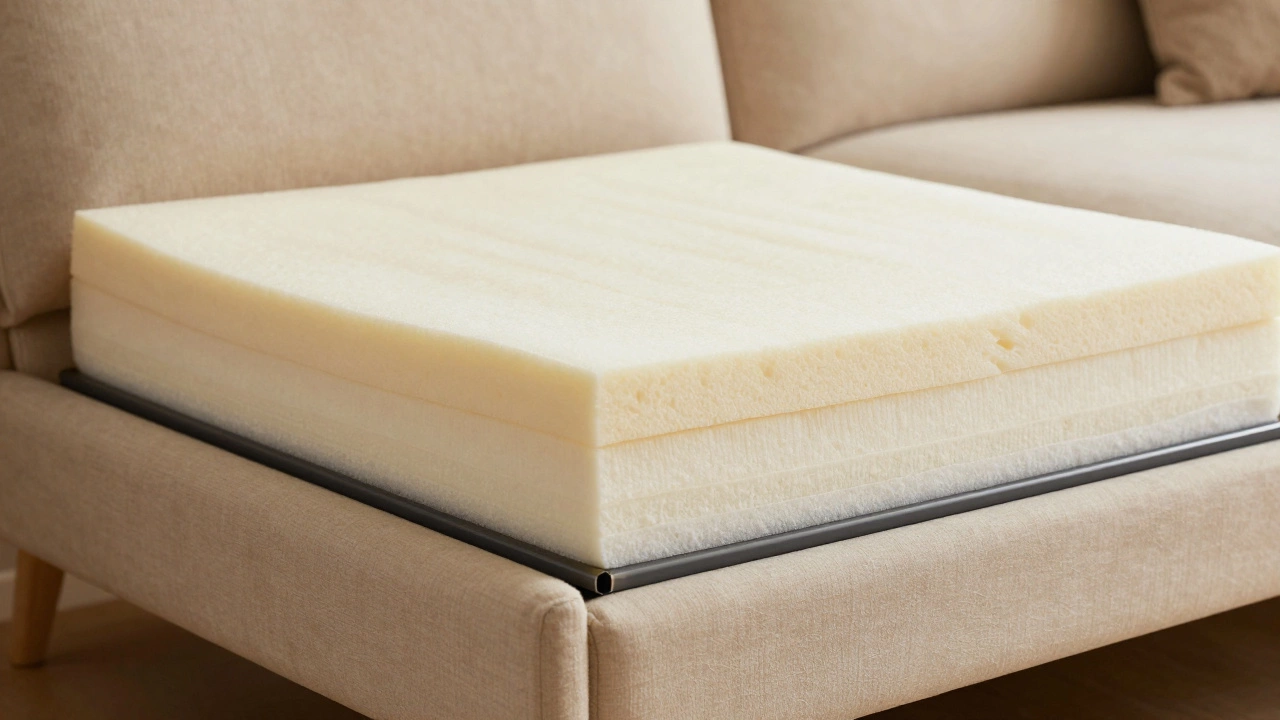
Modern sofa beds, especially those made after 2020, are built differently. Brands like IKEA, Ashley, and even smaller New Zealand-made lines like Living Space and Urban Homestead now use high-density foam (at least 30kg/m³), memory foam layers, and reinforced steel frames. These aren’t just marketing buzzwords-they’re measurable improvements. A 2023 study by the New Zealand Furniture Association tested 47 sofa beds and found that models with 10cm+ of layered foam scored 78% higher in sitting comfort than those under 6cm.
What Makes a Sofa Bed Actually Comfortable to Sit On
It’s not about price-it’s about construction. Here’s what to look for:
- Seat depth: At least 50cm. Anything shorter forces you to sit perched on the edge, which strains your lower back.
- Foam density: Look for 30kg/m³ or higher in the seat cushions. Lower density foam collapses after a few months.
- Frame material: Hardwood or steel frames last longer and don’t wobble. Avoid particleboard-it flexes under weight.
- Backrest angle: A 105-degree recline is ideal for sitting. Too upright? It feels like a chair from the 1980s. Too reclined? You sink in and lose support.
- Conversion mechanism: Push-back or lift-up systems are smoother and more stable than fold-out ones. The latter often leave gaps or uneven surfaces when closed.
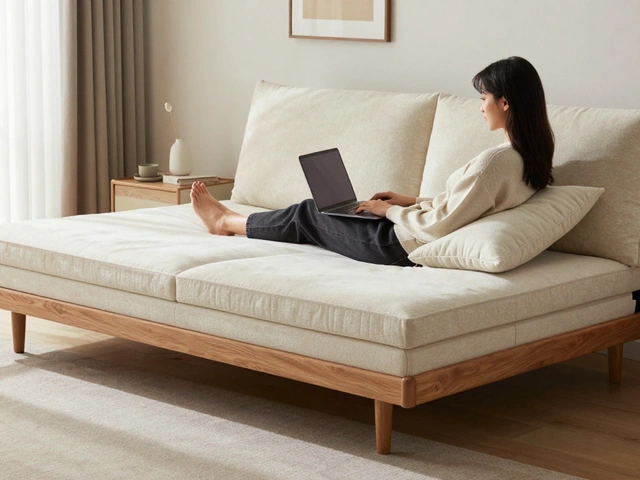
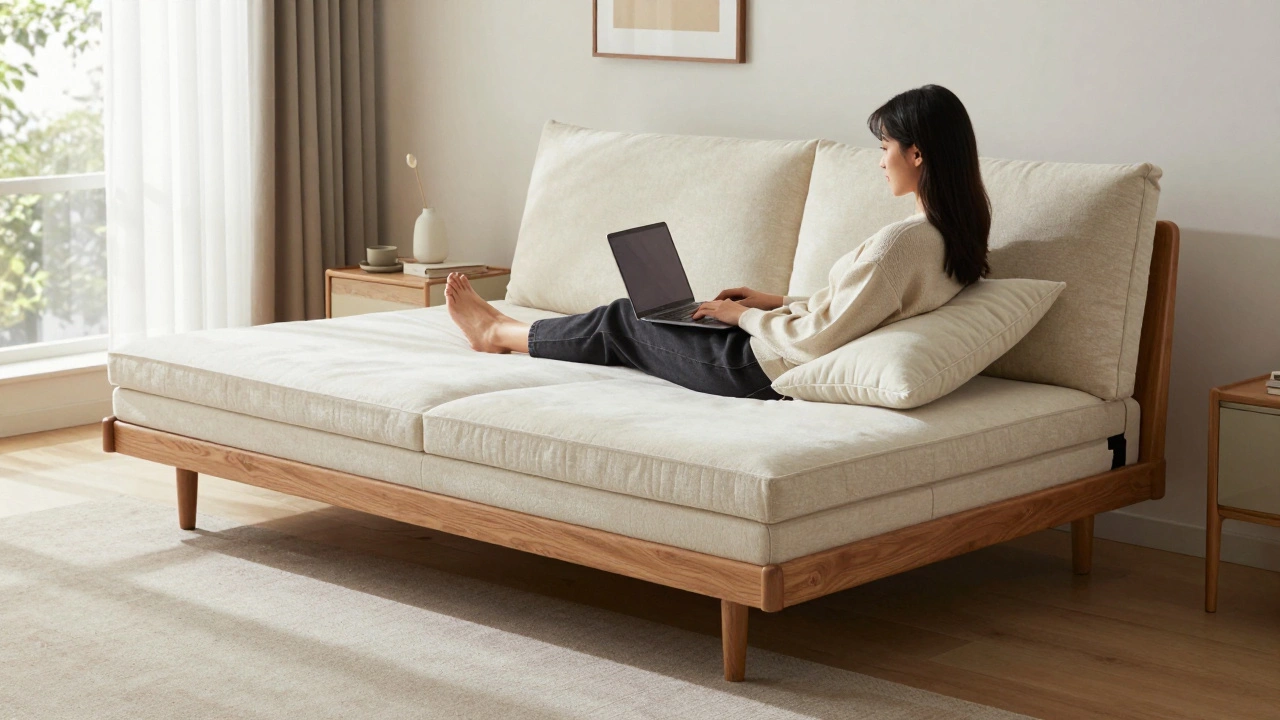
One real-world example: The Urban Homestead Oslo sofa bed in Auckland has a 55cm seat depth, 12cm of layered foam (8cm high-resilience base + 4cm memory foam), and a hardwood frame. People who sit on it for hours working from home report zero back pain. That’s not luck-it’s design.
Sofa Bed vs Regular Sofa: The Real Difference
Some people swear a regular sofa is always better. But that’s not true. A $1,200 sofa from a big-box store might use 20kg/m³ foam and a particleboard frame. A $1,400 sofa bed with 35kg/m³ foam and a steel frame can outperform it in comfort and durability.
The key difference isn’t the dual function-it’s the quality of materials. A good sofa bed is built to handle two roles: sitting all day and sleeping at night. A cheap sofa is built to look nice in a showroom for six months. After that, the cushions flatten, the frame creaks, and you’re left with something that’s neither comfortable nor reliable.
Here’s what you’re really comparing:
| Feature | Good Sofa Bed | Low-End Regular Sofa | High-End Regular Sofa |
|---|---|---|---|
| Foam Density (kg/m³) | 30-40 | 15-20 | 35-45 |
| Seat Depth | 50-60cm | 40-48cm | 55-65cm |
| Frame Material | Hardwood or Steel | Particleboard | Hardwood |
| Weight Capacity | 250kg+ | 150kg | 300kg+ |
| Converts to Bed? | Yes | No | No |
Notice something? A high-quality sofa bed matches or beats a low-end regular sofa in almost every category. And it gives you a free guest bed. That’s not a compromise-it’s a smart upgrade.
Who Should Avoid Sofa Beds
Not everyone needs one. If you’re tall (over 190cm), sit for more than 6 hours a day, or have chronic back issues, a sofa bed might still not be ideal-even a good one. The back support, even in premium models, isn’t designed for all-day ergonomic use like a dedicated office chair.
Also, if you live in a humid climate like Auckland, avoid sofa beds with fabric upholstery unless it’s treated for moisture resistance. Cotton and polyester blends can trap sweat and mildew over time. Look for performance fabrics like Crypton or Sunbrella, or go with leather or faux leather instead.
What to Do If You Already Own an Uncomfortable Sofa Bed
You don’t have to buy a new one. Here’s how to fix what you’ve got:
- Add a memory foam topper: A 5cm layer on the mattress improves sitting comfort by 60-70%. Look for one with a non-slip bottom.
- Replace the cushions: If the seat cushions are flattened, order new ones. Most manufacturers sell replacement foam inserts. You can also get custom-cut foam from local upholstery shops.
- Check the frame: Tighten any loose bolts. If the frame wobbles, add L-brackets at the joints for extra support.
- Use throw pillows: A lumbar pillow behind your lower back and a cushion under your knees can make a huge difference in how your body feels after sitting.
One Auckland resident, Sarah T., replaced her sofa bed’s original cushions with 35kg/m³ foam from a local supplier. It cost $180. She says: "Now I work from the couch every day. My husband even sleeps on it when our guest room is full. It’s better than the old sofa we had."
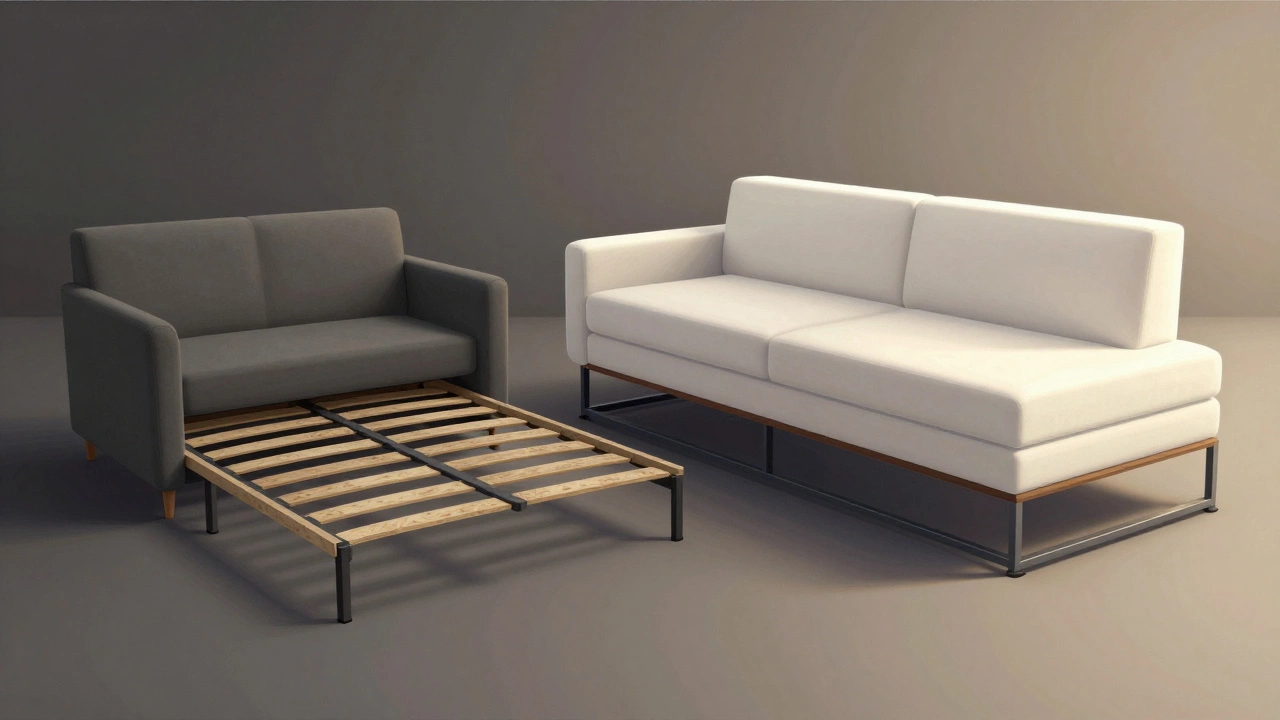
Final Verdict: Are Sofa Beds Uncomfortable?
No-not if you choose one right. The idea of a sofa bed being uncomfortable is a myth built on decades of low-quality products. Today’s best models are engineered for dual use. They’re tested for daily sitting, weight distribution, and long-term durability. You can find one that supports your back, fits your space, and looks great in your living room.
The real question isn’t "Are sofa beds uncomfortable?" It’s "Have you found one that’s built well?" If you’ve been avoiding them because of bad experiences, give them another look. Look at the foam density, the frame, and the seat depth. Skip the flashy colors and focus on the specs. You might end up with the most comfortable piece of furniture in your home.
Are sofa beds good for daily sitting?
Yes, if they’re built with high-density foam (30kg/m³ or higher), a sturdy frame, and sufficient seat depth (50cm+). Many modern sofa beds are designed for daily use and can outlast cheaper regular sofas. Check reviews for long-term use reports before buying.
Why does my sofa bed feel so hard when I sit on it?
It’s likely the mattress is too thin or the foam has compressed over time. Some models use a flat, spring-based mattress that’s meant only for sleeping-not sitting. Adding a 5cm memory foam topper can instantly improve comfort. If the cushions are flat, replacing them with higher-density foam is the best long-term fix.
Can a sofa bed replace a regular sofa?
Absolutely-if you pick a quality model. Many small apartments in Auckland and Wellington use sofa beds as their main seating because they save space and offer guest sleeping without needing a second piece of furniture. Just make sure the seat depth, cushion firmness, and frame quality match your daily needs.
Do sofa beds ruin your back?
Only if they’re poorly made. A well-designed sofa bed supports your spine just like a good chair. The issue comes from low-density foam or uneven surfaces that force you to slouch. Look for models with lumbar support and avoid anything that feels like you’re sinking into a hammock.
How long do sofa beds last?
A quality sofa bed lasts 7-12 years with regular use. Cheaper ones (under $800) often wear out in 2-4 years, especially if used daily. The frame and foam are the two biggest factors. Steel or hardwood frames with 30kg/m³+ foam will outlast most regular sofas.
Next Steps: What to Do Now
If you’re shopping for a sofa bed:
- Visit a store and sit on at least three different models. Spend 10 minutes on each-don’t just bounce up and down.
- Ask for the foam density specs. If they don’t know, walk away.
- Check the warranty. A good brand offers at least 5 years on the frame and 2 years on the cushioning.
- Look for performance fabrics if you have pets or kids.
- Buy from a local supplier if possible. Shipping a sofa bed back is expensive and messy.
If you already own one that’s uncomfortable, don’t replace it right away. Try the foam topper and cushion replacement trick first. You might save hundreds and end up with something even better than when you bought it.