Are New Builds Durable? The Truth About Modern Construction Quality
New Build Durability & Risk Calculator
Select the features present in your potential new build to estimate its long-term durability and safety profile.
Durability Assessment
Enter Details
Select construction features to see how your new build compares to older homes in terms of longevity and resilience.
Key Insights:
- Start by selecting framing and foundation types.
There is a persistent myth that houses built fifty or sixty years ago were made with real craftsmanship, while today's homes are essentially cardboard boxes held together by drywall and hope. You hear it from older relatives, read it on forums, and sometimes even see it whispered in real estate offices. But does the data support this nostalgia, or is it just romanticizing the past? If you are standing in a model home or looking at floor plans for a new build, which refers to a residential property constructed recently, typically within the last five years, often featuring modern energy standards and contemporary design layouts, you need to know if your investment will stand the test of time.
The short answer is yes, new builds are durable, but they are durable in different ways than older homes. They are engineered for efficiency, safety, and longevity against specific modern threats like extreme weather and energy costs. However, they do come with a unique set of risks, primarily related to "settling" and builder shortcuts. Understanding the difference between a defect and a design choice is key to buying with confidence.
Materials Have Evolved, Not Degraded
To understand durability, we have to look at what the house is actually made of. In the mid-20th century, builders used solid lumber, heavy masonry, and lead-based paints. Today, we use engineered wood products, advanced insulation, and synthetic siding. Some people view these changes as a downgrade, but engineers see them as an upgrade in consistency and performance.
Consider the framing. Older homes relied on dimensional lumber-actual trees cut into planks. These varied wildly in strength and straightness. Modern homes often use Engineered Lumber, such as Laminated Veneer Lumber (LVL) or I-joists, which are manufactured by bonding layers of wood strands or veneers under high pressure to create beams with uniform strength and resistance to warping. This material is stronger than natural timber and less likely to twist over decades. It allows for wider open floor plans without sagging ceilings, a feature that defines modern living spaces.
Roofing has also shifted. Asphalt shingles have improved significantly in technology. Modern architectural shingles offer better wind resistance and longer warranties (often 30 to 50 years) compared to the basic 3-tab shingles of the 1980s. Furthermore, the integration of metal roofing options in new builds provides a lifespan that can exceed the life of the structure itself, resisting hail and fire far better than traditional materials.
| Component | Traditional (Pre-1990) | Modern (Post-2020) | Durability Impact |
|---|---|---|---|
| Framing | Solid Dimensional Lumber | Engineered Wood (LVL/I-Joists) | Higher consistency; less warping |
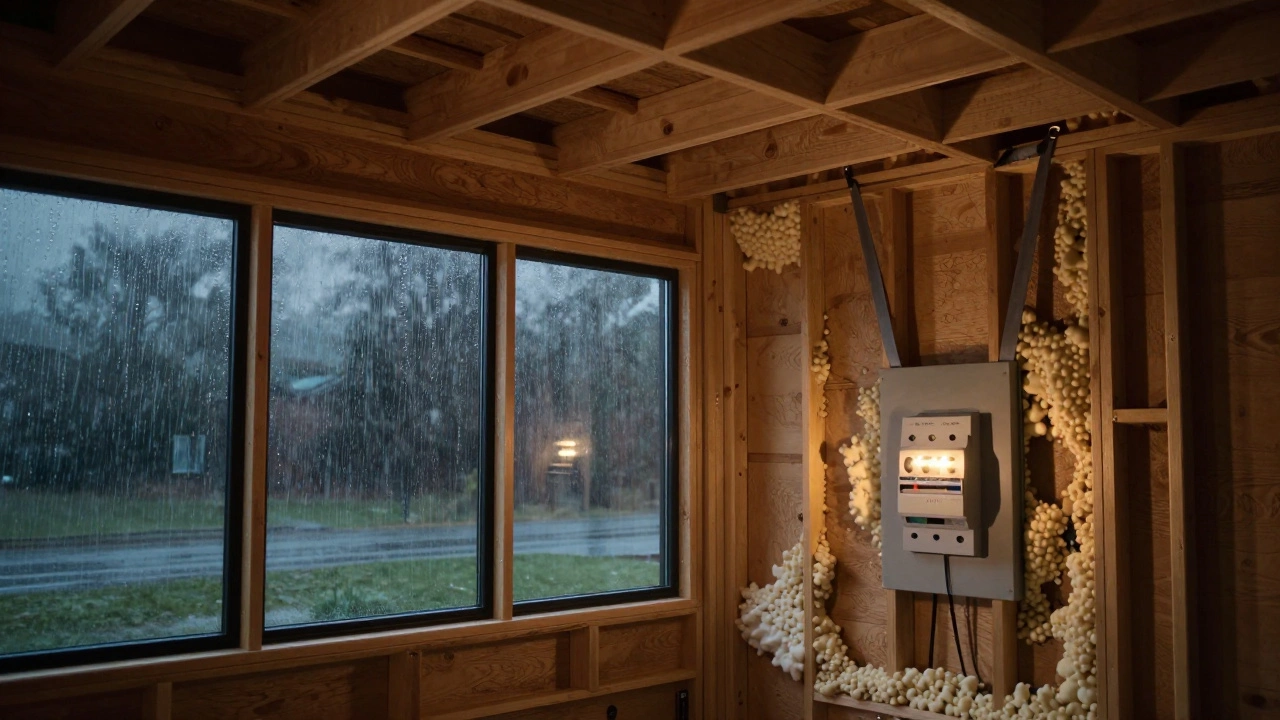
| Insulation | Fiberglass Batts / None | Spray Foam / High-R Fiberglass | Better thermal retention; prevents mold |
| Windows | Single Pane Aluminum | Double/Triple Glazed Vinyl | Reduced condensation; higher impact resistance |
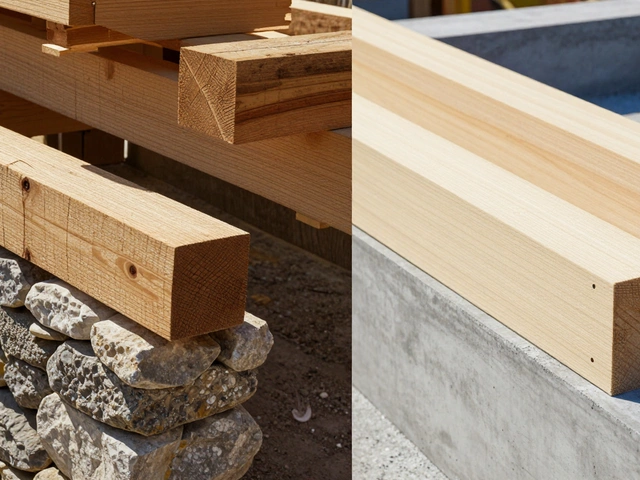
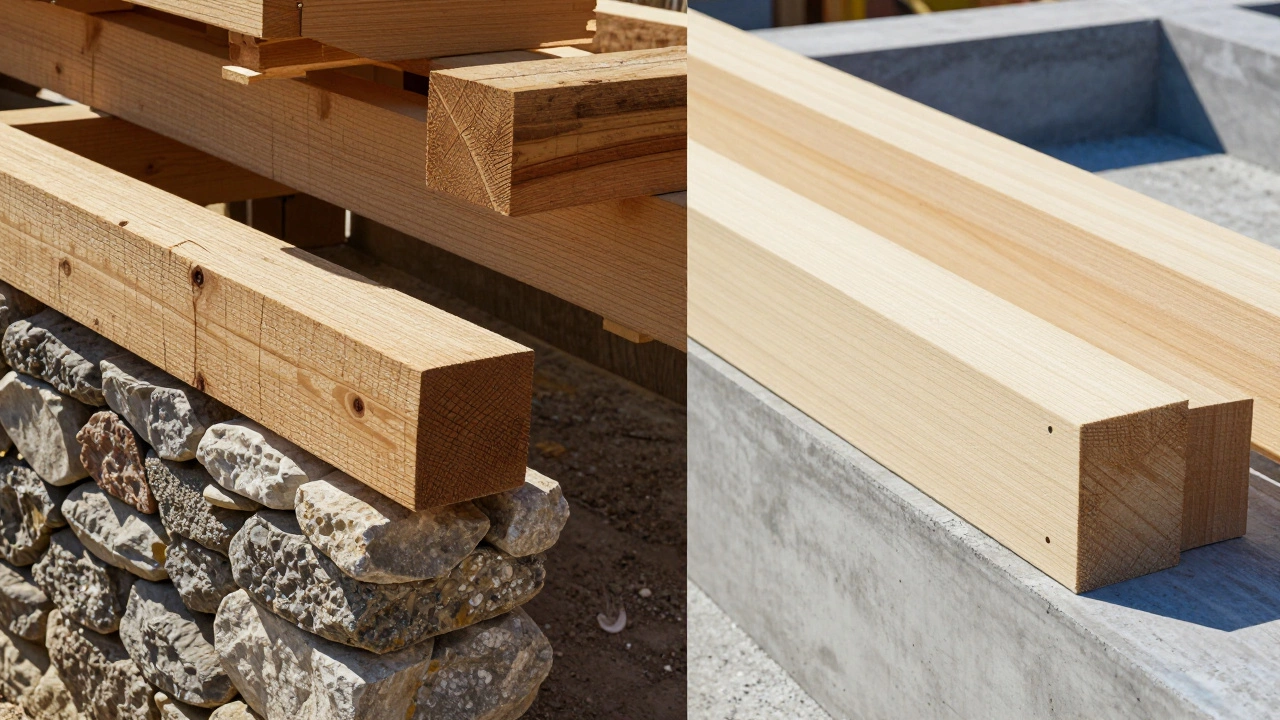
| Foundation | Stone / Unreinforced Concrete | Reinforced Concrete / Poured Slab | Superior load-bearing capacity |
The Energy Efficiency Factor
Durability isn't just about whether the roof stays on; it's about how well the house protects its inhabitants from the elements. This is where new builds crush older properties. Building codes have tightened dramatically regarding air sealing and insulation. A New Build Home must meet strict energy efficiency standards set by local building codes, requiring proper insulation, air sealing, and efficient HVAC systems to reduce energy consumption.
In an older home, drafts are common. Air leaks through gaps around windows, doors, and electrical outlets. This constant exchange of air forces your heating and cooling system to work overtime, leading to premature wear on mechanical systems. In a new build, the envelope is tight. Spray foam insulation seals cracks that would have been left open in the past. This not only saves money on utility bills but also reduces the risk of moisture intrusion, which is the number one enemy of structural durability. Mold and rot destroy houses faster than any other factor, and modern building practices prioritize keeping water out.
Common Defects: What to Watch For
If new builds are so superior, why do they get a bad reputation? The issue usually isn't the materials; it's the speed of construction and the margin pressures on builders. To keep prices competitive, some developers cut corners on labor intensity. This leads to "cosmetic" defects that, while not structurally dangerous, are frustrating for homeowners.
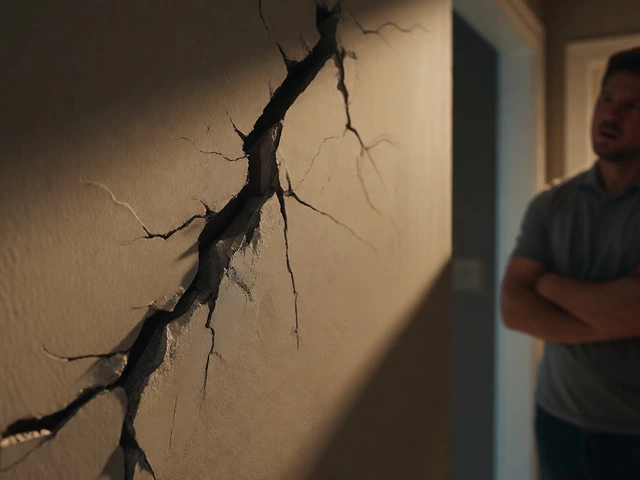
- Drywall Cracks: As a new house settles onto its foundation, slight shifts occur. Drywall joints may crack. This is normal in the first two years and is easily repaired, but it signals that the house is still adjusting.
- Sticking Doors and Windows: Poor installation or uneven settling can cause frames to bind. This is often a finish carpentry issue rather than a structural failure.
- Plumbing Leaks: Connections behind walls or under sinks may be loose due to rushed assembly. Regular inspection during the warranty period is crucial.
- Roof Flashing Errors: Improperly sealed flashing around chimneys or vents is a leading cause of early roof leaks in new constructions.
These issues are manageable if you utilize the builder's warranty effectively. Most new builds come with a one-year warranty on workmanship and appliances, and a ten-year structural warranty covering major components like the foundation and framing. Never skip the pre-delivery inspection. Hire an independent third-party inspector who specializes in new construction. They know exactly where builders tend to hide mistakes.
Structural Integrity and Safety Codes
One area where new builds are undeniably more durable is safety. Building codes are updated regularly based on lessons learned from disasters. The International Residential Code (IRC) mandates stricter requirements for seismic resistance, wind loads, and fire safety.
For example, hurricane straps-metal connectors that tie the roof trusses to the wall studs-are now standard in many regions. In older homes, roofs were often nailed loosely, making them prone to lifting off during high winds. Similarly, electrical systems in new builds include Arc-Fault Circuit Interrupters (AFCIs), which detect dangerous electrical patterns and shut off power before a fire starts. Older homes lack this protection, making them inherently less safe and durable in terms of risk mitigation.
Foundation engineering has also advanced. Soil testing is more rigorous, and reinforcement techniques ensure that the base of the home can handle shifting ground conditions. While no foundation is immune to movement, modern poured concrete foundations with rebar grids are far more resilient than the stone or brick foundations found in century-old homes.
The Warranty Advantage
Buying an older home means buying it "as-is." If the furnace dies next month, that’s your problem. With a new build, you have a safety net. The transferable structural warranty is a significant asset. It covers catastrophic failures like foundation heaving or framing collapse. This financial protection adds a layer of durability to your ownership experience, ensuring that major repairs don't bankrupt you.
Additionally, manufacturers' warranties cover appliances, HVAC systems, and roofing materials. This means that for the first decade of ownership, you are largely protected from the cost of component replacement. This is a form of economic durability that older homes simply cannot match.
Making Your New Build Last Longer
Even the best-built home requires maintenance. Durability is a partnership between the builder and the owner. Here are practical steps to ensure your new build ages gracefully:
- Monitor Settlement: Keep an eye on interior walls and exterior stucco for hairline cracks in the first two years. Document them and report them to the builder immediately.
- Check Grading: Ensure the soil around your foundation slopes away from the house. Water pooling near the foundation is the fastest way to compromise structural integrity.
- Service HVAC Annually: Even though the system is new, dust and debris accumulate quickly. Regular maintenance extends the life of the unit and maintains indoor air quality.
- Inspect Roof Flashing: After the first few storms, check attic spaces for signs of moisture. Early detection prevents rot.
- Paint Exterior Timely: If you have wood siding or trim, repainting according to manufacturer recommendations prevents weathering and decay.
New builds are not perfect, but they are engineered for the realities of the 21st century. They are safer, more energy-efficient, and built with materials that offer consistent performance. By understanding the trade-offs-primarily the initial settling period and potential cosmetic flaws-you can make an informed decision. The durability of a new build is not a myth; it is a documented reality backed by modern engineering and strict regulatory oversight.
How long does a new build typically last?
With proper maintenance, a modern new build can last 100 years or more. The structural components (foundation, framing) are designed for a century of service. Mechanical systems like HVAC and water heaters typically last 15-20 years, while roofs may need replacement every 30-50 years depending on the material.
Are new builds cheaper to maintain than old homes?
Generally, yes. New builds have newer mechanical systems, better insulation, and modern plumbing and electrical that comply with current codes. This reduces the frequency of emergency repairs and lowers utility costs, although cosmetic updates like painting may be needed sooner than in some older, heavily renovated homes.
What is the biggest risk with buying a new build?
The biggest risk is poor workmanship by subcontractors hired by the builder. Issues like improper drywall taping, loose fixture installations, or inadequate sealing can lead to immediate headaches. This is why a thorough pre-delivery inspection by an independent professional is critical.
Do new builds have better resale value?
New builds often appreciate steadily in the first 5-10 years because they require little immediate investment from buyers. However, their value growth may plateau compared to older homes in established neighborhoods with mature landscaping and proven community stability.
Is the foundation of a new build more stable?
Yes, modern foundations are engineered with reinforced concrete and steel rebar, adhering to strict soil-bearing capacity tests. While all homes settle, new foundations are less prone to catastrophic failure than older, unreinforced masonry or stone foundations.