Which Flooring Adds the Most Value to Your Home in 2026?
Home Flooring Value & ROI Calculator
Enter your estimated installation cost below to see how much value specific flooring materials could add to your home's resale price.
| Flooring Type | Avg ROI % | Est. Value Added ($) | Net Gain/Loss ($) |
|---|
You’re standing in your living room, staring at that worn-out carpet or scratched tile, wondering if ripping it out is worth the hassle. It’s a common thought for homeowners looking to boost their property's appeal. The truth? Not all floors are created equal when it comes to adding dollar signs to your home’s resale price. Some materials offer a solid return on investment (ROI), while others might just look pretty but do little for your bank account. If you want to know which flooring adds value to your home without wasting money on fads, keep reading. We’ll break down what actually sells houses, based on real estate data and contractor insights.
The Hardwood Standard: Why It Still Wins
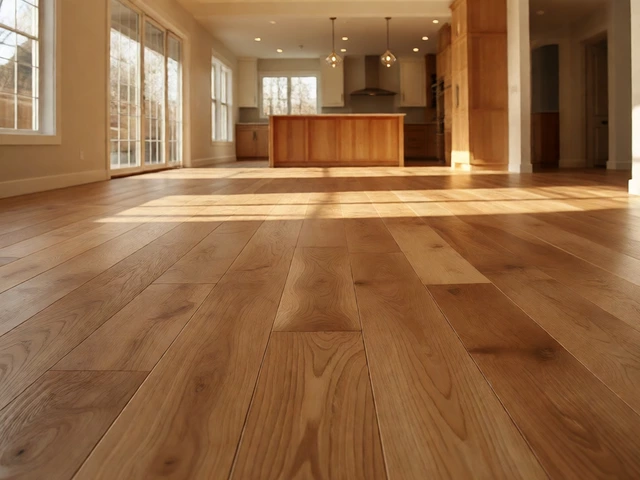
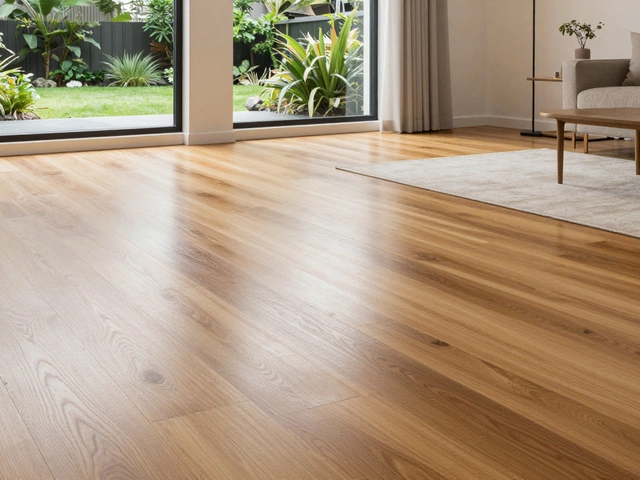
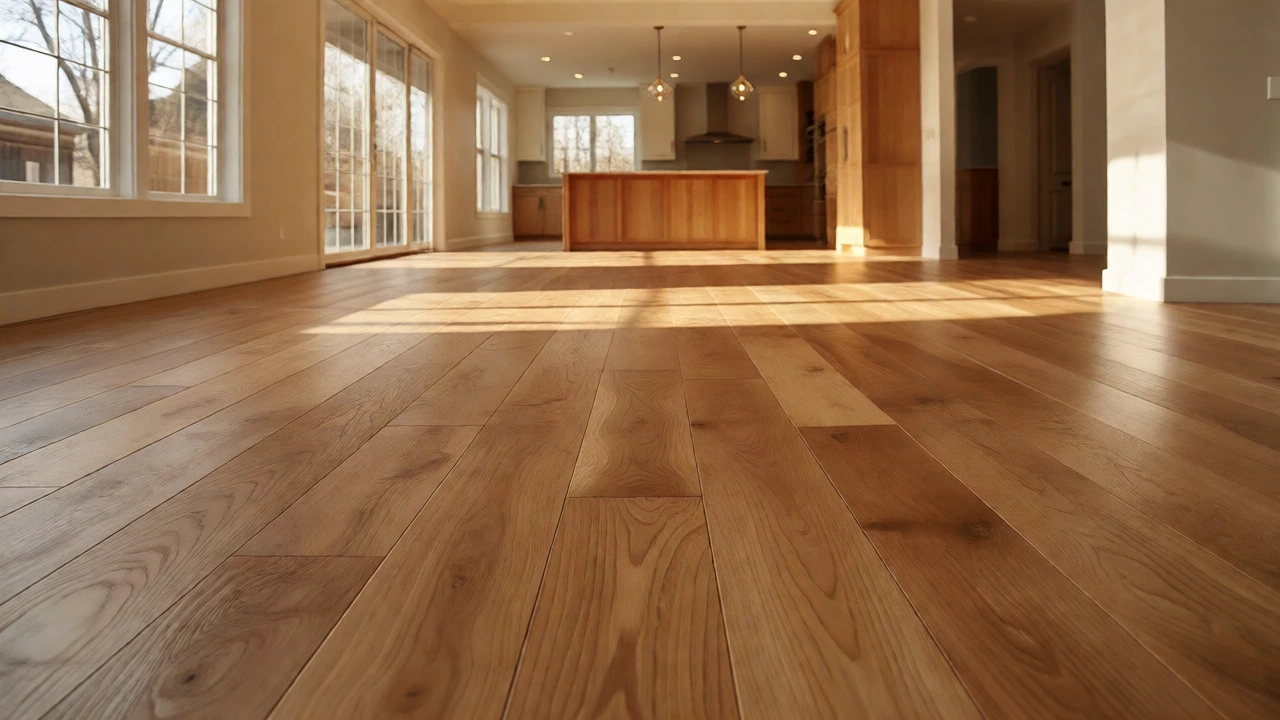
When real estate agents talk about "buyer bait," they often mean one thing: hardwood. Specifically, solid hardwood flooring remains the gold standard for increasing home value. According to the National Association of Realtors’ Remodeling Impact Report, installing new wood floors can recoup about 70% to 80% of its cost upon sale. But here’s the catch-it’s not just any wood. Buyers prefer natural tones like oak, maple, or walnut over dark, trendy stains that might feel dated in five years.
Why does this material hold its ground? Durability and perception. A well-maintained hardwood floor signals quality construction to potential buyers. It suggests the previous owner cared about maintenance. However, solid hardwood isn’t perfect for every climate. In humid areas like Auckland, moisture can cause warping. That’s where engineered hardwood steps in as a smart alternative. It offers the same aesthetic with better resistance to humidity changes, making it a safer bet for coastal homes.
Vinyl Plank: The Budget-Friendly Powerhouse
If solid hardwood breaks the budget, luxury vinyl plank (LVP) has surged in popularity for good reason. It’s waterproof, durable, and mimics wood grain surprisingly well. While it doesn’t add as much pure monetary value as solid wood, it significantly boosts marketability. Homes with modern, clean-looking LVP sell faster than those with outdated linoleum or stained carpet.
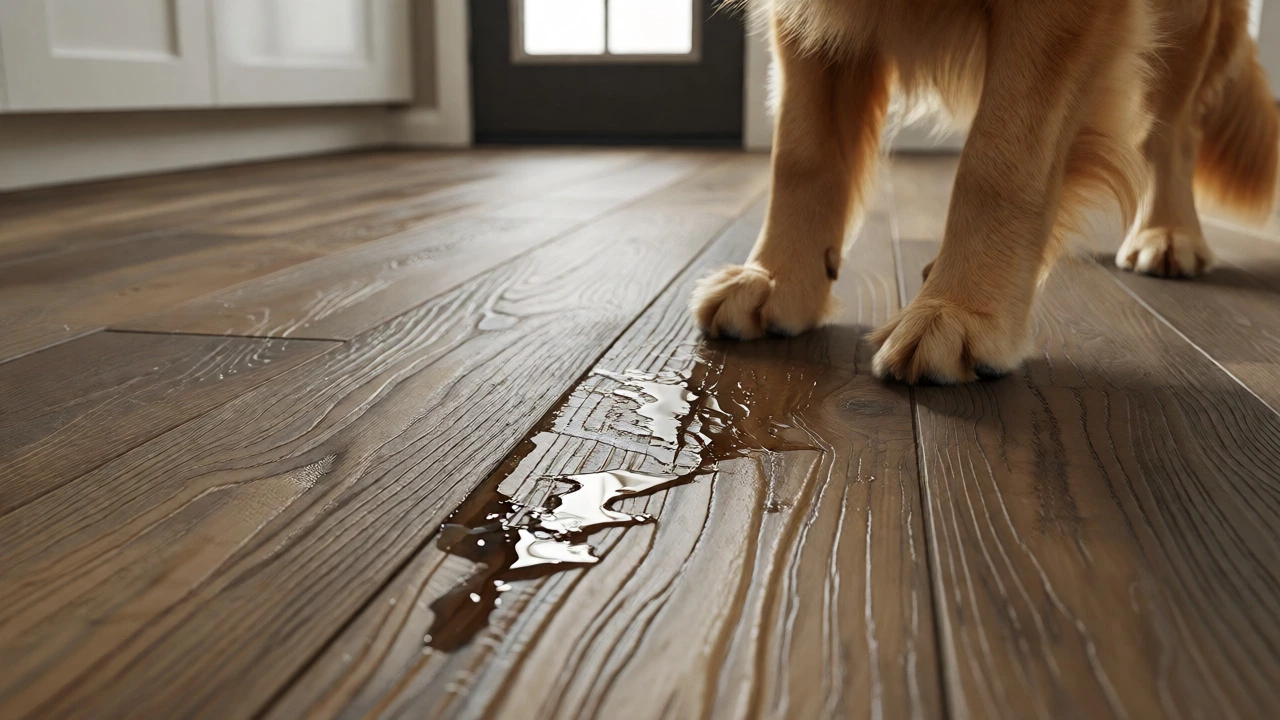
Think of LVP as the practical choice for high-traffic zones like kitchens and entryways. It resists scratches from dog claws and spills from wine glasses. For sellers, this means fewer deductions during home inspections. You won’t see a 100% ROI, but you will avoid the negative impression of damaged flooring. It’s a defensive play-protecting your home’s value rather than aggressively inflating it.
Tile and Stone: Where Luxury Meets Practicality
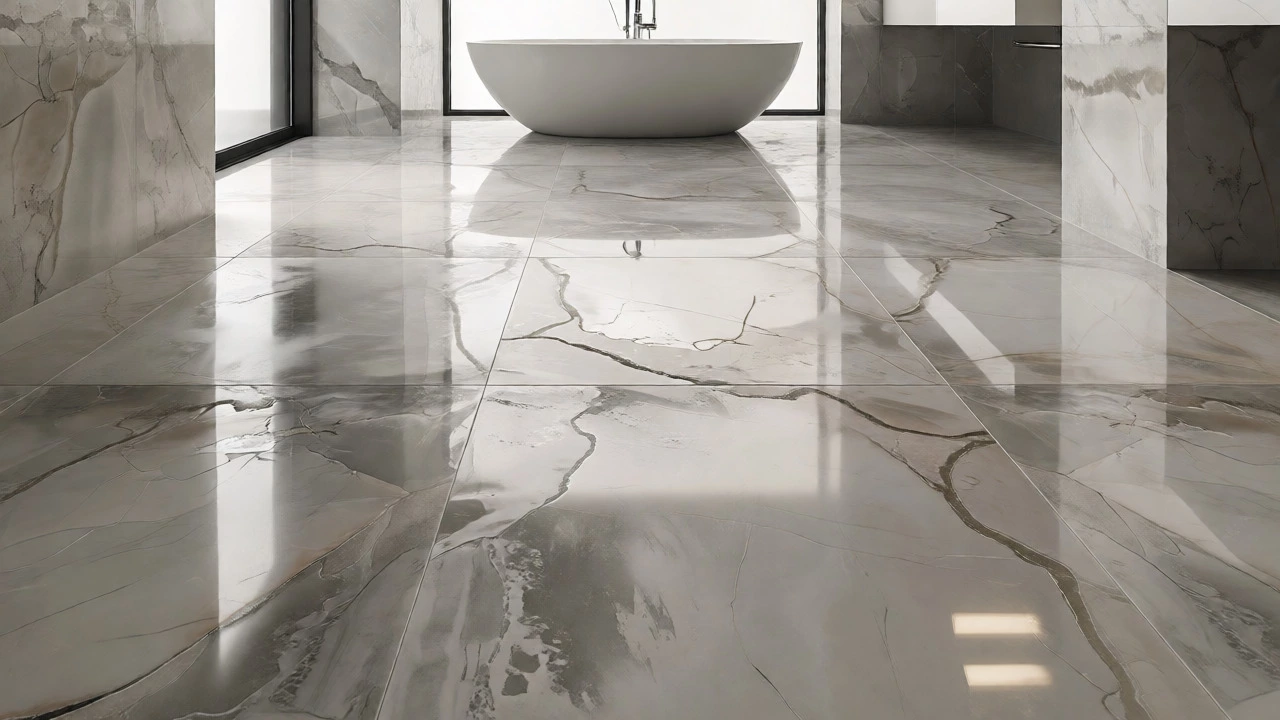
Natural stone tiles like marble or granite scream luxury, but they come with a hefty price tag and installation complexity. Do they add value? Yes, but mostly in specific contexts. High-end bathrooms or gourmet kitchens benefit most from stone surfaces. In these rooms, buyers expect premium finishes. Using cheap ceramic substitutes in a luxury listing can actually hurt your perceived value.
Porcelain tile is a different story. It’s dense, water-resistant, and available in large formats that mimic concrete or stone. In basements or outdoor patios, porcelain adds functional value by creating usable living space. This square footage counts toward total home area, directly influencing appraisal values. Just ensure professional installation; uneven grout lines or cracked tiles are immediate red flags for inspectors.
Carpet: The Double-Edged Sword
Here’s where opinions clash. Carpet adds comfort and warmth, especially in bedrooms. But does it add financial value? Rarely. Most buyers view old carpet as a liability-a cleaning chore they’d rather not handle. New carpet can refresh a bedroom quickly and cheaply, offering a quick cosmetic fix. But it rarely increases the appraised value beyond the cost of replacement.
If you must use carpet, stick to neutral colors and low-pile options. Avoid shaggy textures or bold patterns. Better yet, consider removing carpet entirely in favor of hard surfaces throughout the main living areas. Leave carpet only in private spaces like master bedrooms or media rooms. This hybrid approach satisfies both the desire for cozy retreats and the demand for easy-to-clean public spaces.
| Flooring Type | Average ROI | Buyer Appeal | Best Use Case |
|---|---|---|---|
| Solid Hardwood | 70-80% | High | Living rooms, dining areas |
| Engineered Wood | 60-75% | High | Humid climates, basements |
| Luxury Vinyl Plank | 50-60% | Medium-High | Kitchens, bathrooms, rentals |
| Natural Stone | 40-50% | High (Luxury markets) | Master baths, foyers |
| New Carpet | 30-40% | Low-Medium | Bedrooms, nurseries |
Consistency Matters More Than Perfection
One mistake homeowners make is mixing too many flooring types. Having five different transitions between rooms creates visual clutter. Buyers perceive fragmented layouts as smaller and less cohesive. Aim for continuity. If you have hardwood in the living room, extend it into the hallway and kitchen if possible. Use rugs to define spaces instead of changing materials frequently.
This consistency simplifies cleaning and enhances flow. It also reduces installation costs since contractors charge more for complex transitions. When staging your home, notice how open-plan designs rely on uniform flooring to create a sense of spaciousness. Even if you can’t afford to replace everything, refinish existing floors to match tones across adjacent rooms. Small adjustments yield big perceptual shifts.
Local Trends and Climate Considerations
Context matters. In colder regions, radiant heating under tile floors adds significant appeal. In warmer climates like parts of Australia or the US Southwest, cool surfaces like tile or polished concrete are preferred. Always align your choice with local expectations. Research recent sales in your neighborhood. What do comparable homes have? If everyone else has updated hardwood, sticking with original pine might leave you behind.
Also consider sustainability. Eco-conscious buyers increasingly look for FSC-certified wood or recycled-content tiles. Mentioning these features in your listing description can differentiate your property. It shows attention to detail and modern values, appealing to younger demographics entering the housing market.
Making the Right Choice for Your Situation
So, what should you do? If you plan to stay in your home for another decade, prioritize durability and personal comfort. Choose what makes you happy. But if you’re selling within two to three years, focus on neutral, widely appealing options. Solid hardwood offers the best blend of aesthetics and ROI. Engineered wood provides similar benefits with easier installation. Luxury vinyl plank delivers maximum bang for your buck in wet areas.
Avoid overly personalized choices like bright red tiles or exotic bamboo unless you’re targeting a niche buyer pool. Keep it simple, clean, and consistent. Remember, the goal isn’t to impress friends-it’s to attract serious offers. Invest in the foundation of your home’s interior, and you’ll likely see those dollars return when it’s time to move.
Does laminate flooring add value to a home?
Laminate flooring generally adds minimal value compared to hardwood or high-quality vinyl. While it looks nice initially, buyers often recognize it as a budget option. It may help sell a house faster if replacing old carpet, but it rarely increases the appraised price significantly. It’s best viewed as a cosmetic upgrade rather than a value-add investment.
Is engineered wood better than solid hardwood for resale?
In many cases, yes, especially in humid climates. Engineered wood resists moisture damage better than solid hardwood, reducing long-term maintenance concerns for buyers. It also installs faster and cheaper. While solid hardwood has higher prestige, engineered wood offers comparable aesthetic appeal with greater practicality, making it a strong contender for maximizing resale value in diverse environments.
What color flooring sells houses fastest?
Neutral tones dominate the market. Light oak, gray-washed wood, and warm beige tiles appeal to the widest audience. These colors make spaces feel larger and brighter, allowing buyers to envision their own furniture. Dark woods can make rooms feel smaller and require more frequent cleaning to hide dust. Stick to versatile neutrals to maximize buyer interest.
Should I remove carpet before selling my home?
If the carpet is old, stained, or mismatched, removal often improves appeal. Replacing it with hard surfaces can modernize the space. However, if the carpet is new and in good condition, leaving it in bedrooms is acceptable. Focus on removing carpet from main living areas like hallways and living rooms, where hard floors provide better flow and cleanliness perceptions.
How much does flooring impact home appraisal?
Appraisers primarily assess structural integrity and overall condition. Flooring impacts value indirectly by affecting habitability and aesthetic appeal. High-end materials don’t always translate directly to higher appraised values unless they match the neighborhood standard. Consistent, well-maintained flooring supports the home’s overall rating, preventing deductions for deferred maintenance.