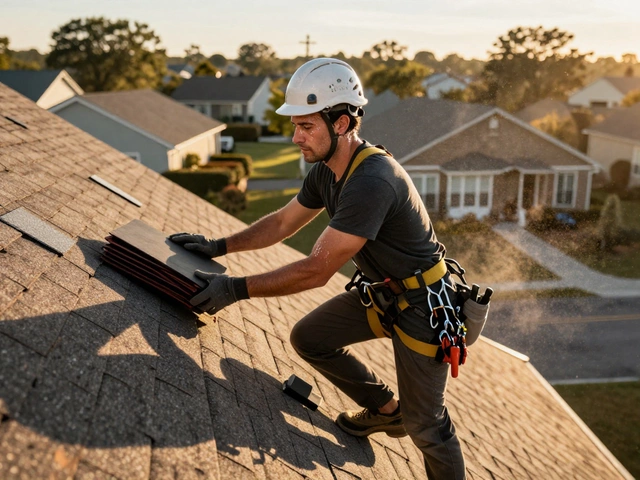
What Are Roof Workers Called? Common Titles and Roles in Roofing
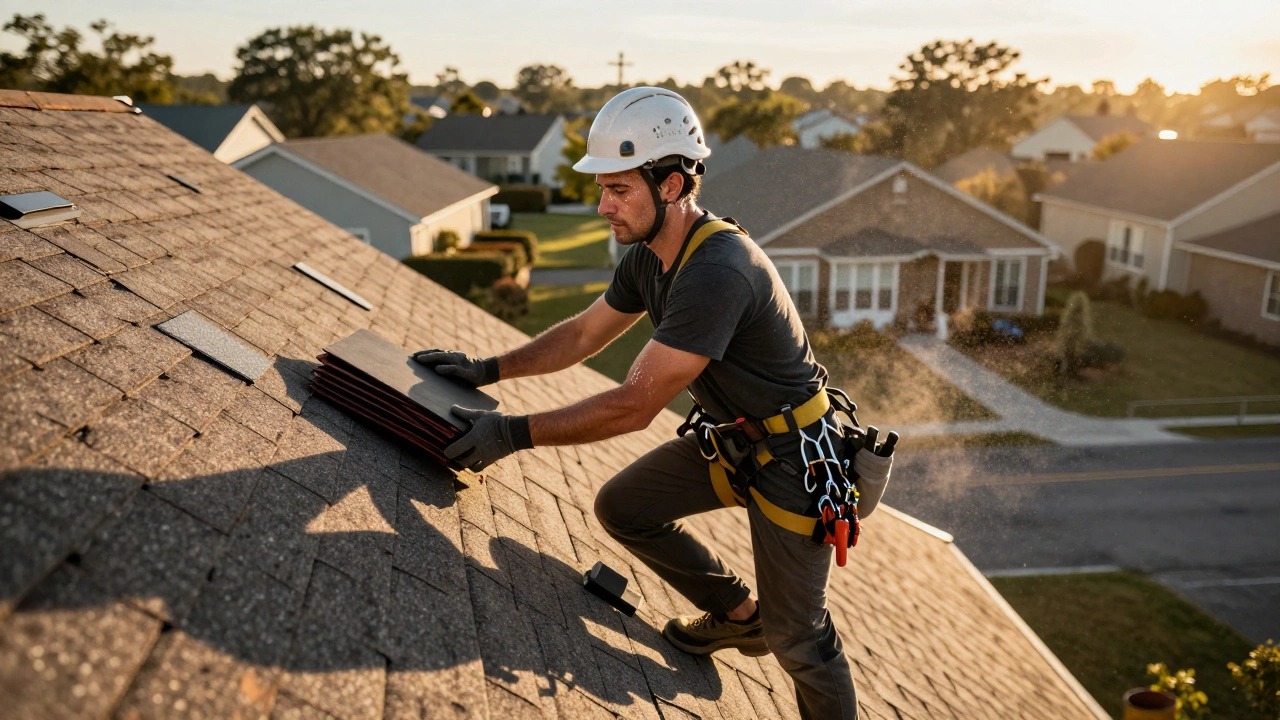
When you see someone climbing up a steep roof with a hammer, nails, and bundles of shingles, you might wonder: what do they actually call these people? It’s not just "the guy on the roof." There are specific names for roof workers, and each title reflects a different skill, experience level, or job focus. Knowing the right terms helps you hire the right person, understand quotes, or even start a career in roofing.
Roofers Are the Most Common Term
The most widely used name for someone who works on roofs is roofer. This is the go-to term used by homeowners, contractors, and industry publications. A roofer handles installation, repair, replacement, and maintenance of roofs. They work with materials like asphalt shingles, metal, tile, slate, and flat roofing systems like EPDM or TPO. Most roofers are licensed, insured, and trained in safety protocols because roofing is one of the most dangerous construction jobs. The U.S. Bureau of Labor Statistics reports that roofers have a fatality rate nearly six times higher than the average for all occupations, which is why proper training and certification matter.
Roof Installers Focus on New Roofs
Some roof workers specialize only in installing new roofs. These professionals are often called roof installers. They don’t typically handle repairs or emergency leak fixes. Their job is to remove old roofing material, lay down underlayment, and install the final layer-whether it’s shingles, metal panels, or tiles. Roof installers often work for large roofing companies that handle new home construction or full roof replacements after storm damage. If you’re building a new house or replacing your entire roof, you’ll likely hire a team of roof installers.
Roof Repair Technicians Fix Problems
If your roof is leaking, has missing shingles, or shows signs of wear after a hailstorm, you’ll need a roof repair technician. These workers focus on diagnostics and fixes rather than full installations. They inspect for damaged flashing, cracked seals, rotting decking, or clogged gutters that cause water backup. Many roof repair technicians start as apprentices and spend years learning how to spot subtle signs of failure-like discoloration on attic insulation or a slight sag in the roofline-that others miss. A good repair technician can extend your roof’s life by 10-15 years with targeted fixes instead of a full replacement.
Commercial Roofers Work on Big Buildings
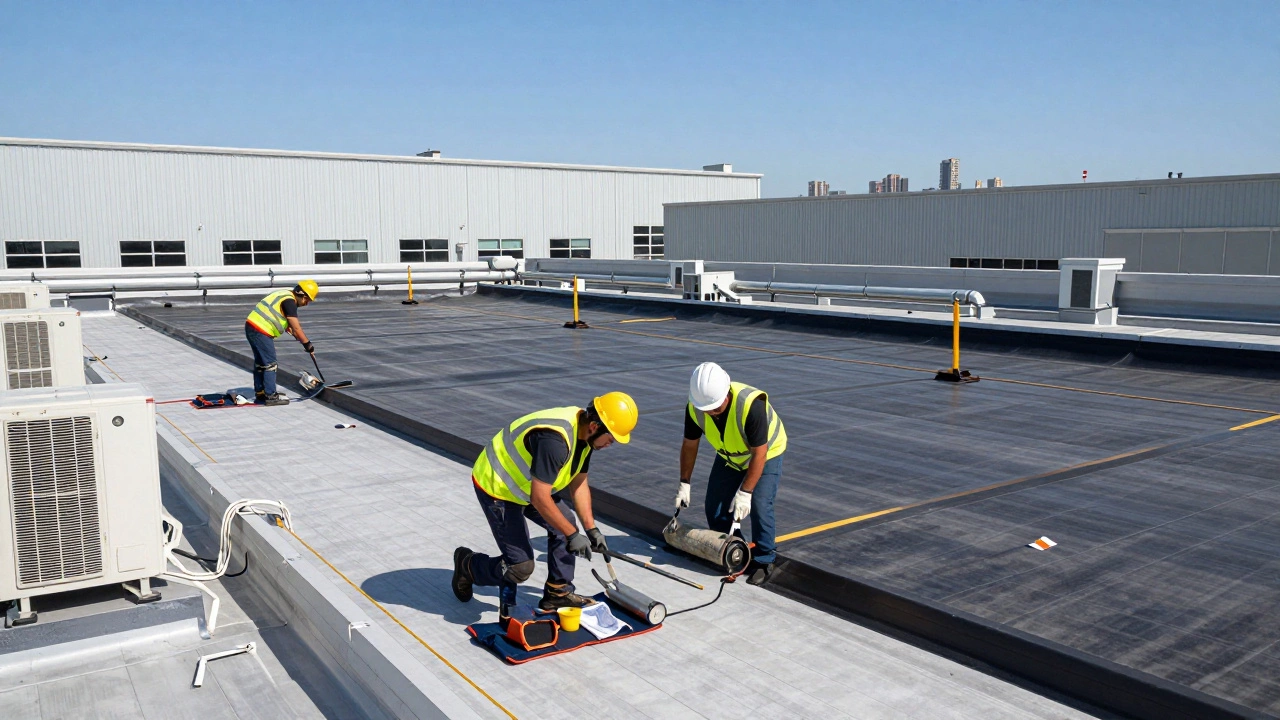
Not all roofs are the same. Roofs on warehouses, malls, hospitals, and office buildings are very different from residential ones. Workers who handle these are called commercial roofers. They specialize in large, flat, or low-slope roofs made from membrane systems like PVC, TPO, or modified bitumen. Commercial roofing requires different tools, safety gear, and techniques. These roofers often work with HVAC units, rooftop units, skylights, and drainage systems that are built into the roof structure. Because commercial projects involve complex building codes and large crews, commercial roofers usually have additional certifications in OSHA safety and building regulations.
Roofing Contractors Manage the Job
A roofing contractor isn’t always the one climbing the ladder. They’re the business owner or project manager who hires roofers, handles permits, buys materials, and coordinates with homeowners or property managers. Many roofing contractors started as roofers themselves and built their own companies. If you’re hiring someone to do your roof work, you’re usually hiring a contractor who then sends out a crew. A reputable contractor will provide a written contract, proof of insurance, and references. Always ask: "Are you the contractor, or are you subcontracting the work?" Some unscrupulous companies act as middlemen and outsource to unlicensed crews.
Apprentices and Helpers Support the Crew
Behind every experienced roofer is a team of apprentices and helpers. These are the entry-level workers who carry materials, clean up debris, set up scaffolding, and assist with measurements. They’re often called roofing helpers or apprentices. Apprenticeships typically last three to five years and combine on-the-job training with classroom instruction. Many trade schools and unions offer formal roofing apprenticeships. This is how most roofers learn the trade-not from YouTube videos, but from hands-on mentorship. If you’re looking to get into roofing, starting as a helper is the most common path.
Specialists: Metal Roofers, Slate Installers, and More
Some roofers become specialists because certain materials require unique skills. A metal roofer knows how to seam, fasten, and flash metal panels correctly to prevent water intrusion. A slate installer works with fragile, heavy stone tiles that can crack if handled wrong. These professionals often train for years to master their craft. Slate roofs can last over 100 years, but only if installed by someone who understands weight distribution and ventilation. Similarly, flat roof specialists focus on drainage, insulation, and waterproofing membranes used in commercial and modern homes. These specialists charge more because their skills are rare and demand is high.
What to Look for When Hiring a Roof Worker
Not everyone who says they’re a roofer actually knows how to do the job right. Here’s what to check:
- Ask for a license number and verify it with your state’s contractor board.
- Request proof of workers’ compensation and liability insurance.
- Ask if they use subcontractors-and if so, ask for their credentials too.
- Check reviews on Google, the Better Business Bureau, or Angi (formerly Angie’s List).
- Get a detailed written estimate that breaks down labor, materials, and disposal fees.
- Ask how long they’ve been in business. Companies with less than three years of history are riskier.
A good roofer won’t pressure you to sign on the spot. They’ll explain the process, answer questions, and give you time to compare bids. Don’t choose the lowest price-choose the most transparent and experienced.
How Roofing Jobs Are Structured
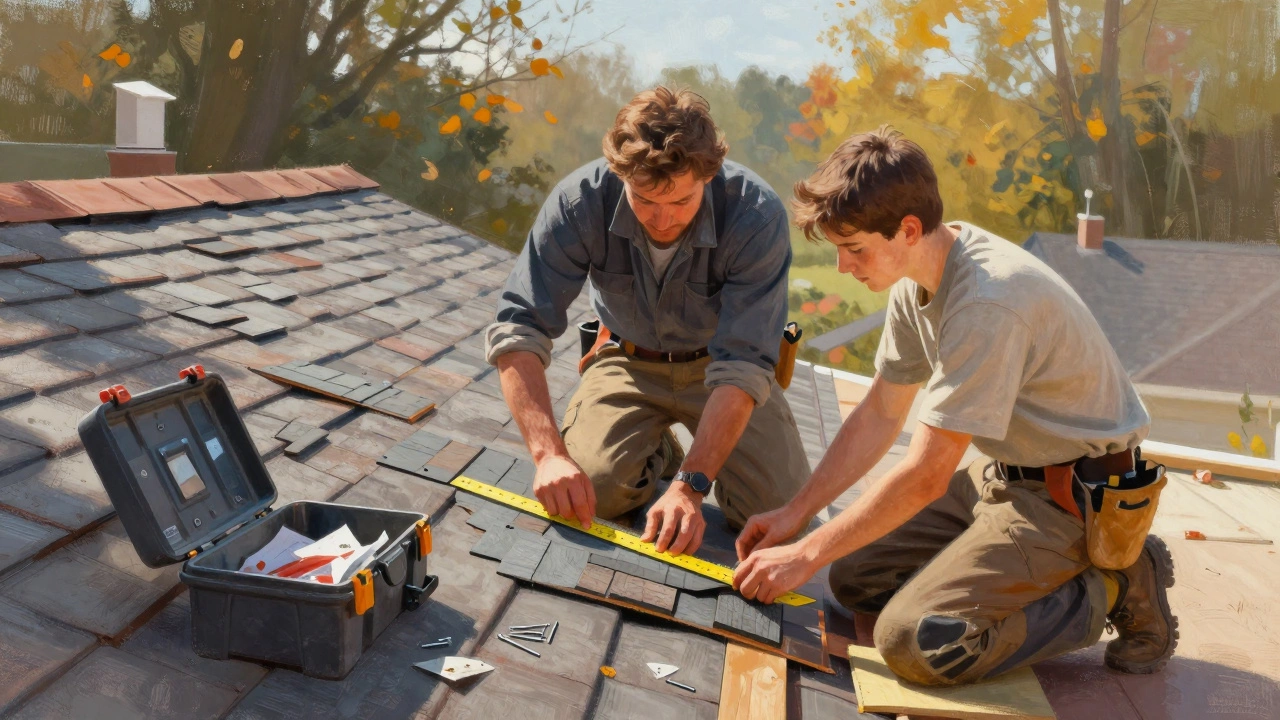
Most roofing crews have a clear hierarchy. At the top is the crew leader or foreman, who’s usually a master roofer with 10+ years of experience. Below them are journeyman roofers who can work independently. Then come apprentices and helpers. A typical residential crew has 3-5 people. Commercial jobs can have 10 or more. The crew size depends on the job’s scope. A small repair might take one roofer and a helper. A full home re-roofing job usually needs a full crew working 2-4 days.
Training and Certification
While you don’t need a college degree to become a roofer, training is essential. The National Roofing Contractors Association (NRCA) offers certification programs for roof installers, inspectors, and safety supervisors. Many states require roofers to pass a licensing exam that tests knowledge of building codes, safety standards, and roofing materials. The OSHA 10-Hour and 30-Hour Construction Safety courses are also standard. Some employers pay for training, especially if you’re willing to commit to a multi-year apprenticeship.
Why the Right Name Matters
Calling someone a "roofer" when they’re actually a commercial membrane specialist can lead to misunderstandings. If you need a flat roof fixed and hire a residential shingle roofer, you might end up with a patch job that fails within a year. Knowing the difference between a roofer, installer, repair tech, or contractor helps you ask the right questions. It also helps you avoid scams-some fly-by-night operators call themselves "roofers" but have no real skills or insurance.
Future of the Roofing Trade
The roofing industry is changing. More companies are using drones to inspect roofs, solar-integrated roofing systems are becoming popular, and energy-efficient materials are now standard in many areas. Roofers today need to understand not just how to lay shingles, but how to install solar panels, integrate insulation, and meet new energy codes. The demand for skilled roofers is growing-especially as older workers retire. If you’re considering a career in construction, roofing offers steady work, good pay (median hourly wage is $23.50 as of 2025), and the chance to work outdoors without a desk.
Are roofers and roof installers the same thing?
Not exactly. All roof installers are roofers, but not all roofers are installers. Roofers handle repairs, maintenance, and replacements. Roof installers focus only on putting new roofs on buildings. If you’re replacing your whole roof, you’ll likely hire installers. If you’re fixing a leak, you need a general roofer.
Do roofers need a license?
Yes, in most states. Licensing requirements vary, but they usually include passing an exam, showing proof of insurance, and paying a fee. Some states, like Florida and Texas, have strict roofing licenses. Others, like Wyoming, don’t require one. Always verify a roofer’s license through your state’s contractor licensing board.
Can I fix my own roof?
You can try small repairs like replacing a few shingles, but roofing is dangerous. Falls are the leading cause of injury in construction. Without proper training, you could make the problem worse-like damaging underlayment or sealing a leak incorrectly. Most insurance companies won’t cover DIY roof work. It’s safer and smarter to hire a pro.
How long does it take to become a roofer?
Most roofers learn through a 3-5 year apprenticeship that combines on-the-job training with classroom instruction. Some people pick up skills faster by working as a helper, but becoming fully qualified takes time. Mastery comes with experience-especially in reading roof damage and choosing the right materials.
What’s the difference between residential and commercial roofers?
Residential roofers work on houses and small buildings with steep roofs, usually using shingles, tiles, or metal. Commercial roofers handle large, flat roofs on buildings like warehouses or malls, using membrane systems like TPO or EPDM. The tools, materials, safety rules, and codes are different. A residential roofer shouldn’t be hired for a commercial job.