Wardrobe Doors vs. Open Closets: Which Choice Is Right for Your Room?
Wardrobe Choice Decision Tool
Answer these 4 questions to find out if you're a "Door Person" or an "Open Closet Enthusiast."
- Choose doors if you struggle with folding, have a dusty room, or want a minimalist, hidden look.
- Go doorless if you have a tiny room that feels cramped, a very disciplined folding routine, or a desire for a "walk-in boutique" vibe.
- Consider hybrids like curtains or frosted glass to get the best of both worlds.
The Case for Traditional Wardrobe Doors
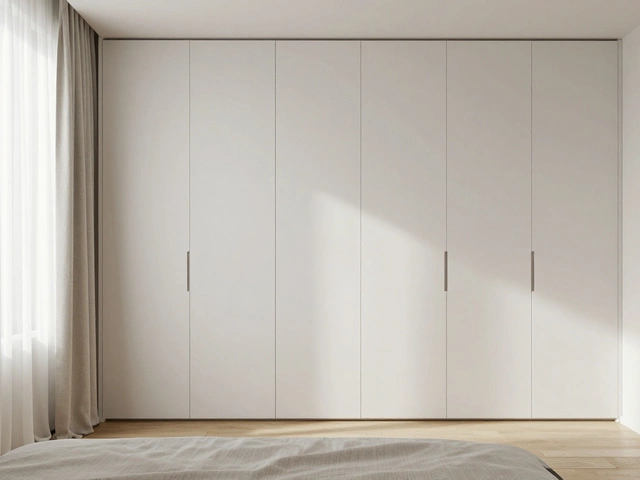
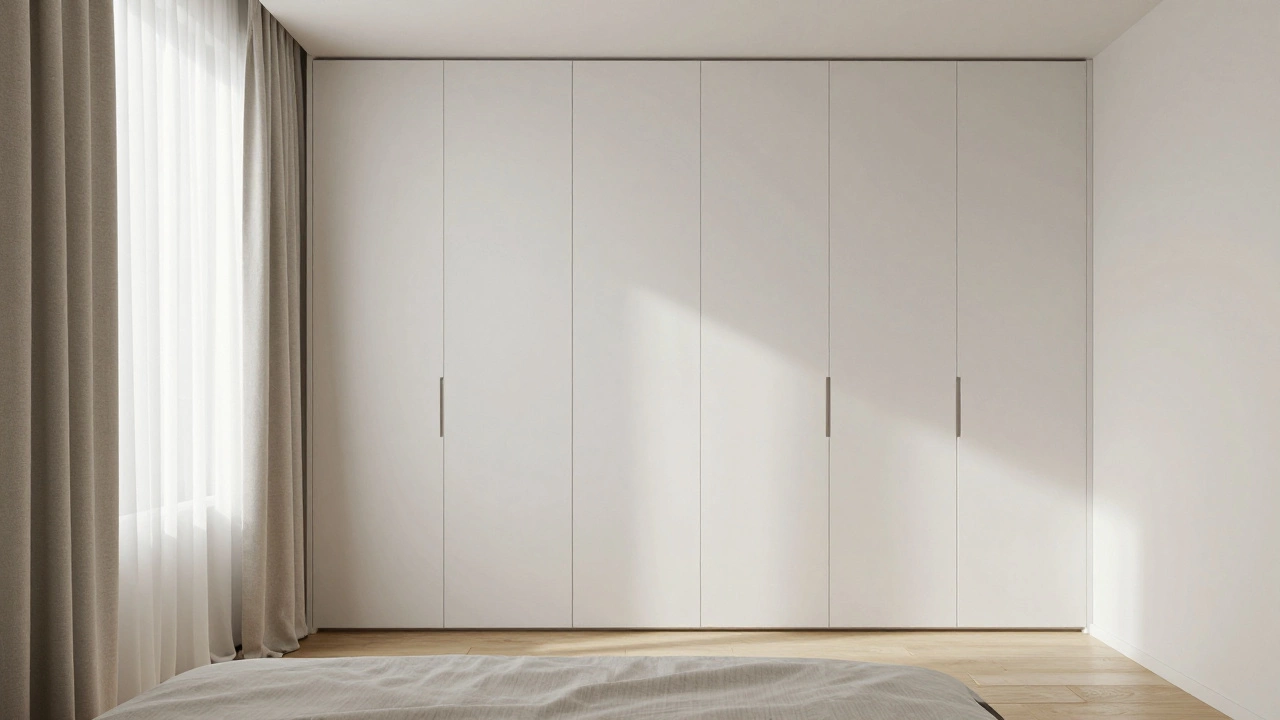
When we talk about wardrobe doors is the physical barrier that separates your clothing from the rest of your living space, we're talking about more than just wood and hinges. The primary job of a door is to hide the chaos. Let's be honest: not everyone folds their t-shirts like a professional organizer. Doors allow you to shut the door on a messy pile of laundry and maintain a clean-looking room.
Beyond the visual side, there's the issue of dust. In a home, dust is a constant. An open rack acts like a giant filter, catching every particle in the air. Over six months, a white dress hanging in an open wardrobe will develop a gray film. Doors create a sealed environment that protects your fabrics from dust and sunlight, which can fade expensive dyes over time.
There's also the psychological impact. A room with closed wardrobes feels more like a sanctuary. By hiding the "work" of getting dressed, the bedroom becomes a place for rest rather than a place of chores. If you use your bedroom for guests or have a multi-purpose space, the ability to hide your belongings in seconds is a huge win.
The Freedom of the Open Wardrobe
On the flip side, an open wardrobe is a storage system consisting of rails, shelves, and drawers without enclosing doors. This approach removes the physical and mental barrier between you and your clothes. Have you ever spent ten minutes deciding what to wear because you couldn't remember what was hiding in the back of a dark closet? With an open system, everything is visible at a glance.
Space is the biggest driver here. Doors require "swing space." If you have a narrow bedroom, a standard hinged door can block the path to the bed or the bathroom. By removing the doors, you reclaim several square feet of usable floor space. This is why many urban apartments and tiny homes lean toward the open look-it makes a small room feel larger because the eye can travel all the way to the wall without hitting a bulky door frame.
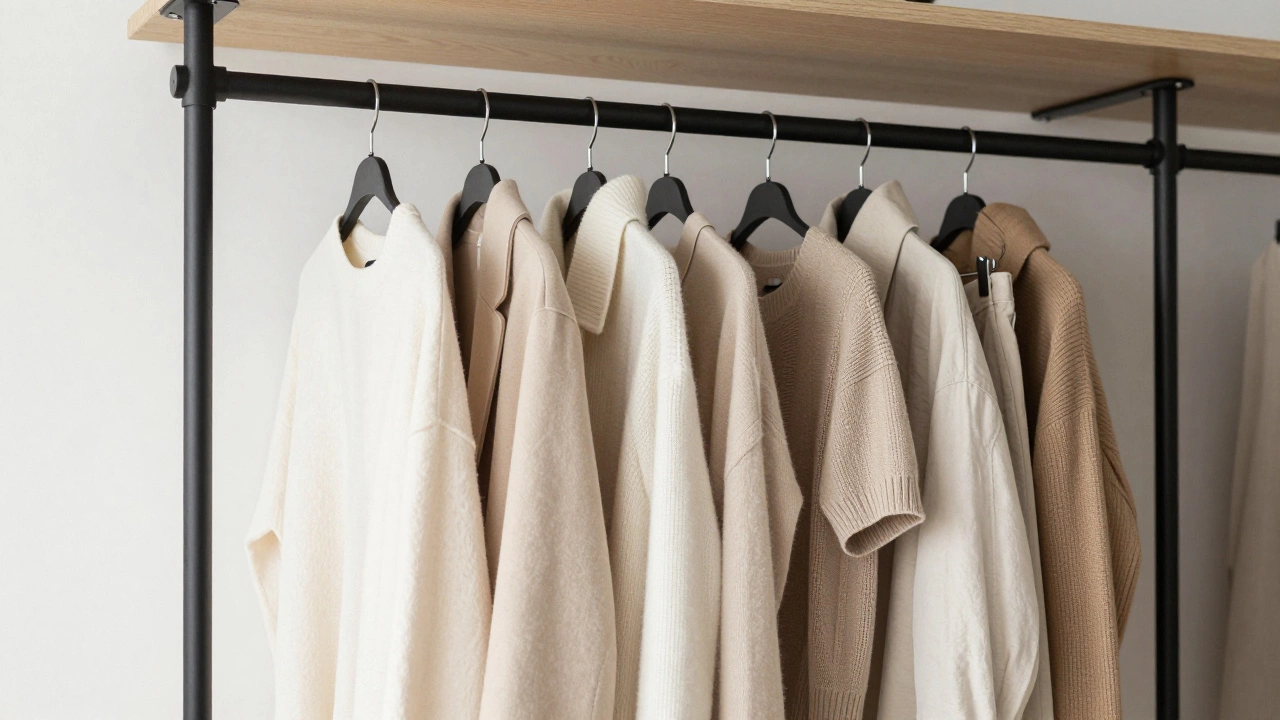
There is also the "fashion statement" factor. If you curate your clothes by color and texture, your wardrobe becomes a piece of decor. Using a high-quality clothing rail in matte black or brushed gold transforms a storage unit into a design feature. It's a look popularized by minimalist Scandinavian design, where the focus is on honesty of materials and accessibility.
Comparing Your Options: The Trade-offs
Choosing between these two isn't about which is "better," but which fits your habits. A person who spends an hour meticulously organizing their clothes will love an open rack. Someone who throws their coat on the nearest surface will regret it within a week.
| Feature | Closed Doors | Open Wardrobe |
|---|---|---|
| Visual Clutter | Hidden / Clean | Visible / Potential Mess |
| Dust Protection | High | Low (Requires regular cleaning) |
| Room Space | Needs swing/slide room | Saves floor space |
| Speed of Access | Slower (Open/Close) | Instant |
| Cost | Higher (Hardware + Panels) | Lower (Rails + Shelves) |
Navigating Door Styles: Not All Doors Are the Same
If you've decided you need doors, you don't have to stick to the old-fashioned hinged version. The type of door you choose changes the entire feel of the room. For example, sliding doors are the gold standard for tight spaces. They glide horizontally, meaning they don't eat into your walking path. They are ideal for mirrored installations, which further open up a room by reflecting light.
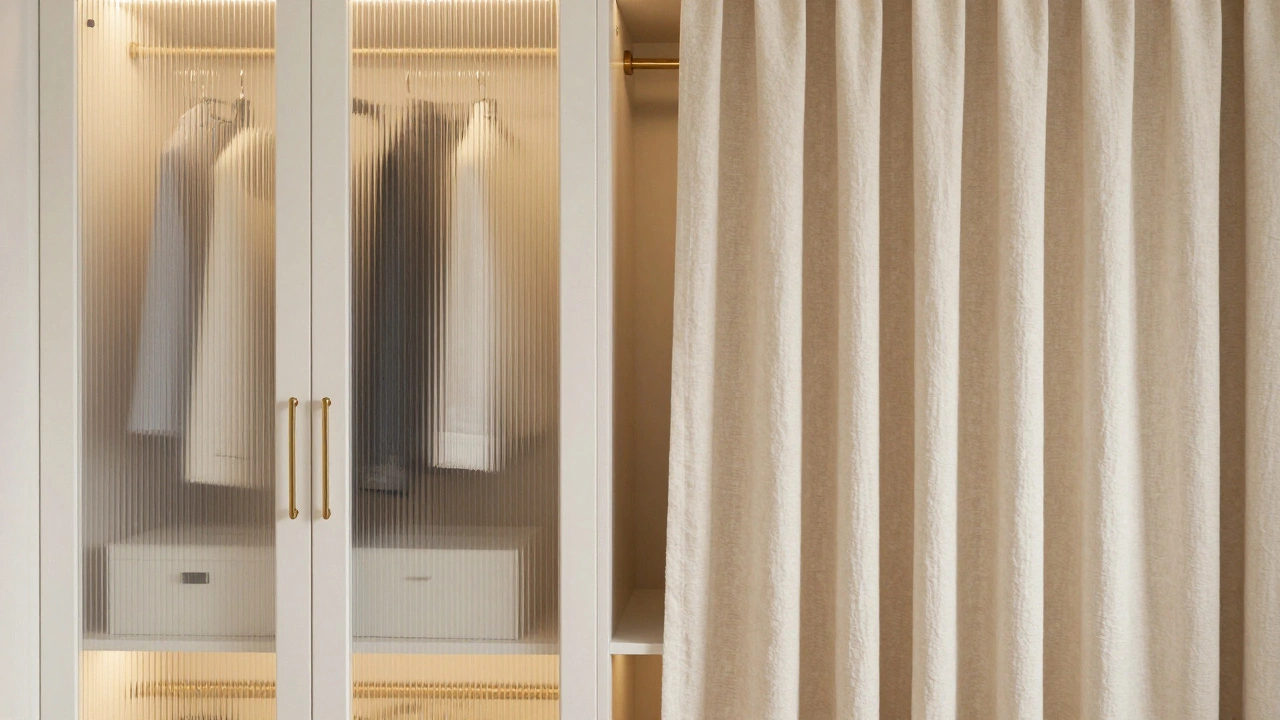
Then there are bifold doors, which fold in on themselves. These are great because they give you full access to the entire wardrobe at once, unlike sliding doors where you can only see half the closet at a time. If you're looking for something more modern, consider frosted glass or fluted glass. These hide the specific mess (you can't see the stray sock) but still let light through, preventing the wardrobe from feeling like a heavy, dark monolith in the room.
For those who can't commit to wood, curtains are a brilliant middle ground. A heavy linen curtain on a track gives you the privacy of a door but the softness of a textile. It's an affordable way to "close" an open wardrobe without the cost of custom cabinetry. Plus, you can change the color of the fabric as your style evolves.
The Maintenance Reality Check
Let's talk about the long-term effort. If you go with an open wardrobe, you are signing up for more cleaning. Not just for the clothes, but for the shelves. Dust settles on the flat surfaces of an open system much faster than inside a closed one. You'll find yourself using a handheld vacuum or a microfiber cloth every single week just to keep the space looking intentional rather than neglected.
Closed wardrobes, meanwhile, can become "black holes." It's easy to push a piece of clothing to the back and forget it exists for three years. You might find yourself buying a new black sweater because you couldn't see the one buried under a pile of coats. To avoid this, you'll need to invest in internal lighting, such as LED strips that trigger when the door opens.
Making the Final Decision
To decide, ask yourself these three questions: How much do I actually enjoy folding? How dusty is my environment? How much floor space do I have? If you're a perfectionist with a tiny room, go open. If you're a "toss it in and shut the door" type of person, get the doors. There is no wrong answer, only the answer that makes your morning routine less stressful.
Do open wardrobes make a room look smaller?
Actually, it depends. Physically, they save space because there are no doors swinging out. However, visually, the "noise" of seeing all your clothes can make a room feel cluttered and crowded. If you keep it very organized, it makes the room feel larger; if it's messy, it makes the room feel smaller.
How do I stop clothes from getting dusty in an open wardrobe?
The best way is to use breathable garment bags for items you don't wear daily, such as evening wear or winter coats. Additionally, using a high-quality air purifier in the bedroom can significantly reduce the amount of airborne dust that settles on your clothing.
Are sliding doors better than hinged doors?
Sliding doors are superior for small rooms where every inch of floor space counts. Hinged doors are better for accessibility and ventilation, as they allow you to open the entire unit and see everything at once without blocking a section of the wardrobe.
Can I add doors to an existing open wardrobe?
Yes, depending on the frame. If you have a freestanding unit, you can often add a curtain track or buy clip-on door kits. For built-in units, you may need a carpenter to install a track for sliding doors or hinges for swing doors.
Which is more expensive: open or closed wardrobes?
Open wardrobes are almost always cheaper because they require fewer materials. You aren't paying for the door panels, the hinges, the gliders, or the labor required to hang and align the doors perfectly.