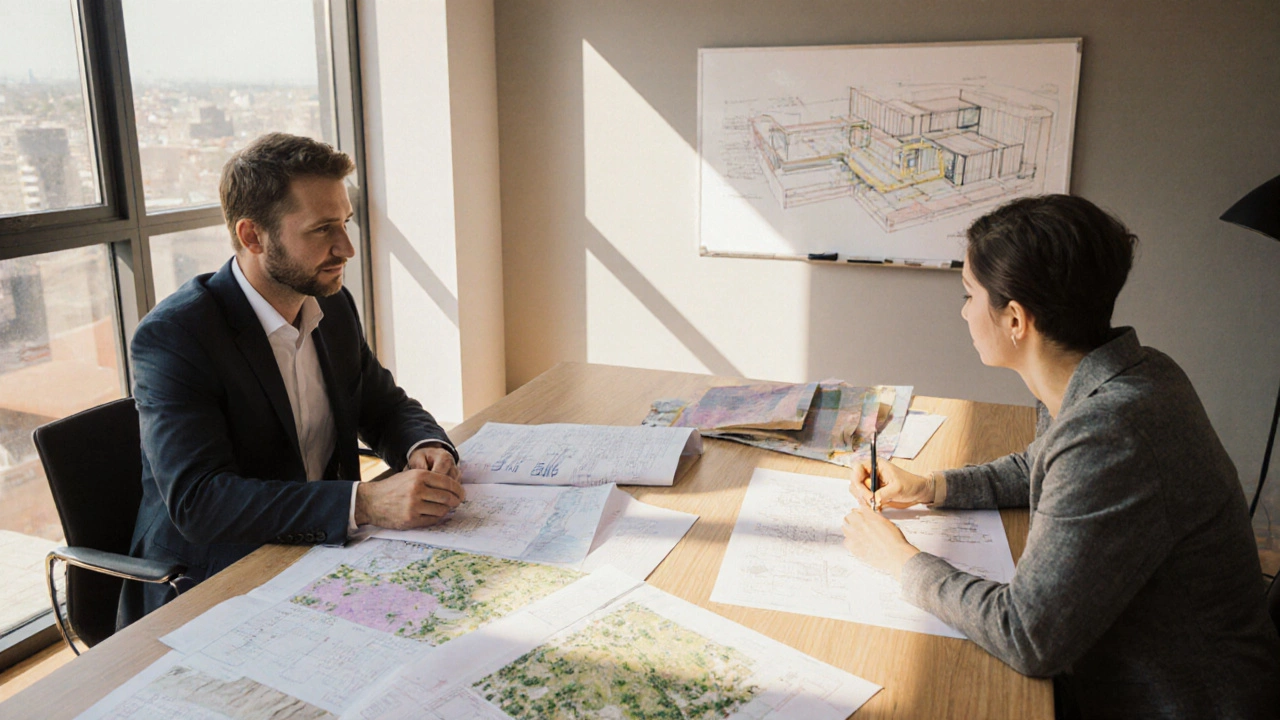
Explore what architectural services cover, from concept to construction, their phases, costs, and how to choose the right architect for any project.
When planning building design, the process of shaping a structure’s layout, aesthetics, and functionality. Also known as architectural planning, it guides everything from the base to the finishing touches. A solid grasp of architectural services, the suite of professional tasks that move a concept from sketches to a built reality helps avoid costly changes later. Choosing the right flooring, the surface covering that affects durability, comfort, and style early on can influence room flow and resale value. Likewise, understanding foundation, the structural base that supports the entire building prevents settlement problems. Finally, integrating interior design, the art of arranging spaces, colors, and furnishings ensures the finished space feels cohesive.
Building design isn’t just about looking good; it demands a clear sequence of decisions. First, concept design sets the vision, then schematic design translates ideas into rough plans. Design development refines those sketches into detailed drawings, and finally construction documents provide the exact specifications for builders. Each stage requires material selection, and material selection, in turn, influences structural engineering, energy performance, and maintenance costs. Skipping any step often leads to mismatched components or budget overruns.
Flooring choices illustrate how design decisions ripple through a project. Hardwood adds warmth but needs proper subfloor preparation; stone offers durability but can raise installation costs. The selected floor type dictates underlayment, moisture barriers, and even lighting choices, because lighter surfaces reflect more light, making rooms feel larger. Pairing floor material with interior design themes—like pairing sleek tiles with minimalist décor—creates a harmonious visual flow.
Foundation work is the hidden backbone of any structure. A well‑designed foundation accommodates soil conditions, load distribution, and future settlement. When designers account for potential movement early, they can integrate expansion joints and proper reinforcement, reducing the risk of cracks later. Understanding local geology and using correct footings also helps meet building codes, which vary by region and directly affect design approvals.
Interior design shouldn’t be an afterthought. Color palettes, furniture layout, and lighting plans all stem from the original building design layout. For instance, open‑plan designs benefit from flexible lighting zones, while compartmentalized spaces may require focused accent lighting. Selecting décor that complements the flooring and wall finishes reinforces the overall aesthetic and improves resale appeal.
Sustainability is now a core pillar of building design. Energy‑efficient envelopes, low‑VOC paints, and renewable flooring materials lower operating costs and meet tightening regulations. Designers who integrate passive solar orientation, proper insulation, and high‑performance windows create healthier, cheaper‑to‑run homes. These eco‑friendly choices also influence the selection of architectural services, as specialists in green building become essential partners.
Budgeting and timeline management tie every element together. Accurate cost estimates for architectural services, foundation work, flooring, and interior finishes prevent surprise expenses. Tools like material calculators and phased schedules help owners track progress and allocate resources wisely. Clear communication among designers, engineers, and contractors ensures that the original vision stays on track from concept to handover.
Below you’ll find a curated collection of articles that dive deeper into each of these topics. From color coordination for curtains to low‑maintenance flooring options, the posts cover practical tips, cost guides, and design inspiration to help you turn a solid building design plan into reality.
Explore what architectural services cover, from concept to construction, their phases, costs, and how to choose the right architect for any project.