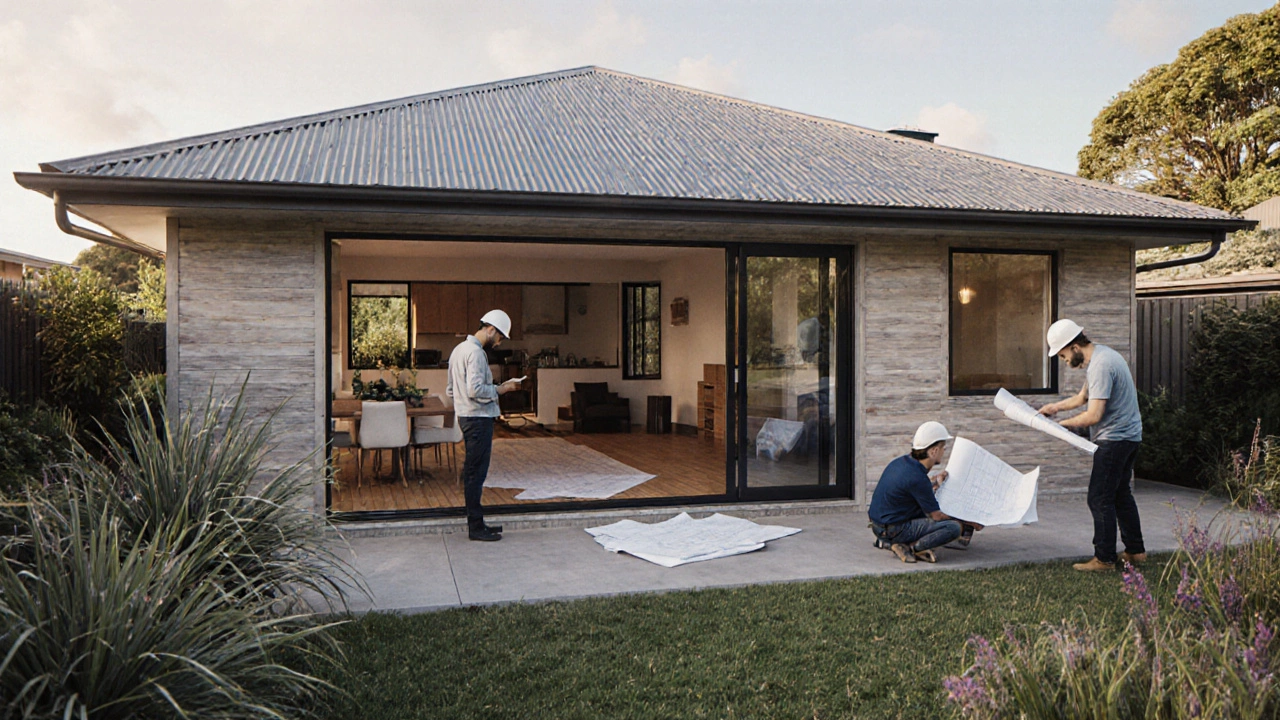
Find out how much a house extension costs in New Zealand in 2025, including breakdowns for materials, permits, labour, and hidden fees. Learn how to save money and avoid common mistakes.
When you add a room to house, a structural expansion that increases usable living space without moving. Also known as a home extension, it’s one of the smartest ways to grow your home without relocating. Unlike buying a bigger house, this lets you keep your neighborhood, your yard, and your memories—while gaining square footage that fits your life right now.
Most people who add a room to house, a structural expansion that increases usable living space without moving. Also known as a home extension, it’s one of the smartest ways to grow your home without relocating. don’t realize how much house expansion, the process of physically enlarging a home’s footprint through additions or outbuildings depends on your foundation, local building codes, and what you’re adding. A sunroom? Different rules than a full bedroom with a bathroom. A basement conversion? That’s a whole different ballgame than building up or out. You need to know if your soil can handle the extra weight, if your electrical panel can support new outlets, and if your zoning allows it. Skipping these checks leads to delays, fines, or worse—having to tear it down.
Room addition cost, the total expense of extending a home, including materials, labor, permits, and design fees varies wildly. In the UK, a simple 12x12ft bedroom addition with basic finishes runs £25,000–£40,000. Add a bathroom? That’s another £8,000–£15,000. If you’re building over a garage or attaching to an existing wall, you’ll save on foundation work—but you’ll still need structural engineers, surveyors, and maybe even a party wall agreement if you’re near a neighbor’s property. The cheapest way? Use existing space like a loft or porch. The most expensive? Building a second story on an old foundation that wasn’t designed for it.
You don’t need to hire an architect for every small project, but you do need clear plans. Even a basic layout drawn to scale helps contractors give accurate quotes. Think about how the new room connects to the rest of the house—doorways, lighting, heating, and airflow. A room that feels like an afterthought is worse than no room at all. And don’t forget storage. People forget storage until it’s too late.
Some homeowners try to DIY room addition, a homeowner-led project to extend their living space without professional contractors to save money. It’s tempting. But unless you’ve built before—really built—this is where things go sideways. Plumbing, electrical, framing, insulation, and load-bearing walls aren’t YouTube tutorials. One mistake can crack your foundation, leak your roof, or make your home uninsurable. Most insurance companies won’t cover unpermitted work. That’s not a risk worth taking.
What you’ll find below are real examples of how people in the UK added space to their homes—without blowing their budget or their sanity. From converting a garage into a home office, to adding a bedroom above a porch, to expanding a kitchen into the backyard, these aren’t luxury makeovers. They’re practical, budget-aware, and built to last. You’ll see what worked, what didn’t, and what you should never skip—even if you’re doing it yourself.
Find out how much a house extension costs in New Zealand in 2025, including breakdowns for materials, permits, labour, and hidden fees. Learn how to save money and avoid common mistakes.