Builder vs Construction Company: Which One Should You Hire?
Project Hiring Assistant: Builder vs. Construction Company
Answer a few questions about your project to find out which type of professional is the right fit for your needs.
1. What is the primary nature of your project?
2. How much administrative support do you need?
3. What is your primary priority for this build?
Our Recommendation:
The Independent Builder
- Lower overhead costs
- Hands-on, personal management
- Focus on craftsmanship
The Construction Company
- Corporate insurance & redundancies
- Systematic project management
- Handles complex legal/permits
The Big Confusion: Who Actually Does the Work?
You have a plot of land or a crumbling extension, and you know you need a professional. But as you scroll through Google or ask neighbors, you see two terms being thrown around interchangeably: builders and construction companies. On the surface, they both build things. But if you hire the wrong one, you might find yourself with a project manager who never picks up a hammer, or a skilled craftsman who is completely overwhelmed by the paperwork of a city permit.
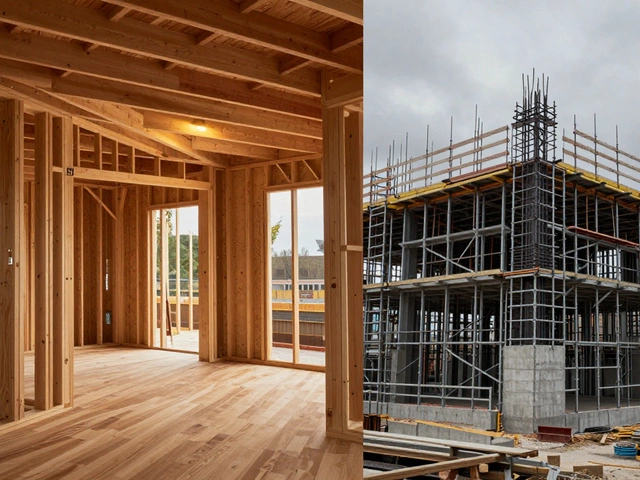
The core difference isn't just the size of the team; it's the builder vs construction company distinction in terms of scope, liability, and management. A builder is often the person doing the physical work or managing a small crew. A construction company is a corporate entity that manages the entire ecosystem of a project, from legal compliance to multi-trade coordination.
Before you sign a contract, you need to know if your project requires a specialist with a tool belt or a firm with a boardroom. Choosing wrong can lead to budget blowouts or, worse, a project that stalls because the person you hired doesn't have the legal standing to pull a commercial permit.
What Exactly is a Builder?
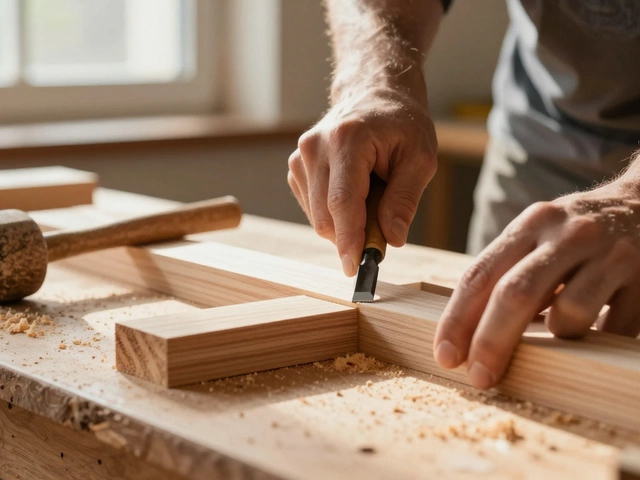
Builder is a skilled tradesperson or a small business owner who specializes in the physical construction of a structure. In many regions, they are often referred to as owner-builders or residential contractors. They are the "boots on the ground." If you need a new deck, a kitchen remodel, or a small custom home, a builder is usually your best bet because they have a direct hand in the quality of the craft.
Most builders operate as sole traders or have a small team of a few employees and a rotating list of trusted subcontractors. Their value lies in their technical expertise. They know exactly how the timber should be joined and how the concrete should be poured. However, their administrative capacity is usually limited. They might struggle with complex procurement for a 50-unit apartment block because they are too busy managing the actual build on-site.
For a homeowner, hiring a builder feels more personal. You're dealing with the person who is actually sawing the wood. The risk? If that builder gets sick or has a personal emergency, the entire project can grind to a halt because there is no corporate structure to step in and fill the gap.
Defining the Construction Company
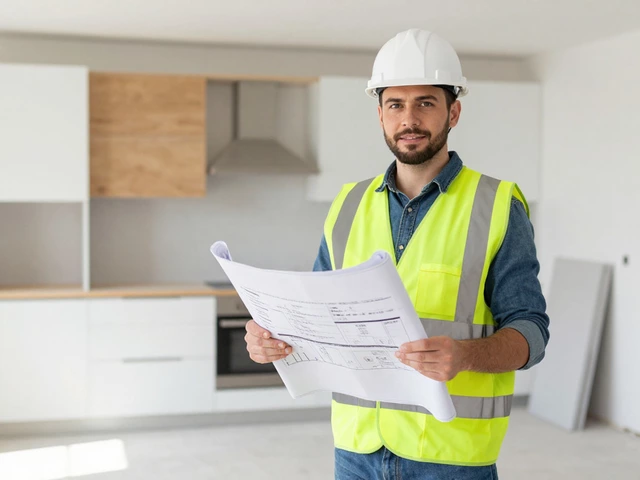
Construction Company is a formal business entity that provides a full suite of construction services, including project management, engineering, and legal compliance. Unlike a standalone builder, a construction company is built for scale. They don't just "build"; they manage the process of building.
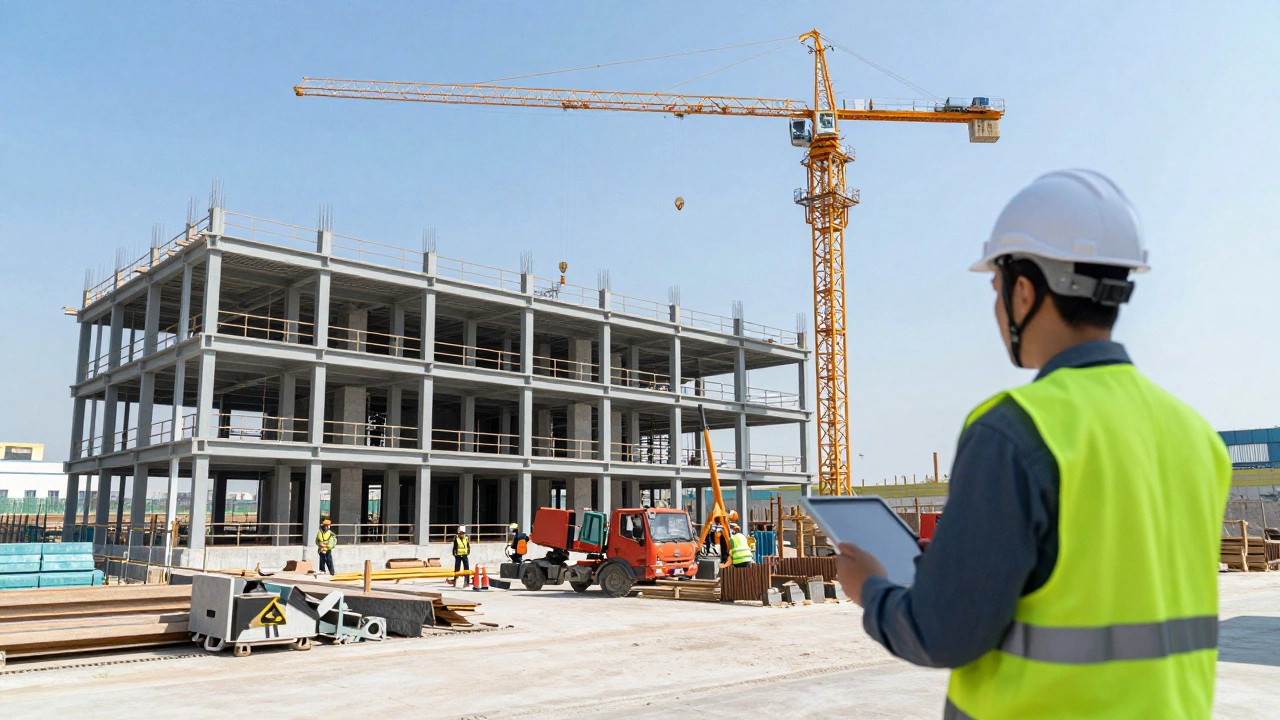
When you hire a firm, you aren't just paying for labor; you're paying for a system. These companies employ full-time project managers, accountants, and safety officers. They often handle Commercial Construction, which involves strict zoning laws, massive budgets, and rigorous safety standards that would crush a small-scale builder.
A construction company typically acts as the prime contractor. They might not actually own the hammers-instead, they hire a network of specialized builders and subcontractors to execute the work. Their primary job is to ensure the project stays on schedule and within budget. If a project manager leaves a large firm, another one is assigned. The machine keeps moving.
Comparing the Two: A Side-by-Side Look
Deciding between the two depends on the complexity of your project. A small home addition is a different beast than a three-story office complex.
| Attribute | Independent Builder | Construction Company |
|---|---|---|
| Project Scale | Small to Medium (Residential) | Medium to Massive (Mixed/Commercial) |
| Management Style | Hands-on, Personal | Administrative, Systematic |
| Risk Mitigation | Dependent on individual's health/status | Corporate insurance and redundancies |
| Cost Structure | Lower overhead, potentially cheaper | Higher overhead, professional fees |
| Primary Focus | Craftsmanship and Execution | Logistics and Compliance |
When to Hire a Builder
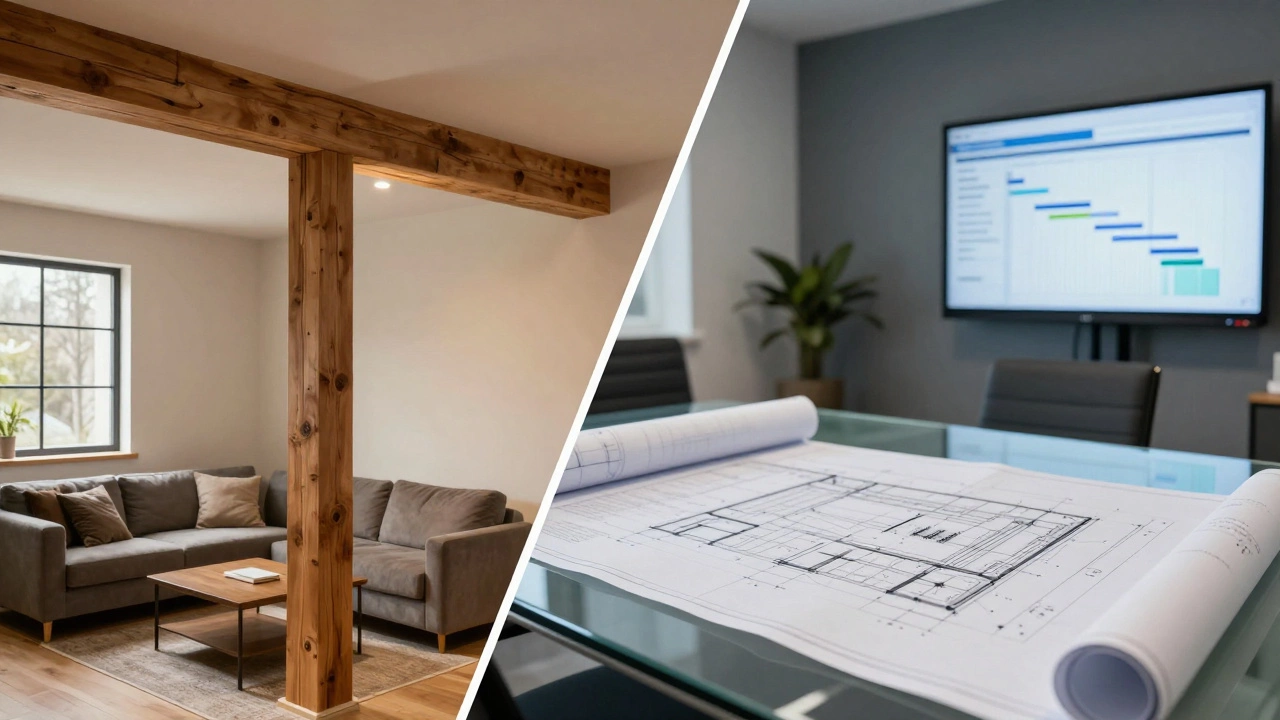
If your project is focused on a specific residence and you want a high level of control over the materials and the finish, go with a builder. They are ideal for projects where the "art" of the build matters as much as the structure. For example, if you're building a custom timber-framed cottage, a builder who specializes in joinery will give you a level of detail a large firm might overlook in the rush to meet a corporate deadline.
You should also choose a builder when your budget is tighter. Because they don't have to pay for a fancy head office, a fleet of company cars, or a full-time HR department, their overhead is lower. This usually translates to lower costs for the client. Just make sure they have the necessary licenses and insurance for your specific region to avoid legal nightmares.
Common scenarios for builders include:
- Bathroom or kitchen renovations.
- Adding a bedroom or a garage to an existing home.
- Small-scale custom residential homes.
- Repairing structural damage in a single-family house.
When to Call a Construction Company
You need a construction company the moment your project involves multiple phases, high-risk safety requirements, or complex legal permits. If you are building a retail strip, a warehouse, or a multi-family dwelling, the administrative burden is too high for a single builder to handle. You need someone who understands Project Management as a science.
Construction companies are also the right choice for those who prefer a "turnkey" experience. They often have established partnerships with architects, engineers, and surveyors. Instead of you having to coordinate between five different specialists, the company handles the integration. They act as the single point of contact, reducing the mental load on the client.
Look for a company if you are dealing with:
- Commercial office spaces or industrial plants.
- Large-scale residential developments (e.g., a 10-unit townhouse complex).
- Projects with strict government deadlines and heavy regulation.
- Builds that require specialized heavy machinery and complex site logistics.
The Hidden Risks: What They Won't Tell You
Every choice has a trade-off. With a builder, the biggest risk is the "single point of failure." If they vanish or go bankrupt, you are left with a half-finished house and no corporate entity to sue or hold accountable. Check their references carefully. Ask for the names of three previous clients and actually call them to ask if the builder finished the job on time.
With a construction company, the risk is "depersonalization." You might be assigned a junior project manager who is overseeing ten other sites. Your project becomes a line item on a spreadsheet. You may find that the quality of the finish is standard but not exceptional, as they rely on the cheapest qualified subcontractors to maximize their profit margins.
Another pitfall is the cost of "change orders." Because construction companies have rigid contracts and structured budgets, any small change you make mid-build (like moving a light switch or changing a tile color) can trigger a formal change order process that adds unexpected fees and delays.
Can a builder also be a construction company?
Yes. Many builders start as sole traders and eventually grow their business. As they hire more staff, implement formal project management software, and take on larger commercial contracts, they transition from being a "builder" to a "construction company." The difference is mainly in the scale of operations and the organizational structure.
Who is cheaper: a builder or a construction company?
Generally, an independent builder is cheaper because they have significantly lower overhead costs. They don't have to pay for corporate office space or a large administrative staff. However, for very large projects, a construction company might actually be more cost-effective due to their bulk buying power with material suppliers.
Do I need different insurance for each?
The insurance requirements are similar-both should have general liability and workers' compensation. However, construction companies often carry much higher limits of liability insurance, which is required for commercial sites. Always ask for a current certificate of insurance before any work begins on your property.
Which one handles the permits?
Both can handle permits, but a construction company typically has a dedicated person or department for this. For simple residential projects, a builder is perfectly capable of managing permits. For complex commercial builds involving zoning changes and environmental impact studies, a construction company is better equipped.
How do I know if I'm talking to a builder or a company?
Look at how they communicate. A builder will often talk about the specific techniques they'll use and may be the one visiting the site every day. A construction company representative will likely talk about milestones, Gantt charts, and project timelines, and they will introduce you to a separate site supervisor who manages the daily work.
Next Steps for Your Project
If you're still unsure, start by defining your project's scope. Write down every single thing you want changed or built. If that list is mostly about aesthetic improvements and small additions to a home, start by interviewing three local builders. Ask for their portfolio of similar residential work.
If your project involves a commercial space, a budget over a certain threshold (typically $500k+ depending on your area), or requires complex engineering, skip the sole traders and look for a registered construction firm. Request a case study of a project similar in scale to yours to see how they handled the logistics and timing.
Regardless of who you pick, never pay the full amount upfront. Use a milestone-based payment schedule: a small deposit to start, and then payments tied to specific, verified completions (e.g., 20% after the foundation is poured, 20% after framing is complete). This keeps the builder or company motivated to finish the job on time.