Is La-Z-Boy Made in China? A Guide to Manufacturing Locations
La-Z-Boy Origin & Quality Estimator
Not sure where your chair comes from or if it's worth the price? Answer these questions to get an instant assessment of its likely origin and value proposition.
Likely Tier
Standard
Value Assessment
Fair
Durability Estimate
Moderate
You walk into a furniture store, spot that familiar La-Z-Boy recliner, and ask the salesperson where it was built. The answer isn't always straightforward. For decades, this brand has been synonymous with American comfort, but the reality of modern furniture production is far more complex than a simple "Made in USA" label suggests. If you are worried about quality control or ethical sourcing, understanding where your chair actually comes from matters.
The short answer is: it depends on the model. While some La-Z-Boy pieces are still assembled in the United States, a significant portion of their lineup-including many popular power recliners-is manufactured overseas, often in China or other countries like Vietnam and Mexico. This shift mirrors what happened in the auto industry years ago. It’s not necessarily bad, but it changes how you evaluate value versus price.
The Reality of Global Manufacturing
Furniture companies rarely build everything in one place anymore. La-Z-Boy Incorporated operates as a global entity with factories across North America and Asia. They have facilities in Michigan, Tennessee, and Mississippi, but they also rely heavily on contract manufacturers abroad. Why? Cost efficiency and labor availability. Building a high-end leather recliner by hand in Grand Rapids, Michigan, costs significantly more than assembling similar frames in Guangdong, China.
This doesn’t mean the Chinese-made chairs are inferior junk. In fact, many Asian factories use machinery and processes identical to those in US plants. The difference often lies in the materials used for lower-tier models. When a company outsources, they might specify cheaper fabrics or thinner plywood to hit a specific retail price point. That’s the real trade-off: you aren’t just buying a location; you’re buying a material specification tied to that location.
How to Check Your Specific Recliner
Don’t trust the marketing brochure alone. You need to look at the product itself. Here is exactly where to look:
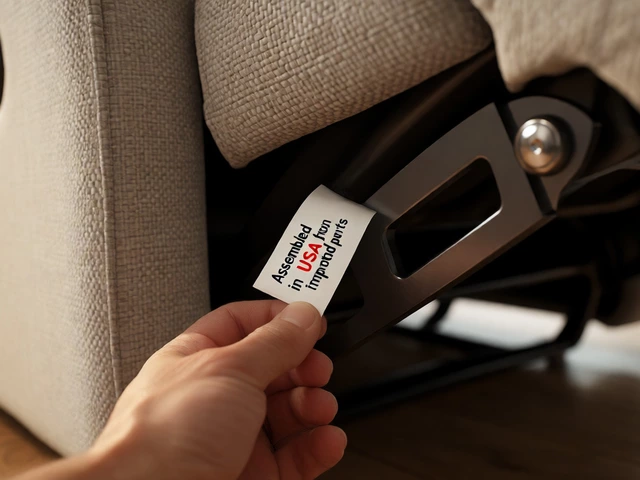
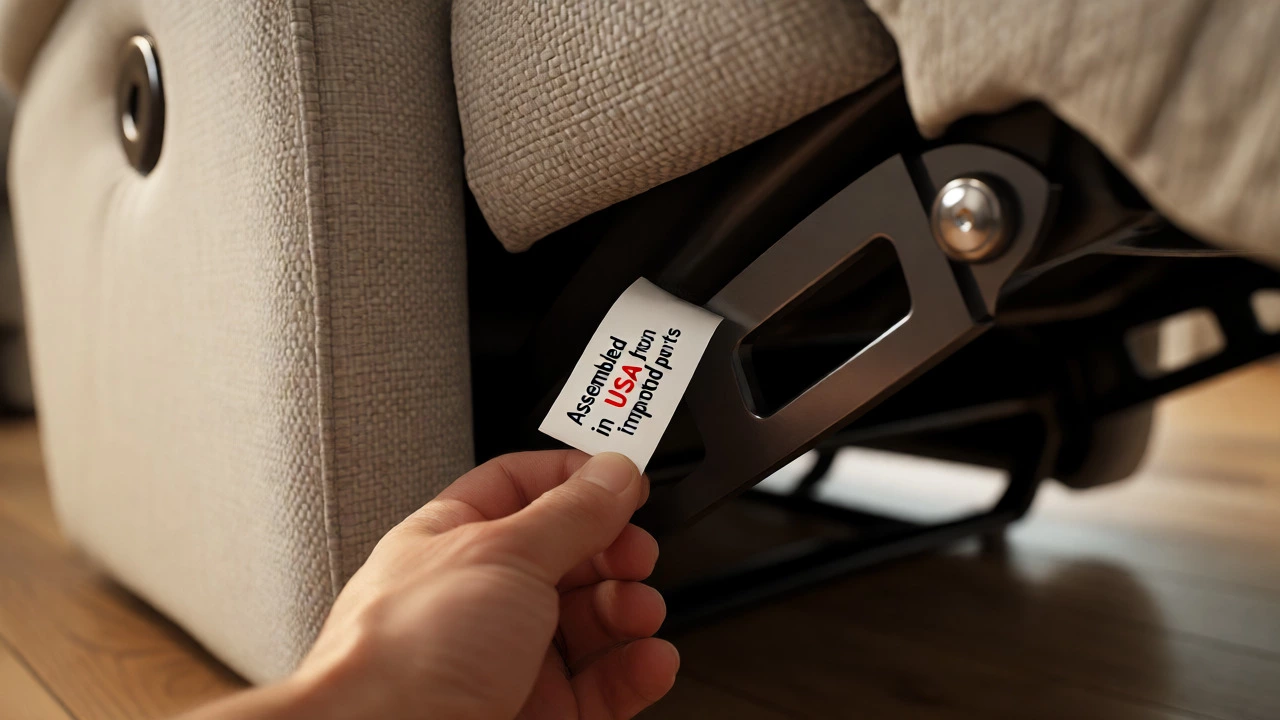
- The Tag Underneath: Flip the recliner over. Look for a sewn-in tag near the base mechanism. It usually states "Assembled in USA from imported parts" or "Made in China." This is the legal requirement under Federal Trade Commission (FTC) rules.
- The Mechanism Stamp: High-quality steel mechanisms often have a manufacturer stamp. If you see names like Okamura or specific US-based hardware brands, it hints at higher-grade components, regardless of final assembly.
- Model Numbers: Ask the retailer for the SKU. Cross-reference it on the official La-Z-Boy website. Sometimes the product description explicitly lists the country of origin, though this info can be buried deep in the specs tab.
If the tag says "Assembled in USA," pay close attention. This means the frame might be welded here, but the fabric, foam, and wood could all be imported. Is that bad? Not if the assembly standards are strict. But if you want fully domestic production, you need to dig deeper.
Quality Differences: US vs. Overseas Production
Let’s be honest about the differences. There is a perceived stigma around Chinese manufacturing, but in the furniture world, the gap has narrowed considerably. However, there are tangible distinctions between their US-built lines and their offshore imports.
| Feature | US-Made Models | Overseas-Made Models (China/Vietnam) |
|---|---|---|
| Price Point | Higher ($1,500+ typical) | Lower ($800-$1,400 typical) |
| Materials | Often premium hardwoods, top-grain leathers | Engineered woods, bonded leathers, synthetic fabrics |
| Customization | High (fabric choices, size adjustments) | Limited (standard catalog options only) |
| Lead Time | Longer (6-12 weeks due to local demand) | Shorter (often stocked in warehouses) |
| Warranty Support | Direct factory support common | Support handled via distributor network |
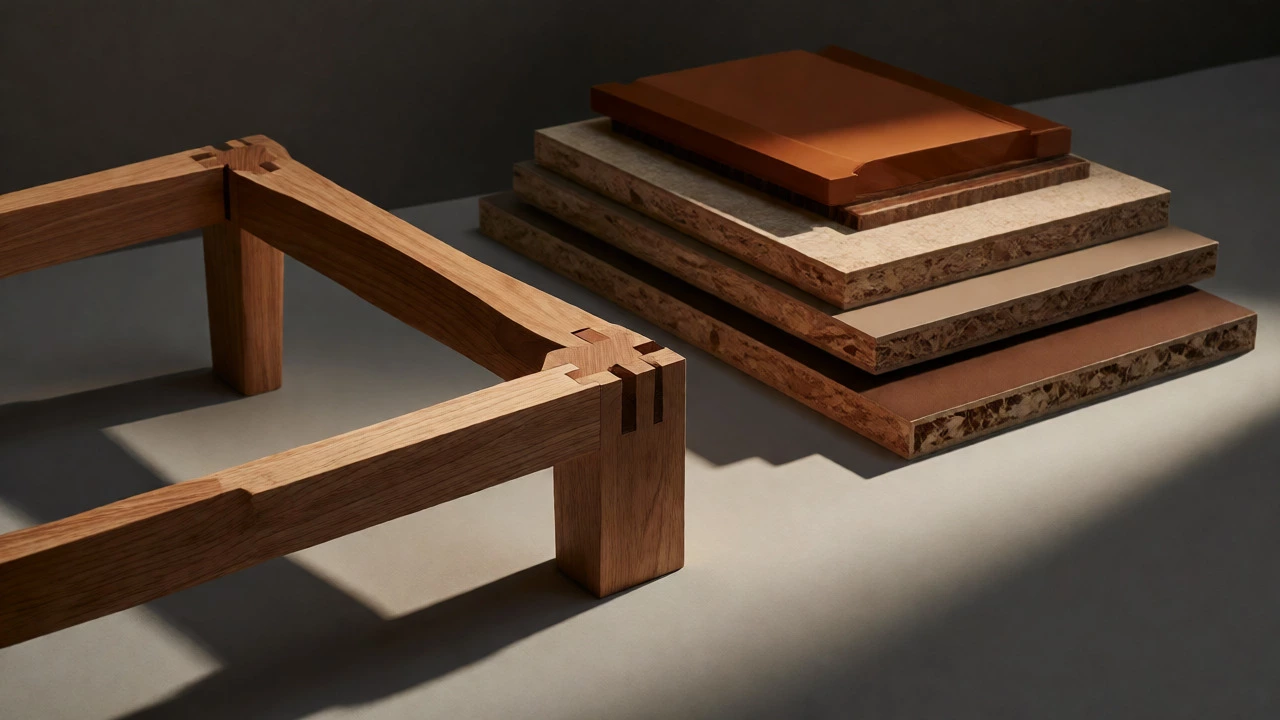
The biggest red flag isn’t the country code-it’s the material spec. A "Made in USA" chair using particleboard cores will fail faster than a "Made in China" chair using kiln-dried hardwood frames. Always prioritize the construction method over the geographic label.
Why Brands Shift Production
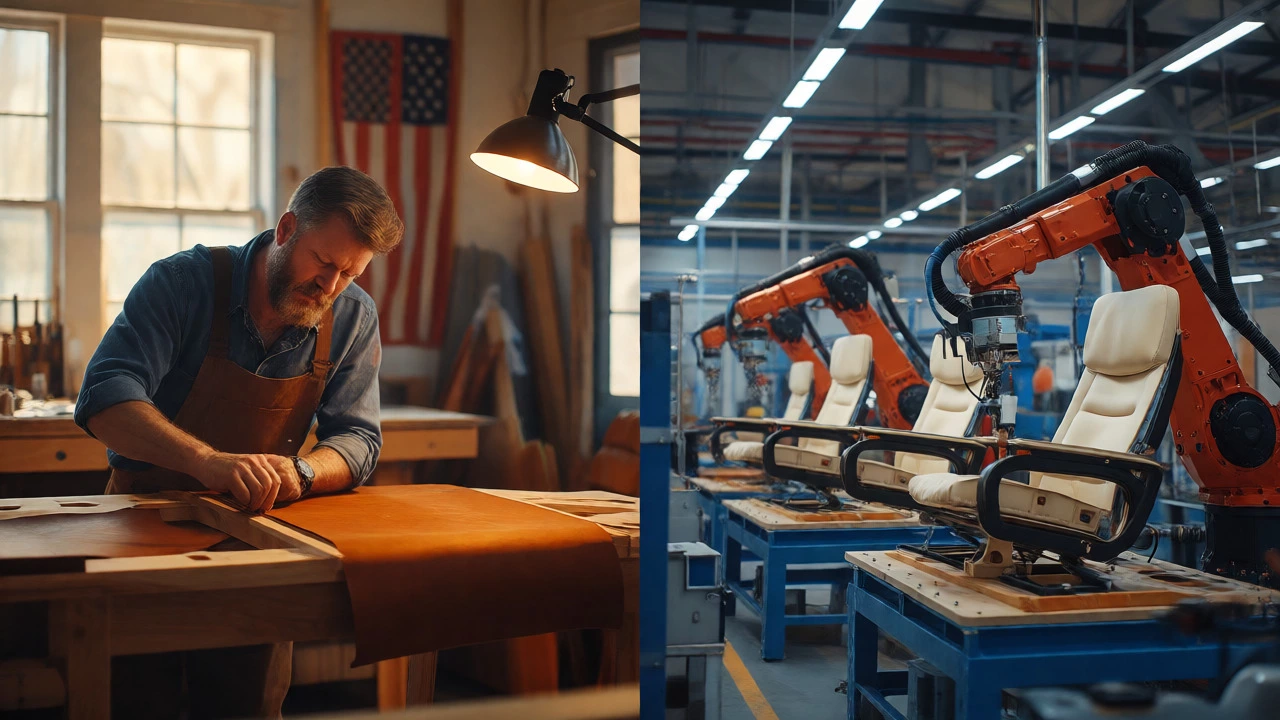
You might wonder why a heritage brand would move away from its roots. It’s purely economic. Labor costs in the US have risen sharply. To compete with budget retailers like IKEA or Wayfair, La-Z-Boy had to offer entry-level prices. They couldn’t do that with unionized labor in Michigan paying $30 an hour. So, they split their portfolio.
They keep their luxury lines-like the La-Z-Boy Signature Series-in domestic factories to maintain the "American Craftsmanship" premium. Meanwhile, their mass-market models get shipped from Shenzhen or Ho Chi Minh City. This strategy allows them to capture both ends of the market without diluting their brand entirely.
What This Means for Your Wallet
If you are shopping now, decide what you value most. Are you paying for the story of American labor, or are you paying for durability?
If you buy an overseas-made La-Z-Boy, inspect the stitching closely. Factory workers in high-volume plants sometimes rush seams. Check the back of the chair-if it looks messy or uses cheap dust covers, that’s a sign of cost-cutting. Conversely, US-made chairs often feature better detailing because the workers have more time per unit. But remember, a well-managed Chinese factory produces consistent quality too. The variance comes from batch-to-batch inconsistencies in imported goods.
Also, consider shipping. Imported furniture sits in containers for weeks before hitting a warehouse. This can affect adhesives and foams if stored improperly. Domestic products generally have fresher inventory turnover.
Beyond La-Z-Boy: The Industry Standard
La-Z-Boy isn’t unique here. Almost every major furniture brand, including Ashley Furniture and Ethan Allen, sources globally. Even brands advertising "Handcrafted in America" often import their raw materials. The term "Made in USA" legally requires only 70% of final assembly and processing to occur domestically, with negligible foreign content. It’s a loose definition.
So when you see a competitor claiming superior origin, ask for proof. Request the bill of materials breakdown. Most won’t provide it, which tells you they are likely hiding a mixed supply chain. La-Z-Boy is relatively transparent compared to others, but transparency varies by retailer. Big-box stores often don’t know the exact factory origin of individual SKUs.
Final Verdict: Should You Care?
Does it matter if your La-Z-Boy is made in China? Only if you equate price with quality. If you find a great deal on a power recliner made in Vietnam, and the warranty is solid, take it. The mechanical parts are standard across the industry. The motors and gears are often sourced from the same suppliers regardless of final assembly location.
However, if you want heirloom-quality furniture that lasts 20+ years, stick to the US-assembled lines with hardwood frames. Avoid the "value" collections unless you plan to replace them in 5-7 years. The origin label is a proxy for material quality, not a guarantee of craftsmanship. Use it as one data point, not the whole decision.
Are all La-Z-Boy recliners made in China?
No. La-Z-Boy manufactures products in multiple countries, including the United States, China, Vietnam, and Mexico. Their higher-end models are typically assembled in US facilities, while budget-friendly models are often produced overseas to reduce costs.
How can I tell if my La-Z-Boy is made in the USA?
Check the tag underneath the recliner base. It should state the country of origin. Note that "Assembled in USA" may mean components were imported. For definitive confirmation, contact La-Z-Boy customer service with your model number.
Is Chinese-made furniture lower quality?
Not necessarily. Many Chinese factories produce furniture for high-end Western brands using strict quality controls. However, lower-cost models may use cheaper materials like engineered wood instead of solid hardwood, which affects longevity more than the assembly location does.
Does La-Z-Boy have factories in New Zealand?
No, La-Z-Boy does not manufacture in New Zealand. Products sold in NZ are imported, primarily from Australia, China, or the USA, depending on the specific distributor and model line available locally.
Which countries make the best La-Z-Boy recliners?
USA-made models generally offer the highest customization and material quality. Vietnamese and Chinese factories often provide good value for money with reliable mechanical performance. The "best" choice depends on whether you prioritize low price or long-term durability.