Build vs Buy New Home: Cost Comparison Guide
Build vs Buy New Home Cost Estimator
Estimate the true financial difference between managing your own construction project and purchasing a finished new home. Adjust the sliders to match your local market conditions.
Estimated Totals
Verdict
Result description goes here.
| Item | Custom Build | New Build |
|---|---|---|
| Land Cost | - | Included |
| Construction Base | - | Embedded |
| Site Works | - | Included |
| Prof. Fees | - | Minimal |
| Holding Costs | - | ~$500 (Closing) |
| Developer Premium | N/A | - |
| Total | - | - |
Imagine you have $800,000 sitting in your bank account. You want a modern, four-bedroom family home with a deck that overlooks the garden. Do you walk into a display home sales office and sign for a finished product? Or do you buy a section, hire an architect, and start pouring concrete? This is the classic build vs buy dilemma, and it’s not just about sticker price. It’s about time, risk, control, and hidden fees that don’t show up on the brochure.
Most people assume building is always cheaper because you avoid the developer’s profit margin. But that’s a dangerous oversimplification. In many markets, especially where land is expensive or labor shortages are common, buying a completed new build can actually save you money-and a lot of stress. Let’s break down the real numbers so you can decide which path fits your life.
The Hidden Costs of Building From Scratch
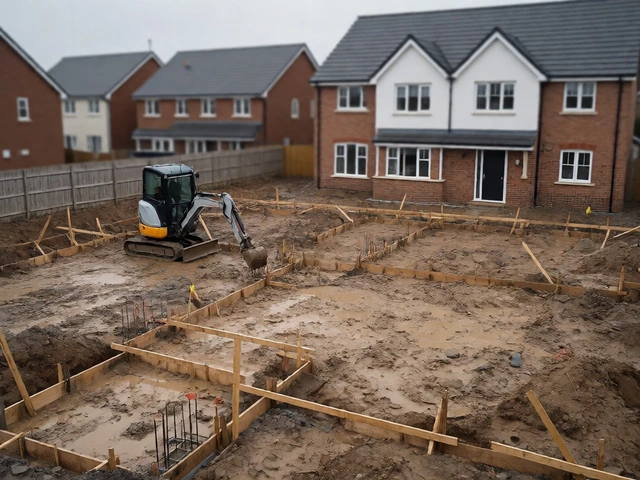
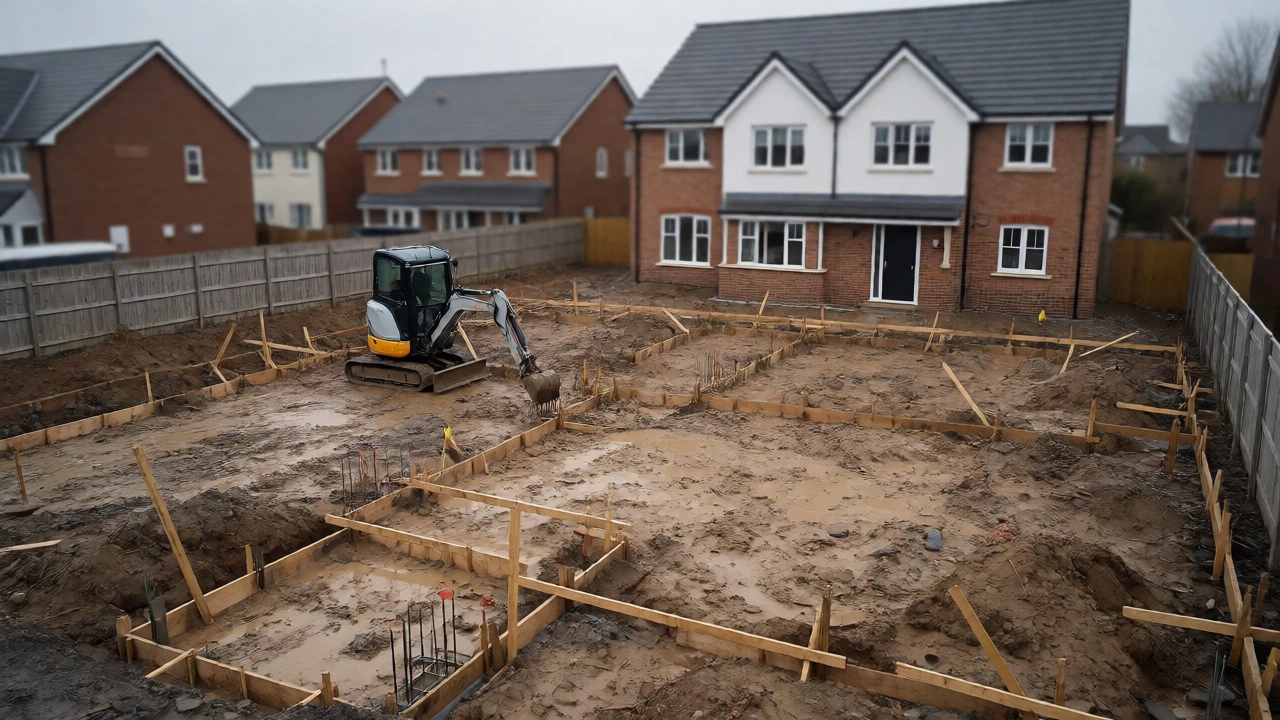
When you choose to build, you aren’t just paying for bricks and timber. You’re paying for the entire ecosystem required to make those materials stand up. The base construction cost might look competitive, but the total project cost includes site works, professional fees, and contingency buffers that often catch first-time builders off guard.
Consider site preparation. If your chosen plot has clay soil, requires retaining walls, or needs significant earthmoving, you could easily add $30,000 to $50,000 to your budget before the house frame even goes up. Then there are the soft costs. Architects charge between 5% and 15% of the build value. Engineers, surveyors, and council resource consents add thousands more. And don’t forget the holding costs-interest on your loan while the house sits incomplete for six to twelve months. That’s real money bleeding out every month.
Contingency is another critical factor. Industry standard suggests setting aside 10% to 15% of the total build cost for unexpected issues. Weather delays, supply chain hiccups, or discovering poor ground conditions mid-build can blow this budget fast. If you’re disciplined enough to manage contractors and stick to a strict scope, you might keep these costs down. But if you change your mind about kitchen tiles halfway through, those changes compound quickly.
The Premium of Convenience: Buying a New Build
Buying a completed new home feels like shopping for a car. You see what you get, you test drive it (walk through it), and you drive away. Developers bundle everything together, including their profit margin, marketing costs, and the risk they took by finishing the house before selling it. This premium typically ranges from 10% to 20% over the raw construction cost.
But here’s why that premium might be worth it: certainty. When you buy a new build, you know exactly what you’re getting. There are no surprise foundation repairs or last-minute material substitutions. You move in immediately, saving on rent or interest payments during the construction phase. Plus, most new builds come with builder warranties. In New Zealand, the Licensed Building Practitioner scheme and specific warranty periods protect buyers against major structural defects for ten years. This peace of mind has tangible financial value if something goes wrong later.
| Cost Component | Custom Build | Developer New Build |
|---|---|---|
| Land Purchase | Variable (Market Price) | Included in Sale Price |
| Construction Base | $2,500 - $3,500 per sqm | Embedded in Price |
| Site Works & Earthworks | $20k - $60k+ (Owner Paid) | Usually Included |
| Professional Fees | $15k - $40k+ | Minimal / None |
| Time to Move In | 9 - 18 Months | Immediate / Few Weeks |
| Risk Factor | High (Budget Overruns) | Low (Fixed Price) |
Why Land Location Changes Everything
The math shifts dramatically depending on where you live. In Auckland, where we’re based, land values are high. A decent section in a desirable suburb might cost $700,000 alone. Adding a $600,000 house brings the total to $1.3 million. However, developers often buy large tracts of land in bulk, subdividing them efficiently. They can pass some of those economies of scale to you, or conversely, mark them up significantly if the location is prime.
If you’re looking at rural or semi-rural areas, building often wins. Land is cheaper, and you have more flexibility to design a home that suits the landscape without fighting subdivision rules. But in dense urban centers, finding a vacant section suitable for a single-family home is rare and expensive. Often, the only way to "build" in the city is to demolish an existing structure, which adds demolition costs and potential heritage restrictions.
Think about the resale value too. Custom homes can sometimes struggle to appeal to the average buyer if the design is too niche. A developer-built home usually follows mainstream trends-open-plan living, neutral colors, functional layouts. These features appeal to a broader market, making it easier to sell later if you need to move. Unless your custom design is exceptional, you might find yourself competing with cheaper, newer stock nearby.
Time is Money: The Holding Cost Trap
Let’s talk about cash flow. If you’re currently renting while you build, you’re paying double housing costs. Rent plus mortgage interest on the land and construction drawdowns. For a 12-month build, that could be $20,000 to $30,000 in extra expenses. If you buy a new build, you might pay rent for two weeks while you finalize paperwork, then stop. That difference alone can offset a significant portion of the developer’s profit margin.
Furthermore, interest rates fluctuate. Locking in a fixed-rate loan for a long-term build exposes you to refinancing risks if rates drop or rise unexpectedly. Buying a completed home allows you to secure financing based on a known asset value and immediate occupancy, simplifying your financial planning.
Customization vs. Standardization
This is the emotional heart of the decision. Building lets you create a home tailored to your exact needs. Want a pantry that’s actually big enough for bulk groceries? A mudroom that handles muddy boots? You can design it. Buying a new build means accepting someone else’s vision. You might love the kitchen layout but hate the window placement. Changing finishes after signing a contract can be costly or impossible.
However, customization comes with complexity. Every deviation from the standard plan requires engineering adjustments, different material sourcing, and potentially longer lead times. If you’re not an experienced project manager, these small changes can snowball into major delays. Are you willing to spend your weekends arguing with suppliers about tile grout color? If not, the standardized package of a new build might be a blessing in disguise.
Verdict: Who Should Build and Who Should Buy?
There is no one-size-fits-all answer. Your choice depends on your risk tolerance, timeline, and specific goals.
- You should BUILD if: You have a specific block of land you love, you have time to manage the process, you want unique architectural features, and you have a solid 15% contingency fund.
- You should BUY NEW if: You need to move in quickly, you prefer predictable costs, you don’t want to deal with contractors, and you are happy with standard contemporary designs.
For many families in Auckland, the convenience and speed of buying a new build outweigh the potential savings of building. The stress of construction can strain relationships and careers. But for those who dream of a bespoke home and have the patience to nurture it into existence, building remains a rewarding journey.
Is it really cheaper to build a house than to buy one?
Not necessarily. While you avoid the developer's profit margin, you take on all the risks of construction, including budget overruns, delays, and unforeseen site issues. Often, the total cost of building ends up being similar to or higher than buying a comparable new home, especially when you factor in holding costs and professional fees.
How much does it cost to build a house in New Zealand?
As of late 2026, construction costs in New Zealand generally range from $2,500 to $3,500 per square meter for standard residential builds. High-end finishes or complex architectural designs can push this above $4,000 per square meter. This excludes land costs, site works, and professional fees.
What are the biggest risks of building a new home?
The primary risks include budget overruns due to unforeseen site conditions (like bad soil), delays caused by weather or labor shortages, and contractor insolvency. Additionally, changing requirements mid-build can lead to significant cost increases and extended timelines.
Do new builds come with warranties?
Yes, in New Zealand, new builds typically come with a 10-year implied warranty under the Building Act 2004 for major defects. Many developers also offer additional commercial warranties covering minor defects for the first 12 to 24 months. Always check the specific warranty terms provided by the builder.
Can I customize a newly built home before buying?
It depends on the stage of construction. If the home is still under construction, you may be able to negotiate changes to fixtures, fittings, or paint colors. Once the home is completed, customization options are limited to non-structural changes like landscaping or interior decor, as altering the structure would be costly and disruptive.