How to Tell if a Sofa Is High Quality: A Real-World Guide for Corner Sofas
Sofa Quality Checklist
Is This Corner Sofa High Quality?
Use this checklist to evaluate any corner sofa based on the key quality indicators from the article.
Review the results below to understand if this sofa meets quality standards.
Checklist
Buying a corner sofa is a big investment. It’s not just furniture-it’s where you unwind after work, host movie nights, and sometimes even nap on weekends. But too many people end up with a sofa that sags in six months, squeaks every time you shift, or looks worn out before the warranty runs out. The truth? Most sofas sold today are built to last two years, not twenty. So how do you know if you’re getting something that’ll actually hold up?
Check the Frame First-It’s the Skeleton
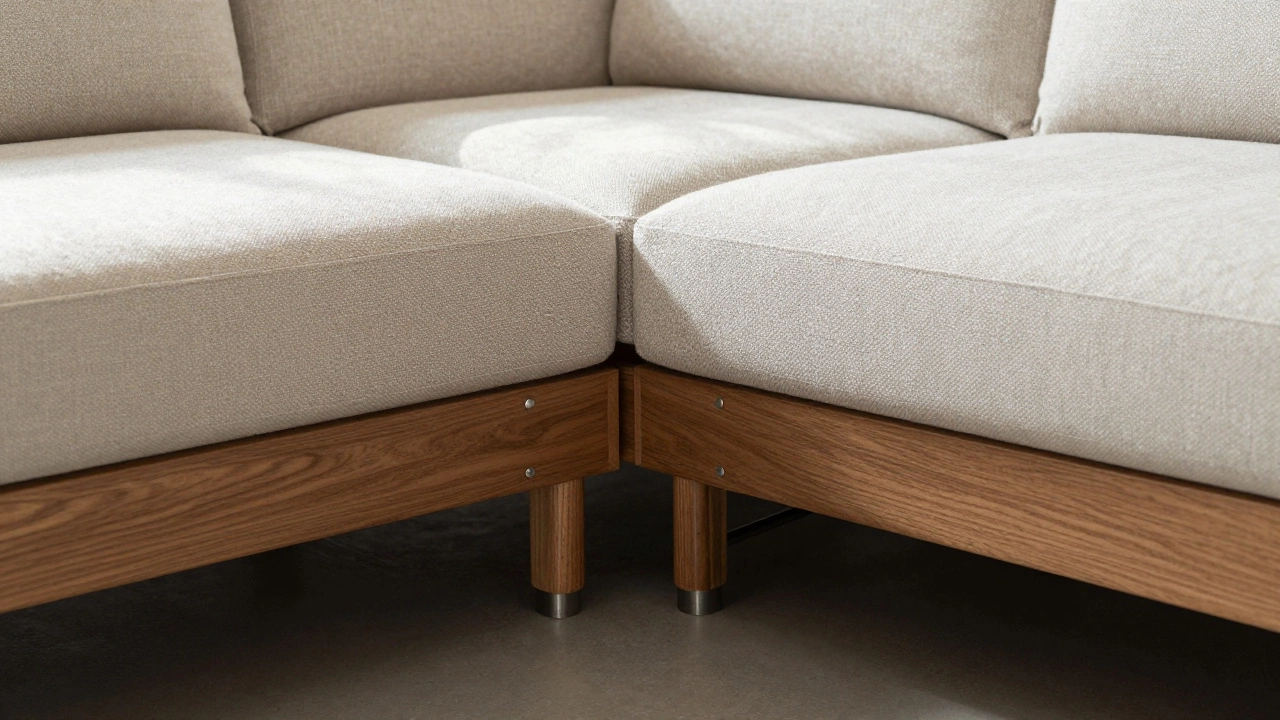
The frame is what holds everything together. If it’s weak, nothing else matters. A high-quality corner sofa uses a solid hardwood frame-think kiln-dried oak, maple, or beech. Avoid anything made with particleboard, plywood, or softwoods like pine. These materials warp, crack, or break under pressure, especially in corner sections where stress is highest.
Look for joints that are glued, screwed, and doweled. No staples. No nails. If you can see the frame from the bottom or back, check for reinforced corners. A well-built frame will have double dowels or mortise-and-tenon joints. These aren’t just fancy terms-they mean the joints actually lock together, not just get held by glue that dries brittle over time.
Here’s a simple test: lift one corner of the sofa. If the whole frame wobbles or twists, walk away. A solid frame won’t flex. It’ll feel rigid, like a piece of furniture built to last decades, not seasons.
Feel the Cushions-Density Is Everything
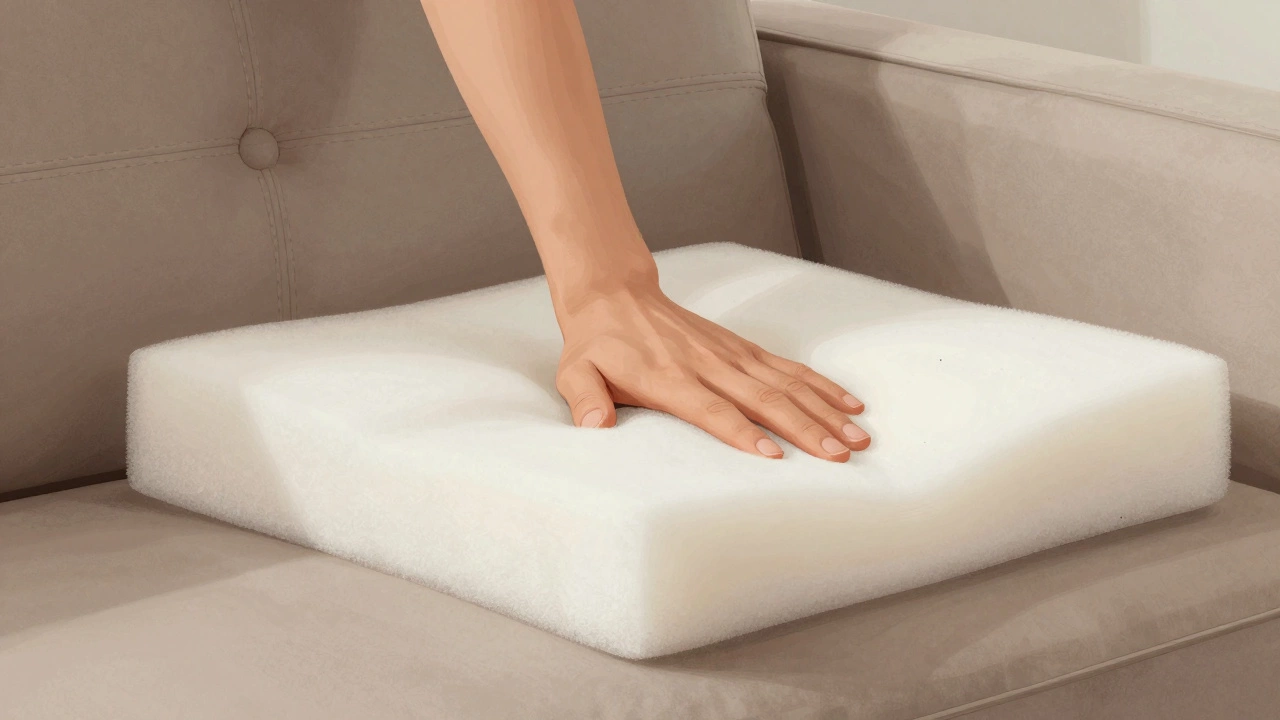
Cushions are where most sofas fail. You sit on them every day. They need to hold their shape. High-density foam is the gold standard. Anything under 1.8 pounds per cubic foot (lb/ft³) will flatten in under a year. Look for cushions labeled 2.0-2.5 lb/ft³. That’s the range professional interior designers use for commercial spaces like hotels and lounges.
Don’t be fooled by thick cushions. A soft, puffy cushion might feel nice at first, but it’ll collapse like a deflated balloon. Press your hand into the seat cushion. If it sinks more than two inches and doesn’t spring back quickly, it’s low quality. High-density foam pushes back with resistance. It feels firm but comfortable-not mushy.
For the back cushions, check if they’re wrapped in down or feather blend. That’s a good sign. Down wraps add softness without losing support. But make sure the foam core is still dense underneath. A sofa with only down cushions will look great for a week, then look like a pile of laundry.
Examine the Fabric-Wear and Tear Won’t Lie
Most people pick a sofa based on color or pattern. That’s fine-but don’t ignore durability. For a corner sofa that gets daily use, you need fabric rated for at least 15,000 double rubs (Martindale test). That’s the industry standard for heavy residential use. Anything below 10,000 is for light use only-think guest rooms, not family living rooms.
Performance fabrics like Crypton, Sunbrella, or Revolution are designed for real life. They resist stains, pet hair, and fading from sunlight. You can wipe them clean with a damp cloth. If the label says “polyester blend” without a rub rating, assume it’s low quality. Polyester alone pills and stretches out fast.
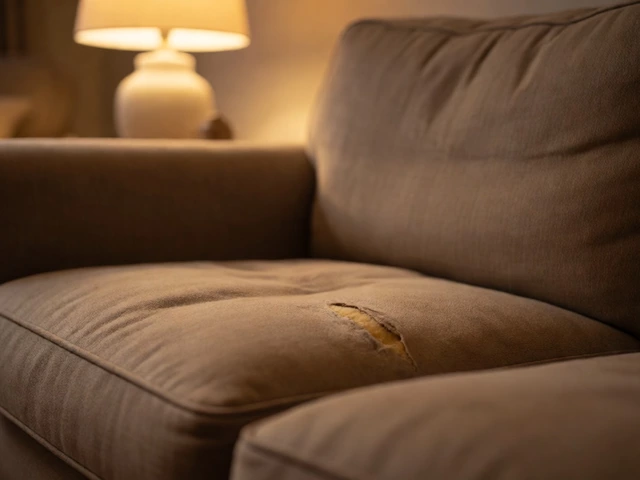
Check the weave. Tight weaves last longer than loose ones. Run your fingers over the fabric. If it feels thin or flimsy, it won’t hold up. Look for double-stitched seams on the cushions and arms. A single seam will unravel after a few months of use.
Test the Mechanism-Corner Sofas Have Moving Parts
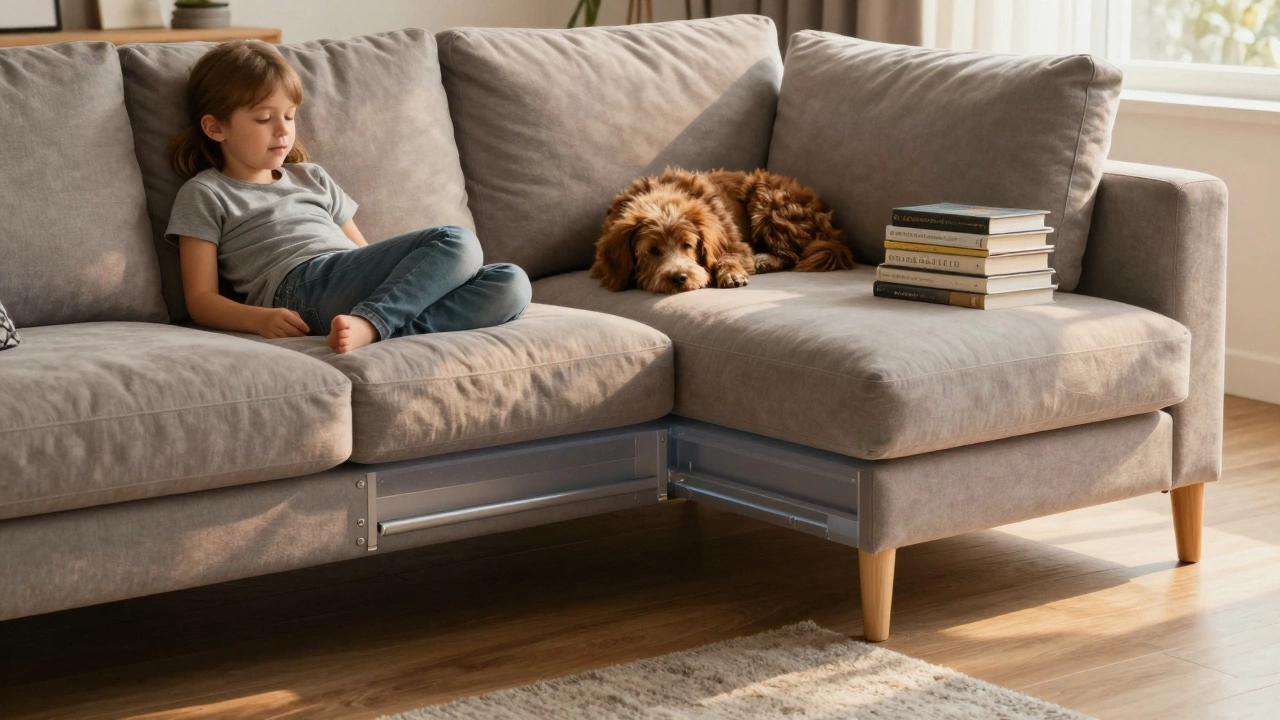
Many corner sofas have recliners, pull-out beds, or adjustable sections. If yours does, test them. Pull out the bed. Open the recliner. Move the chaise. It should glide smoothly, without grinding, sticking, or wobbling. Cheap mechanisms use thin metal or plastic parts that bend or break under weight.
Look for steel frames inside the mechanism, not aluminum or plastic. Steel lasts longer and handles more weight. Check the hinges and sliders. They should be bolted, not just screwed in. A good mechanism will have at least three steel support bars running across the base. If you can’t see them, ask the salesperson to lift the seat cushion and show you.
Also, listen. A high-quality mechanism is quiet. If you hear creaking or clicking with every movement, that’s a red flag. It means parts are rubbing against each other without proper lubrication or alignment.
Look at the Legs and Base-Details Matter
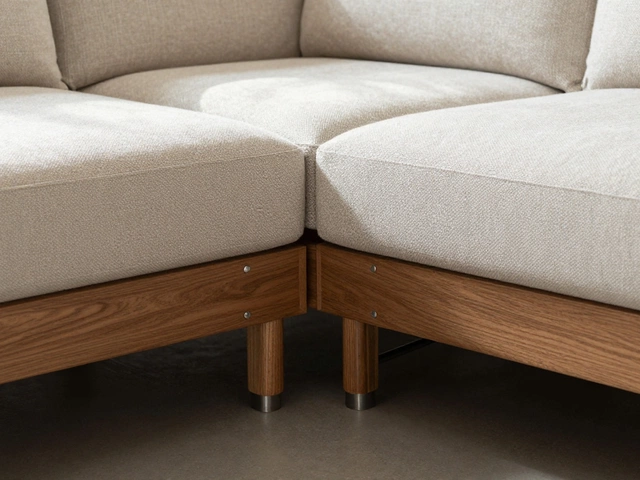
The legs aren’t just for show. On a corner sofa, they bear a lot of weight, especially if the design is asymmetrical. Solid wood legs are best. Avoid plastic or hollow metal legs-they snap or bend under pressure. If the legs are attached with screws only, that’s risky. The best ones are bolted through the frame with metal brackets underneath.
Check the base fabric. Many cheap sofas use thin, cheaply stitched dust covers on the bottom. A quality sofa will have a durable, tightly woven canvas or polyester cover that’s stitched with double thread. It protects the springs and frame from dust and moisture. If the bottom is just bare wood or flimsy cardboard, that’s a sign the manufacturer cut corners everywhere.
Ask About the Warranty-It Tells You What They Believe
A good sofa comes with a warranty that covers more than just defects. Look for at least a 5-year warranty on the frame and mechanism. Some premium brands offer 10-20 years. That’s not marketing fluff-it’s confidence. If a company won’t stand behind the frame for five years, they don’t think it’ll last.
Read the fine print. Some warranties only cover manufacturing flaws, not sagging cushions or fabric wear. That’s useless. You want coverage for structural integrity, cushion compression, and mechanism failure. If the warranty doesn’t mention those, ask for a written copy. Most reputable sellers will give it to you without hesitation.
Also, check if the warranty is transferable. If you ever sell your house, a strong warranty adds value. A 10-year warranty on a sofa is a selling point.
Real-World Signs You’re Getting a Good One
Here’s what a high-quality corner sofa looks like in real life:
- The seat feels supportive but not hard-like a firm mattress, not a beanbag.
- The backrest doesn’t lean backward when you sit down.
- The arms don’t wiggle when you lean on them.
- The fabric doesn’t show shine or thinning after a few months of use.
- The cushions stay plump even after you’ve sat on them for hours.
- The whole sofa doesn’t shift or slide on hardwood floors.
And here’s what to watch out for:
- Loose stitching around the arms or corners.
- Visible staples or nails on the underside.
- Uneven seams or mismatched fabric patterns at the joints.
- A strong chemical smell that won’t fade after a week.
- A price that seems too good to be true-under $1,000 for a full corner set is almost always a red flag.
What You Should Spend
There’s no magic number, but here’s the reality: a truly durable corner sofa costs between $1,800 and $3,500. That’s not cheap. But if you use it daily, that’s less than $100 a year for 15-20 years. A $800 sofa might seem like a bargain, but if it needs replacing in three years, you’re spending $266 a year. Over a decade, you’ll pay more for three cheap sofas than one good one.
Buy once. Buy well. That’s the rule for anything you sit on every day.
Can I trust a sofa labeled as "premium" or "luxury"?
Not necessarily. Those labels mean nothing without proof. Many brands use "luxury" to justify higher prices while still using cheap materials. Always ask for the frame material, cushion density, and fabric rating. If they can’t give you specifics, treat "premium" as a marketing word, not a guarantee.
Is leather better than fabric for a corner sofa?
It depends. Full-grain leather is durable and ages well, but it’s expensive and shows scratches. Top-grain is more common and still good, but avoid bonded or faux leather-they peel and crack within a few years. Fabric can be just as durable if it’s rated for 15,000+ double rubs. For households with pets or kids, performance fabric often outlasts leather.
Should I buy a corner sofa online?
It’s possible, but risky. You can’t test the frame or cushions. Only buy online if the company offers a generous return policy (at least 30 days), free shipping both ways, and detailed specs on frame material, cushion density, and fabric rating. Stick to brands with proven track records-like Stickley, Natuzzi, or local makers with reviews from real customers.
How do I clean a high-quality sofa without damaging it?
For performance fabrics, spot-clean with mild soap and water. Blot, don’t rub. For leather, use a damp cloth and a leather conditioner every 6-12 months. Never use harsh cleaners, bleach, or steam cleaners-they strip protective layers and cause cracking. Always check the manufacturer’s care label first.
Do I need to rotate or flip the cushions?
Yes, every 3-6 months. Even high-density foam will compress unevenly if you always sit in the same spot. Rotating and flipping cushions helps them wear evenly and last longer. It’s a simple habit that adds years to your sofa’s life.
If you’re serious about getting a corner sofa that lasts, don’t rush. Test it in person. Ask the right questions. And remember: the cheapest option isn’t the cheapest in the long run. The best sofa is the one you won’t need to replace for a decade-or longer.