How to Start Interior Design From Scratch: A Beginner's Guide
Interior Design Color Palette Builder
- 60% Dominant: Walls, large rugs, big furniture (Background)
- 30% Secondary: Upholstery, curtains, medium accessories (Depth)
- 10% Accent: Throw pillows, art, lamps (Pop/Energy)
Define Your Colors
Tip: Try starting with a neutral dominant color for best results.
Visual Preview
Room Concept Mockup
*Abstract representation of how colors interact in a space.*
You walk into a room and feel that subtle itch. Something’s off. The lighting is harsh, the furniture feels disjointed, or maybe the walls just scream "unfinished." You want to fix it, but where do you even begin? Buying a new sofa isn’t interior design. That’s shopping. Interior design is the art and science of enhancing the interior of a building to achieve a healthier and more aesthetically pleasing environment for the people using the space. It’s about solving problems with space, light, and function. If you’re starting from scratch, you don’t need a degree. You need a system.
Most beginners fail because they start with the wrong end of the project. They buy a rug because it was on sale, then try to build a room around it. That’s a recipe for disaster. To get this right, you need to shift your mindset from "decorating" to "designing." This means understanding how spaces work before you worry about how they look. Here is how you can take control of your home without hiring a pro or blowing your budget.
Assess Your Space and Needs
Before you open Pinterest or browse IKEA, grab a tape measure and a notebook. Seriously. Most people skip this step and regret it later when their new armchair doesn’t fit through the door or blocks the walkway. You need to understand what you are working with.
Start by measuring every wall, window, and door in the room. Note the ceiling height-this matters more than you think. Low ceilings make heavy, tall furniture feel oppressive, while high ceilings can make small furniture look lost. Next, analyze the traffic flow. Walk through the room as if you were carrying laundry or groceries. Where do you naturally go? Mark those paths. Your furniture should never block these natural highways.
Then, define the function. Who uses this room? What do they do there? A living room for a young family with toddlers needs durable fabrics and rounded corners. A living room for a remote worker might need a dedicated zone for video calls. Write down three non-negotiables. Maybe it’s "must have space for guests," "needs good reading light," or "must hide cable clutter." These constraints will filter out 90% of bad decisions later.
Define Your Style Without Getting Lost
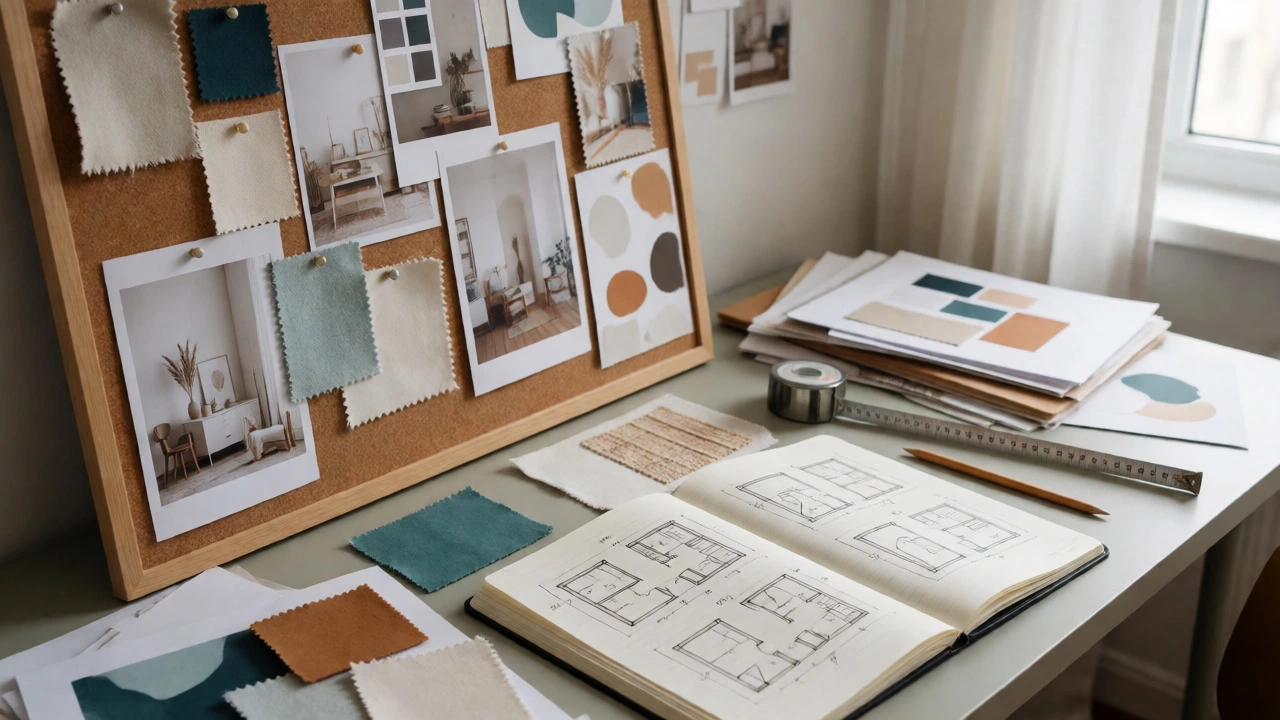
"What is my style?" is the question that paralyzes beginners. You might like Scandinavian minimalism, but also love warm bohemian textures. That’s fine. Style isn’t a rigid box; it’s a vibe. Instead of trying to pick one label, create a mood board. Use tools like Pinterest, Canva, or even a physical corkboard. Pin images that evoke a feeling, not just specific products. Do you crave calmness? Look for muted tones and clean lines. Do you want energy? Look for bold patterns and vibrant colors.
Once you have 15-20 images, look for patterns. Are most of them bright and airy? Or dark and moody? Is there wood everywhere? Metal? Plants? This visual audit reveals your actual preferences, which often differ from what you think you like. For example, many people say they want "modern," but their boards are full of cozy, traditional elements. Recognizing this saves you from buying cold, sterile furniture that makes you feel uncomfortable at home.
| Style | Key Elements | Best For |
|---|---|---|
| Modern | Clean lines, neutral colors, minimal ornamentation | Small spaces, busy lifestyles |
| Scandinavian | Light woods, white walls, functionality, coziness (hygge) | Darker climates, minimalist lovers |
| Industrial | Exposed brick, metal, concrete, open pipes | Lofts, urban apartments |
| Bohemian | Layered textiles, plants, vintage finds, global patterns | Eclectic personalities, relaxed homes |
| Mid-Century Modern | Tapered legs, organic shapes, mustard/teal accents | Those who love retro nostalgia |
Master the Art of Space Planning
Now that you know what you like and what you need, it’s time to arrange the pieces. This is where space planning comes in. It is the process of arranging furniture and fixtures within a space to optimize function and aesthetics. Bad space planning makes a large room feel cramped and a small room feel empty.
Start with the largest piece of furniture, usually the sofa or bed. Place it first. In a living room, anchor the seating area. Don’t push everything against the walls unless the room is very narrow. Floating furniture creates intimacy and better conversation zones. Leave at least 30 inches (76 cm) of walking space between major pieces. If you can’t walk comfortably, it’s too tight.
Consider the focal point. Every room needs one. It could be a fireplace, a TV, a large window, or a statement artwork. Arrange seating so that eyes are drawn to this point. If you have two focal points (like a TV and a fireplace), balance them symmetrically or designate one as secondary. Avoid having competing focal points that fight for attention, like a loud patterned wall behind a busy TV stand.
Build a Cohesive Color Palette
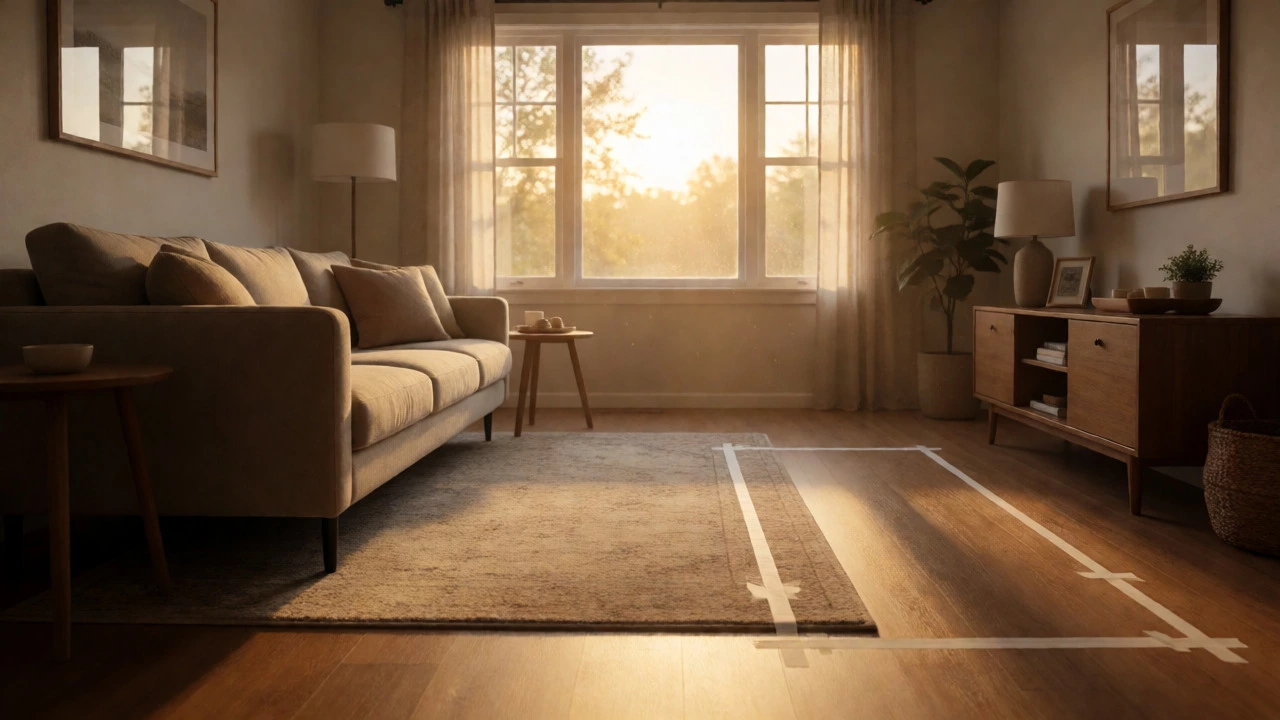
Color is powerful, but it’s also tricky. Beginners often use too many colors or choose shades that clash under artificial light. Stick to the 60-30-10 rule. It’s a classic heuristic that works every time.
- 60% Dominant Color: This covers the walls, large rugs, and big furniture pieces. Choose a neutral or soft tone here. It sets the background.
- 30% Secondary Color: This appears in upholstery, curtains, and medium-sized accessories. It adds depth and contrast.
- 10% Accent Color: This is the pop. Throw pillows, art, lamps, vases. This should be bold and energetic.
Test your colors in the actual room. Paint samples change dramatically depending on the time of day and the direction your windows face. North-facing rooms receive cool, bluish light, making whites look stark. South-facing rooms get warm, golden light, which can turn grays beige. Buy small pots of paint and apply swatches on different walls. Live with them for a few days before committing. Also, consider the flooring. You rarely change floors, so let them dictate the base palette. If you have dark oak floors, a pure white wall might feel too clinical. A warm cream might harmonize better.
Layer Lighting for Atmosphere
If you only have one overhead light, your room will feel flat and uninviting. Good lighting is layered. Think of it in three tiers:
- Ambient Lighting: The general illumination. This is your ceiling fixture or recessed lights. It allows you to see safely.
- Task Lighting: Focused light for specific activities. Reading lamps, under-cabinet kitchen lights, or a desk lamp. This prevents eye strain.
- Accent Lighting: Decorative light that highlights features. Picture lights, uplights behind plants, or LED strips under shelves. This adds drama and depth.
In Auckland, where daylight hours vary significantly, maximize natural light during the day by keeping window treatments sheer or minimal. At night, avoid relying solely on the "big light." Dimmers are your best friend. They allow you to adjust the mood instantly. Warm bulbs (2700K-3000K) create a cozy atmosphere. Cool bulbs (4000K+) are better for kitchens and bathrooms where clarity is needed.
Select Furniture and Textiles Wisely
Furniture is an investment. Don’t rush. When starting from scratch, prioritize quality over quantity. It’s better to have one great sofa and wait six months for a coffee table than to fill the room with cheap, disposable items that wear out in a year.
Check the scale. Measure your furniture before buying. Many online retailers list dimensions, but people ignore them. A "standard" sofa might be too deep for your apartment. Use painter’s tape on the floor to outline the footprint of potential purchases. Walk around it. Does it feel bulky?
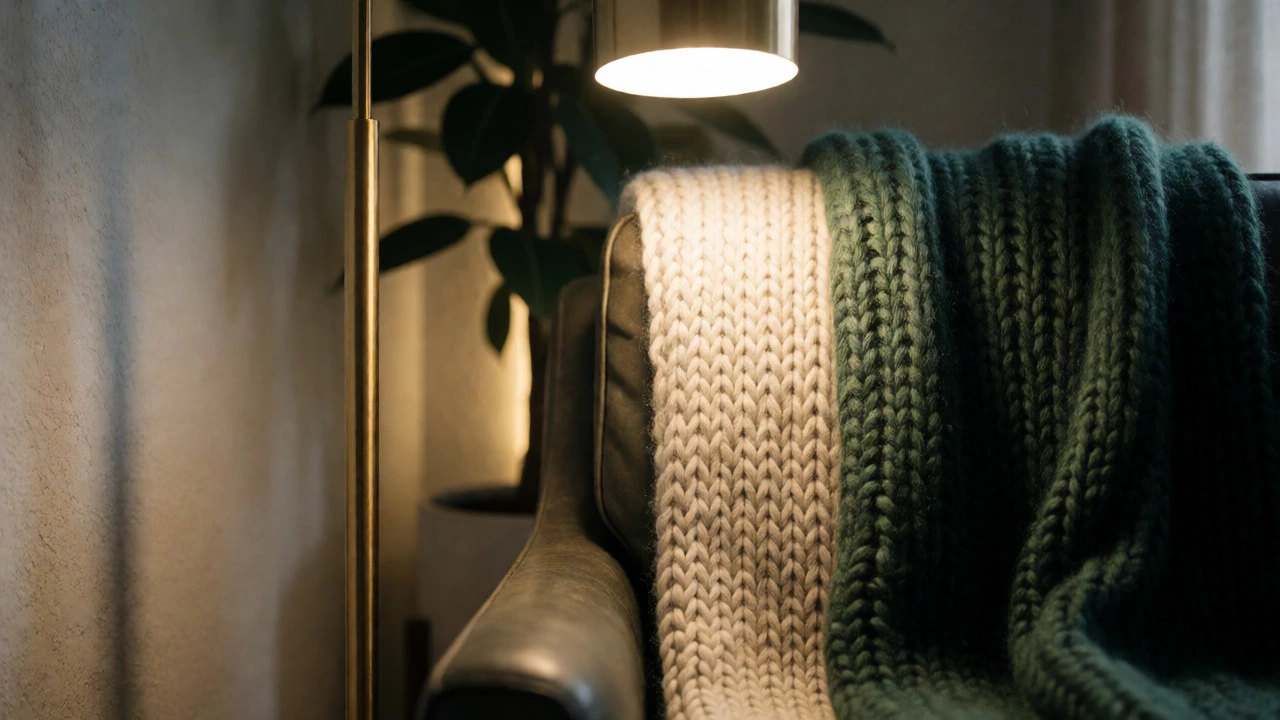
Textiles add comfort and absorb sound. Hard surfaces reflect noise, making rooms echo. Add rugs, curtains, and cushions to soften the acoustics. Mix textures for visual interest. Pair smooth leather with chunky knit throws. Combine sleek glass tables with rough-hewn wooden chairs. This contrast keeps the eye engaged and prevents the room from looking flat.
Execute and Edit Ruthlessly
Here is the secret most designers won’t tell you: perfection takes time. Don’t try to finish the whole house in one weekend. Start with one room. Complete it. Live in it. See what bothers you after a week. Maybe the rug slips. Maybe the lamp is too bright. Adjust.
Edit ruthlessly. If something doesn’t serve a function or bring you joy, remove it. Clutter kills design. Even beautiful objects become noise if there are too many of them. Follow the principle of negative space. Empty areas give the eye a place to rest. Don’t fill every corner with a plant or statue.
Finally, trust your gut. Trends come and go. Beige is back. Gray is out. Green is in. But if you hate green, don’t paint your walls green just because Instagram says so. Your home should reflect your life, not a magazine cover. Start small, stay consistent, and enjoy the process of creating a space that feels uniquely yours.
Do I need to hire an interior designer?
Not necessarily. For simple updates like repainting, rearranging furniture, or adding accessories, you can handle it yourself. Hire a professional if you are undertaking structural changes, dealing with complex spatial issues, or lack the time and confidence to manage contractors and sourcing.
How much does it cost to start interior design from scratch?
Costs vary wildly based on location and scope. A basic refresh (paint, accessories, one key furniture piece) might cost $500-$2,000 per room. A full redesign including new furniture, lighting, and textiles can range from $5,000 to $20,000+ per room. Always set a budget with a 10-15% contingency for unexpected expenses.
What is the biggest mistake beginners make?
Buying furniture that doesn't fit the scale of the room. Another common error is ignoring lighting layers, resulting in a flat, uninviting atmosphere. Always measure twice and plan lighting early.
Can I mix different styles in one home?
Yes, eclectic mixing is popular. The key is cohesion. Ensure there is a connecting thread, such as a consistent color palette, similar material finishes (e.g., all brass hardware), or repeated shapes. This prevents the home from looking chaotic.
How do I choose the right rug size?
In a living room, ideally, all front legs of the furniture should sit on the rug. In a dining room, the rug should extend at least 24 inches beyond the table on all sides so chairs remain on the rug when pulled out. Never choose a rug that is smaller than the main seating area.