How to Jazz Up a Boring Wall: Creative Wall Art and Decor Ideas
Wall Art Placement & Scale Calculator
1. Determine Art Size
Avoid the 'postage stamp' effect. Art should typically cover 60-75% of available space.
2. Hanging Height
Place art at museum eye-level (57"-60") or relative to furniture.
Quick Wins for Blank Walls
- The Power of Paint: A single bold color can change the entire mood of a room.
- Textiles: Tapestries or woven macramé add softness and sound absorption.
- Shelving: Floating shelves turn a wall into a functional display.
- Lighting: Sconces or LED strips create an atmospheric glow.
- Greenery: Vertical gardens or hanging planters bring life indoors.
Creating a Dynamic Gallery Wall
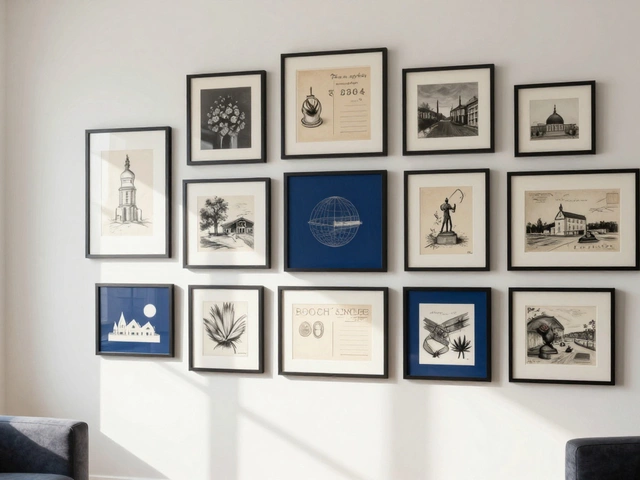
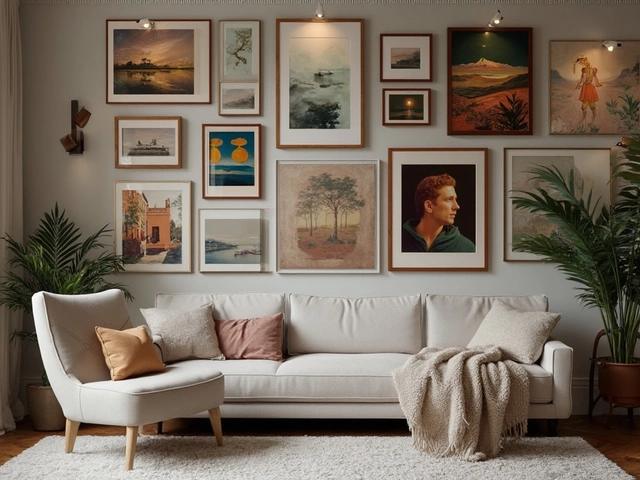
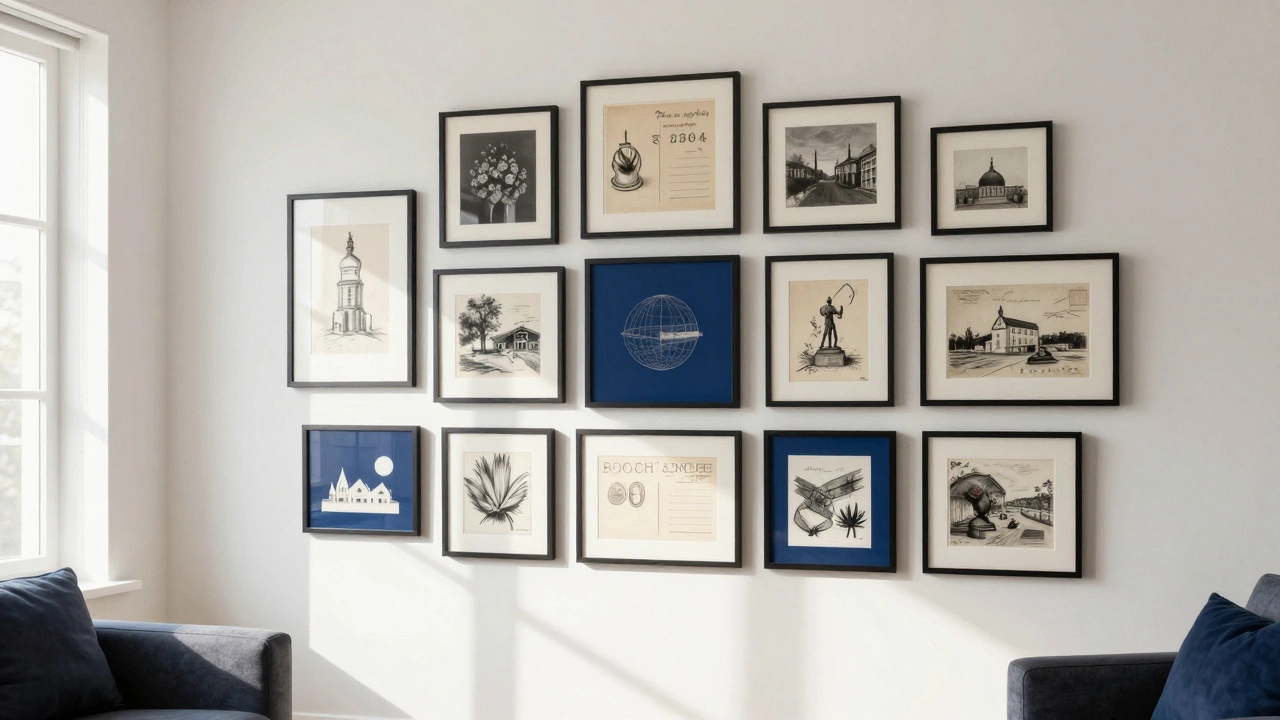
If you're staring at a huge void, a gallery wall is the most effective way to fill the space. Think of it as a visual autobiography. Instead of buying a pre-packaged set of generic prints, mix and match different mediums. Combine framed photography, sketches, and maybe a quirky vintage postcard. To keep it from looking like a chaotic mess, pick a common thread. This could be a consistent color palette-like varying shades of blue-or a consistent frame style, such as all thin black metal frames. A pro tip: layout your arrangement on the floor first. This lets you swap positions without putting a dozen unnecessary holes in your drywall. Use a spirit level to ensure the center point of the cluster is roughly 57 to 60 inches from the floor, which is the standard eye-level height used in museums.
The Magic of Accent Walls and Texture
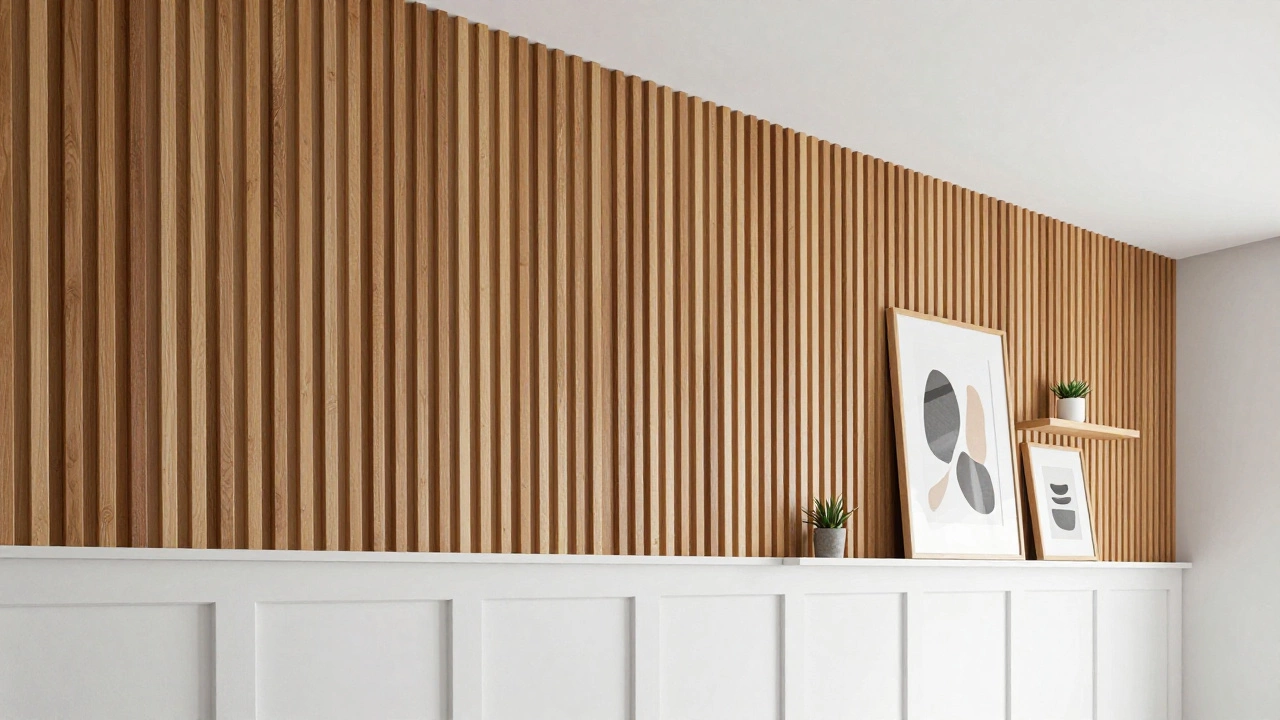
Sometimes, a picture isn't enough. You need a structural change. An accent wall is a design technique where one wall is visually distinct from the others. You don't have to just paint it a dark color. Consider wainscoting, which is the wooden paneling applied to the lower half of a wall. It adds a classic, sophisticated feel and protects the wall from scuffs in high-traffic areas like hallways. If you want something more modern, look into slat walls. These consist of vertical wooden strips with small gaps between them, creating a rhythmic, linear pattern that makes ceilings feel higher. If you're a renter, you can achieve a similar effect with removable peel-and-stick wallpaper. Modern vinyl wallpapers have come a long way; you can find textures that mimic concrete, linen, or deep tropical forests without the permanent commitment of glue.
| Method | Cost | Permanence | Visual Impact |
|---|---|---|---|
| Paint | Low | Medium | High |
| Peel-and-Stick Wallpaper | Medium | Low | Very High |
| Wainscoting | High | High | Medium/Classic |
| Gallery Wall | Variable | Medium | Personalized |
Integrating Functional Art
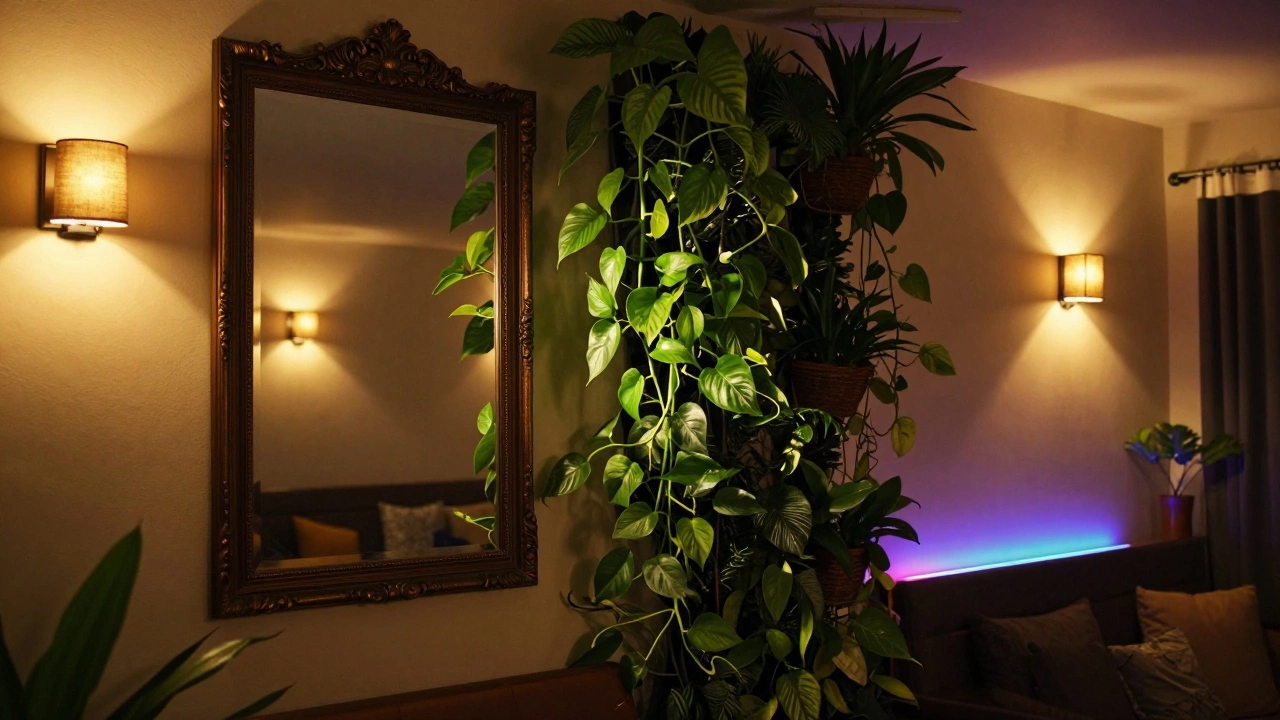
Why settle for art that just sits there when it can actually do something? Floating shelves are the perfect hybrid. By installing a few staggered shelves, you create a 3D composition. You can lean art pieces against the wall instead of hanging them, which makes it incredibly easy to swap out decor based on the season. Think about adding a large-scale mirror. Mirrors don't just act as art; they function as light amplifiers. In a dim room, a well-placed mirror opposite a window bounces natural light deeper into the space, effectively "opening up" the wall. For a more organic vibe, consider a vertical garden. Using a trellis or wall-mounted planters for pothos or philodendrons turns a boring wall into a living, breathing installation. Not only does this look stunning, but plants also improve indoor air quality by filtering toxins.
Lighting as a Decorative Element
You can have the most beautiful art in the world, but if the lighting is a single, harsh overhead bulb, the impact is lost. Lighting is the "secret sauce" of interior design. Instead of relying on ceiling lights, introduce layering. Wall-mounted sconces provide a warm, directional glow that highlights specific pieces of art. If you're not ready to wire the house, battery-operated LED puck lights can be hidden under shelves to create a sophisticated wash of light. For those who want a more contemporary edge, RGB LED strips installed behind a headboard or along the perimeter of a wall can change the entire color of the room with a click, allowing you to shift the mood from a focused workspace to a cozy lounge area instantly.
Common Pitfalls to Avoid
The biggest mistake people make when jazzing up a wall is the "scale fail." This happens when you put a tiny 8x10 frame on a massive living room wall. It looks like a postage stamp in a desert. The general rule of thumb is that your art should take up about 60% to 75% of the available wall space. If you have a small piece you love, group it with others to create a larger collective unit. Another common error is hanging art too high. Many people align the top of the frame with the ceiling or too high above the furniture. Your focal point should generally be at eye level. If you're hanging art over a sofa, leave about 6 to 10 inches of space between the top of the sofa back and the bottom of the frame. This creates a visual connection between the furniture and the art, rather than making the art look like it's floating away.
What is the best way to hang art without damaging walls?
For renters or those who hate holes, adhesive strips like Command hooks are the gold standard. For slightly heavier items, look for "monkey hooks" or "Hercules hooks," which require a tiny nail hole but can support significantly more weight than adhesives. If you're using a gallery wall, try using a large piece of mounting foam or a temporary adhesive to map out the layout before committing to any nails.
How do I choose colors for my accent wall?
Look at the other colors in your room. Find a secondary color in your rug or curtains and use a bolder version of that shade for the wall. If the room is neutral, don't be afraid of deep jewel tones like emerald green or navy blue; these create a sense of depth and luxury. Always test a small patch of paint on different parts of the wall to see how it looks in morning and evening light.
Can I mix different frame styles in one gallery wall?
Absolutely. This is called an "eclectic gallery." To make it look intentional rather than messy, keep one element consistent. For example, you can mix gold, black, and wood frames, but ensure all the art inside follows a similar color story or theme. This balance between contrast and cohesion is what makes the wall look professionally curated.
What are the best plants for a vertical wall?
Pothos and Philodendrons are the best choices because they are hardy and have trailing vines that create a "curtain" effect. For those with more light, Monstera Adansonii adds a trendy, holey-leaf look. If you have a low-light corner, ZZ plants or Snake plants can be placed on wall-mounted shelving to add height and greenery.
How often should I change my wall decor?
There is no set rule, but rotating your art every season can keep your home feeling fresh. If you use floating shelves, you can swap out small objects or lean different prints against the wall without needing tools. This prevents your decor from becoming "invisible" to you over time.
Final Touches and Troubleshooting
If you've tried everything and the wall still feels "off," check your symmetry. While perfect symmetry can feel stiff, complete asymmetry can feel unsettled. Try the "rule of three"-grouping items in odd numbers usually feels more natural to the human eye. If you're dealing with a very narrow wall, like in a hallway, avoid bulky frames. Instead, go for a series of small, identical frames in a tight row. This draws the eye forward and makes the hallway feel like an intentional transition space rather than just a tunnel. Remember, the goal isn't to fill every inch of the wall, but to create focal points that draw the eye and spark conversation.