Are People Getting Rid of Dining Rooms? The Shift in Home Design
Dining Room vs. Open Plan Calculator
Answer these questions to see if a traditional dining room fits your lifestyle or if you'd benefit from an open-plan alternative.
Why use this tool?
Modern homes are shifting away from formal dining rooms toward open-plan living and multifunctional spaces. This calculator helps you decide if that trend applies to you based on your actual daily habits.
- ● Save valuable square footage
- ● Optimize for remote work
- ● Improve social flow
Walk into a new home built in the last decade, and you might notice something missing. That formal, separate box at the back of the house where the big table sits? It’s often gone. Or worse, it’s been shrunk down to a tiny nook that barely fits four chairs. For years, the dining room was the traditional heart of the home where families gathered for meals. But today, real estate listings and interior design magazines are buzzing with a different question: Are we actually getting rid of them?
The short answer is yes, but it’s complicated. We aren’t just deleting the concept of eating together; we’re reshaping how and where we do it. If you’ve ever wondered why your floor plan feels different from your parents’, or if you’re trying to decide whether to build a dedicated dining space, you’re not alone. This shift isn’t just about aesthetics-it’s about how modern life has changed our daily routines.
The Rise of the Open-Plan Kitchen
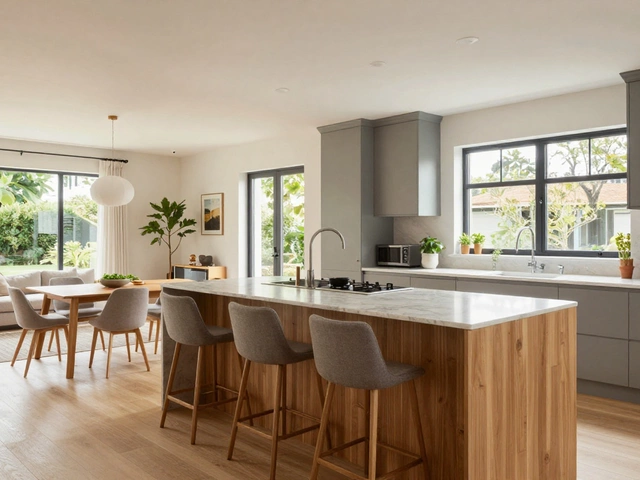
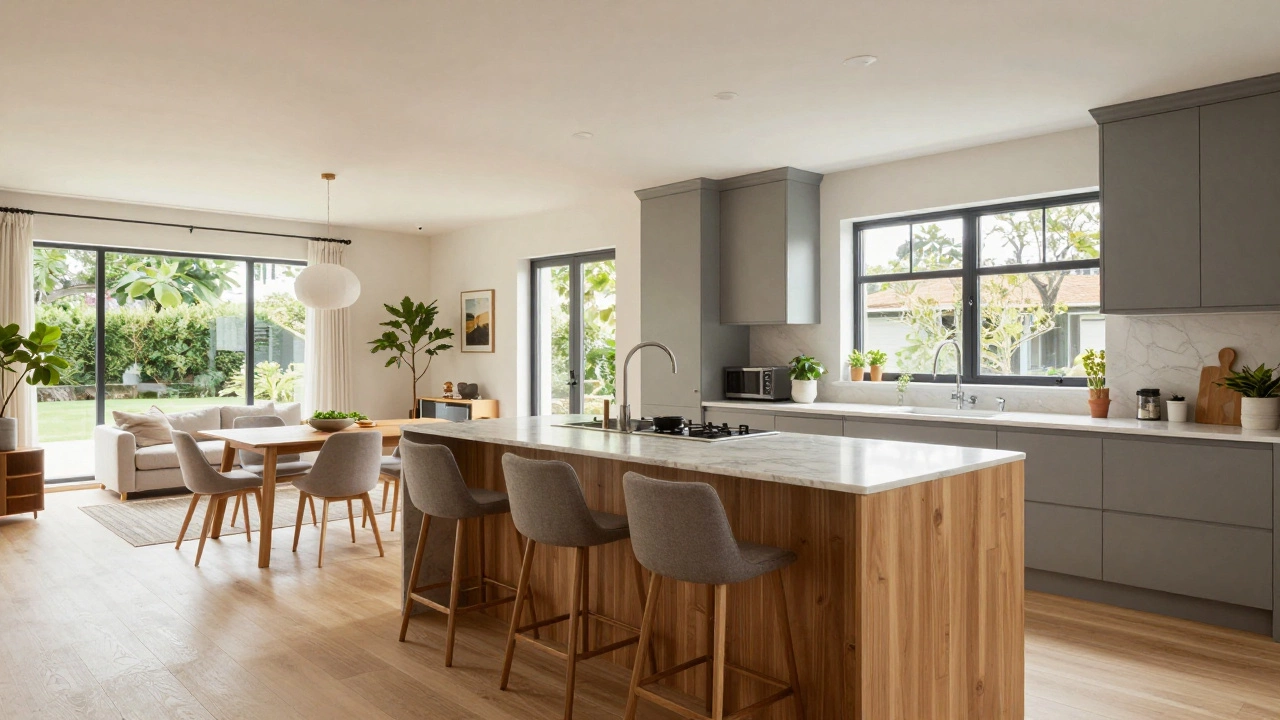
The biggest culprit in the decline of the formal dining room is the kitchen. Decades ago, the kitchen was a workspace-hot, messy, and strictly off-limits to guests. You cooked there, then carried the food to the dining room. Today, the kitchen is the social hub. We want to chat while we chop vegetables. We want to watch the kids do homework while we make dinner. This desire for connection drove the explosion of open-plan living, which combines the kitchen, dining, and living areas into one continuous space.
In an open-plan layout, the boundary between cooking and eating blurs. Instead of a separate room, you get a large island or a peninsula that serves as both a prep station and a casual dining spot. This setup saves space and keeps everyone in the same visual field. For many homeowners, especially those in urban apartments or smaller suburban homes, this efficiency is worth more than having a formal room that sits empty most of the week. The island becomes the new hearth, replacing the long rectangular table as the center of activity.
How Remote Work Changed Our Homes
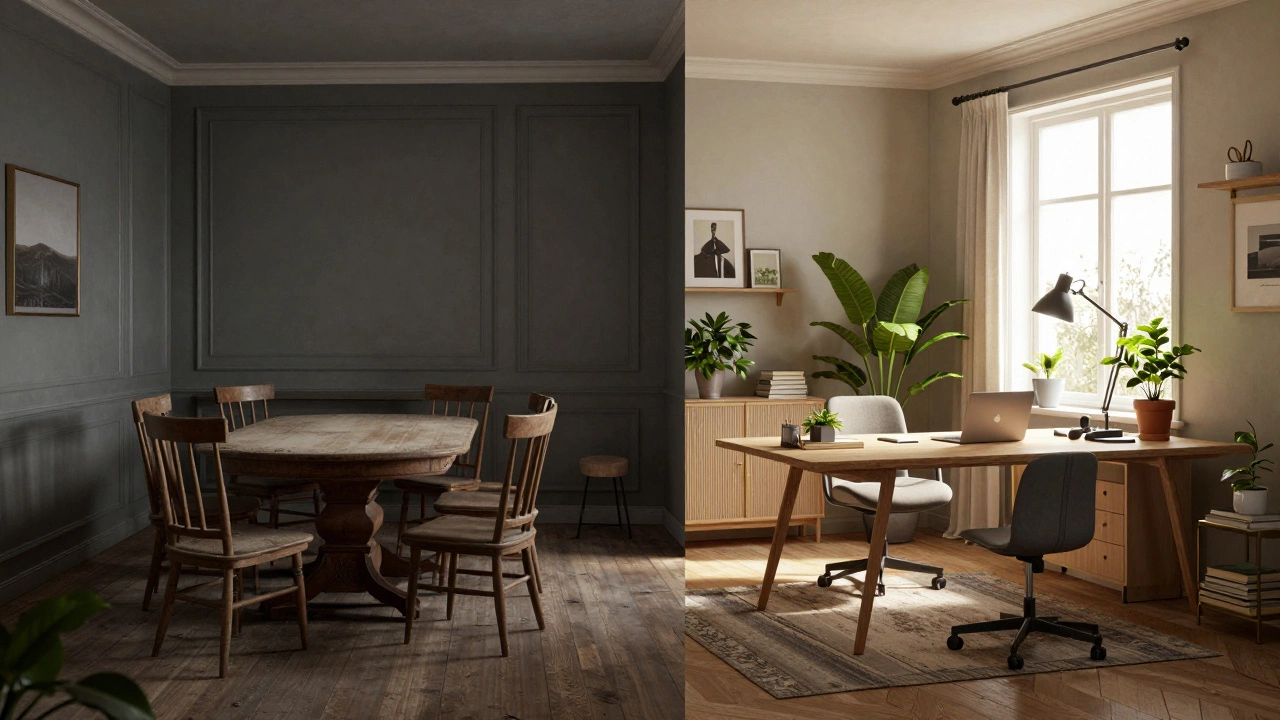
If the open kitchen started the trend, the pandemic accelerated it. When millions of people started working from home, the need for flexible space skyrocketed. A formal dining room, used maybe twice a week for family dinners, suddenly looked like wasted square footage. Why keep a room dedicated solely to eating when you could use it as a home office, a gym, or a playroom during the day?
This shift gave birth to the concept of multifunctional spaces, which are rooms designed to serve multiple purposes throughout the day. A folding table that disappears into the wall, or a desk that doubles as a dining surface, became highly desirable. Homeowners realized they didn’t need a permanent fixture for every activity. They needed adaptability. As a result, architects began designing larger great rooms with movable furniture rather than fixed walls for specific functions. The rigid definition of a "dining room" softened into a "dining area" within a larger living zone.
Interestingly, this flexibility extends beyond just home design. In cities like Almaty, where lifestyle choices are increasingly diverse and personalized, people seek resources that match their specific needs, such as finding verified companions through platforms like this directory, reflecting a broader cultural shift toward tailored, on-demand experiences in all aspects of life, including how we curate our personal spaces.
The Decline of Formal Entertaining
Let’s be honest: formal entertaining is dying. Fewer people are hosting sit-down dinners for eight guests with three courses and matching china. Life is busier, schedules are tighter, and social norms have relaxed. We order takeout, we eat pizza on the couch, and we host casual potlucks where guests mingle in the kitchen. The pressure to maintain a pristine, unused dining room for rare special occasions feels outdated to many younger buyers.
This change in behavior directly impacts dining furniture sales. Manufacturers are seeing less demand for massive, heavy wooden tables that seat ten. Instead, they’re selling smaller, lighter sets, extendable tables, and bench seating that can be tucked away. The focus has shifted from durability for daily heavy use to versatility for occasional use. If you don’t use the room every day, you don’t want to invest in furniture that dominates your floor plan.
Space Efficiency in Urban Living
In Auckland, like in many growing cities, land is expensive. Developers maximize profit by building more units on smaller plots. This means individual homes and apartments are getting smaller. When you’re working with a compact footprint, every square meter counts. A separate dining room adds walls, doors, and circulation space that reduces usable area. By eliminating the dining room, developers can create larger bedrooms, bigger bathrooms, or even add an extra studio unit to the building.
For buyers, this translates to a trade-off: convenience versus tradition. Many accept the loss of the formal dining room because it allows them to afford a better location or a higher quality finish in the remaining spaces. The trend is particularly strong in high-density housing projects where outdoor space is also limited. Without a backyard patio to spill out onto, the indoor living area must work harder to accommodate all activities.
The Counter-Trend: The Return of Intimacy
However, trends swing back and forth. While the mass market moves toward open plans, a counter-movement is emerging among those who value privacy and quiet. After years of constant noise and visual clutter in open-concept homes, some homeowners are craving separation. They miss the ability to close a door and hide the mess. They want a dedicated space for focused conversation without the TV blaring in the next zone.
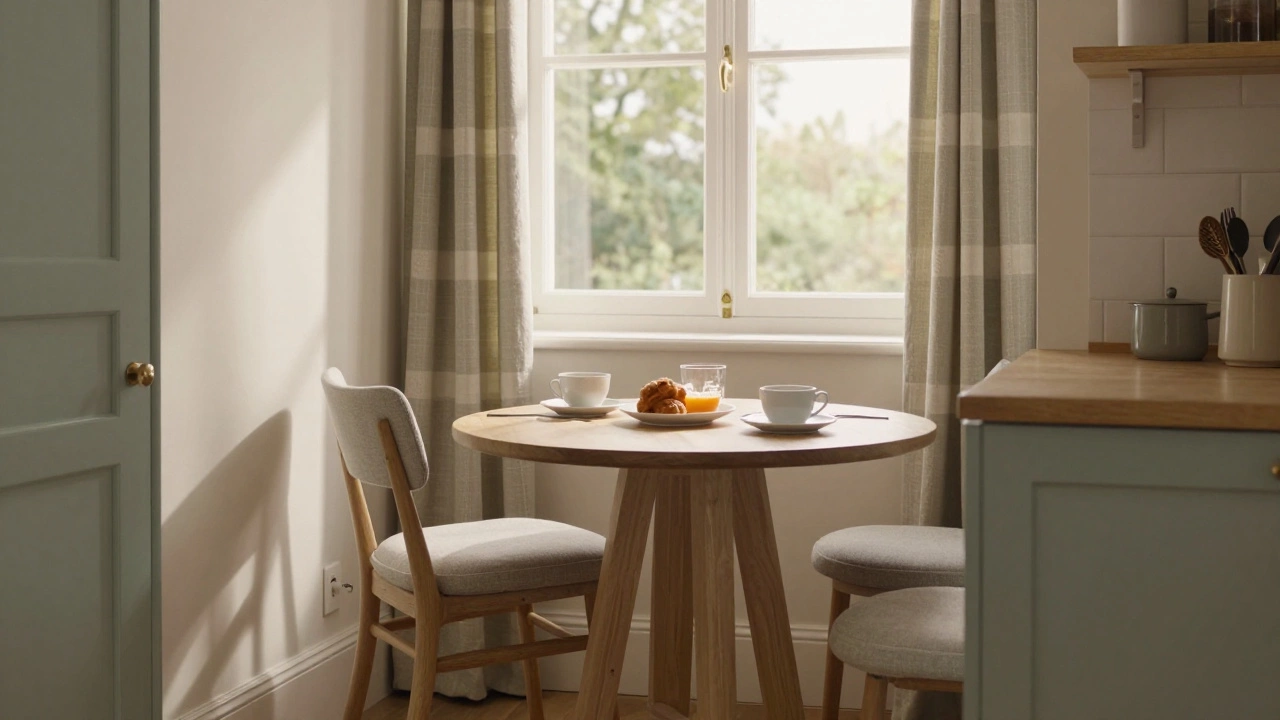
This has led to a rise in breakfast nooks and casual dining alcoves. These are small, cozy corners attached to the kitchen, often with a round table for two or four. They offer the intimacy of a dining room without the formality or size. Architects are also experimenting with half-walls, glass partitions, and sliding doors to create "soft" boundaries. This way, you get the visual openness of a modern home but the acoustic separation of a traditional one.
What Should You Do With Your Space?
If you’re renovating or buying a home, ask yourself how you actually live. Do you cook elaborate meals and love hosting friends? Keep the dining area visible and integrated. Do you work from home and need a quiet zone? Consider converting a spare room or a formal dining area into an office. Do you have young children? An open plan lets you supervise them while you prepare food.
There’s no right or wrong answer here. The key is intentionality. Don’t keep a dining room just because it’s supposed to be there. Don’t remove it just because it’s trendy. Look at your habits. If you rarely eat at a table, don’t force a table into your life. But if you cherish mealtime conversations, carve out a space that supports that ritual, even if it’s just a beautiful corner of your kitchen.
| Feature | Traditional Dining Room | Modern Open Plan / Nook |
|---|---|---|
| Location | Separate enclosed room | Integrated with kitchen/living |
| Primary Use | Formal meals, hosting | Casual meals, homework, prep |
| Furniture Style | Large, heavy, permanent | Compact, modular, flexible |
| Social Dynamic | Structured, seated | Fluid, interactive |
| Best For | Larger homes, frequent entertainers | Smaller homes, remote workers |
FAQs About Dining Room Trends
Is the formal dining room completely dead?
Not entirely, but its role has changed. It’s no longer a standard requirement in most new builds. Instead of a mandatory room, it’s now a luxury feature found in larger, high-end homes. Most people now opt for integrated dining areas that serve multiple functions.
Should I remove my dining room walls?
Consider your lifestyle first. If you value open flow and social interaction while cooking, removing walls can create a warmer, more connected home. However, ensure you have enough counter space and storage in the kitchen to compensate for the lost cabinetry in the dining room.
What is a good alternative to a full dining room?
A breakfast nook or a kitchen island with bar stools are excellent alternatives. They save space, encourage casual interaction, and can easily double as workspaces. Another option is a sunroom or enclosed porch that serves as a light-filled dining area during good weather.
Does removing a dining room increase home value?
It depends on the market. In urban areas and with younger buyers, open-plan layouts often command higher prices due to their popularity. However, in suburban markets with older demographics, a formal dining room may still be a selling point for traditionalists.
How do I furnish a small dining area?
Choose a round table instead of a rectangular one to improve traffic flow. Use stackable chairs or benches that can be tucked under the table. Consider a drop-leaf table that expands only when needed. Keep decor minimal to avoid cluttering the space.