4 Key Characteristics to Become a Successful Interior Designer

Interior Designer Skill Assessment
Click on the trait you feel most strongly aligned with right now.
Observation & Empathy
Understanding client needs and living patterns beyond just aesthetics.
Technical Proficiency
Mastery of software (CAD/Revit), building codes, and spatial logic.
Adaptability
Problem-solving under pressure and navigating budget constraints.
Communication
Negotiating with tradespeople and managing client expectations.
Assessment Result
Your Strength:
Areas to Develop:
You’ve probably seen the glossy magazines or scrolled through Instagram feeds filled with perfectly styled living rooms and minimalist kitchens. It looks like magic, right? One day there’s a blank space, and the next, it’s a magazine cover. But here’s the truth: great interior design isn’t just about picking pretty colors or arranging cushions on a sofa. It’s a complex profession that demands a specific blend of soft skills, technical knowledge, and emotional intelligence.
If you’re thinking about pursuing this career, you need to ask yourself if you have the right temperament. It’s not for everyone. The job involves long hours, difficult clients, tight budgets, and the constant pressure to make spaces work for real people, not just in renderings. So, what makes a truly successful interior designer? While creativity is obvious, it’s only the starting point. Here are the four non-negotiable characteristics you need to thrive in this field.
1. Keen Observation and Empathy
The best designers don’t start with a Pinterest board; they start with questions. They listen. Really listen. When a client says, "I want a cozy reading nook," they dig deeper. Do they read at night? Do they have back pain? Do they have a cat that jumps on their lap? These details change everything. A chair that looks beautiful might be unusable if it’s too low for someone with knee issues.
Observation goes hand-in-hand with empathy. You need to notice the light patterns in a room throughout the day. You need to see how traffic flows through a hallway. You need to spot the structural quirks that others ignore. For example, in Auckland, where we get strong northern sun, a west-facing window can turn a living room into an oven by late afternoon. An empathetic designer notices this and suggests thermal blinds or heat-reflective glass, saving the client from future discomfort. Without this human-centric approach, you’re just decorating, not designing.
2. Technical Proficiency and Spatial Awareness
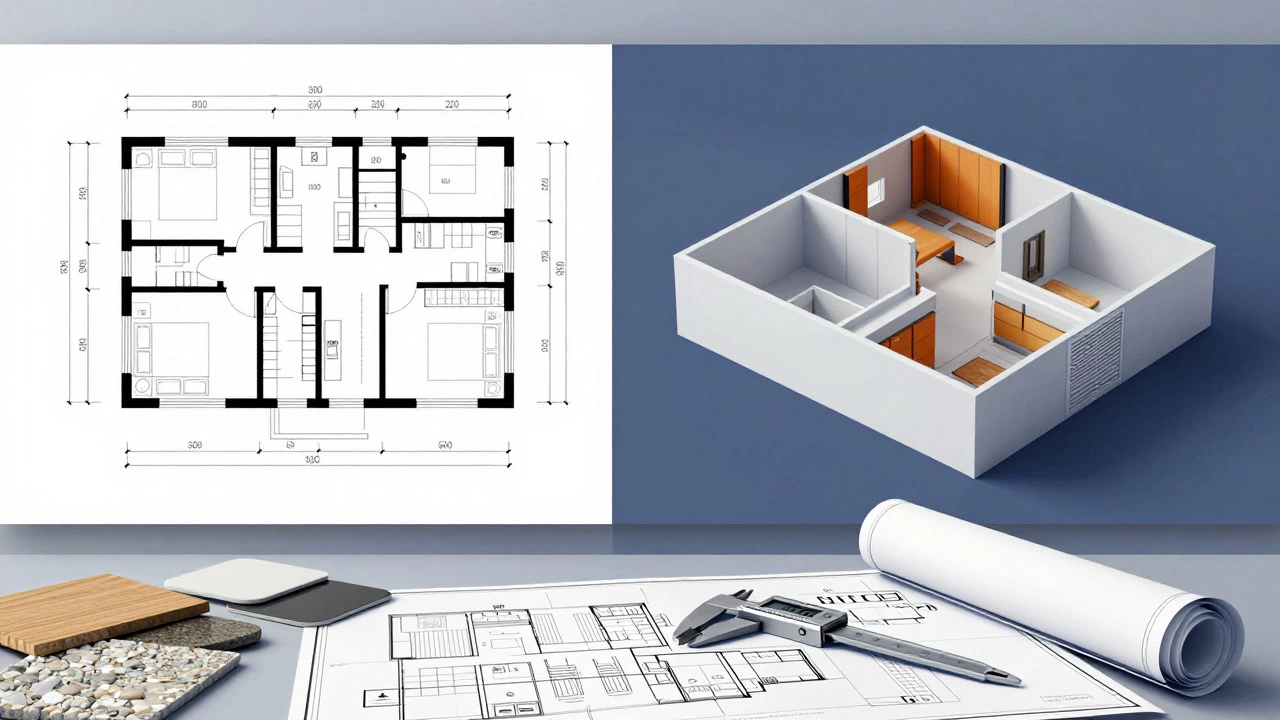
Creativity needs a backbone, and that backbone is technical skill. You can have the most stunning vision in your head, but if you can’t communicate it clearly to contractors, architects, and suppliers, it stays in your head. This requires mastery of tools and standards.
- Software Skills: Proficiency in AutoCAD, Revit, SketchUp, or Adobe Creative Suite is essential. These aren’t just drawing tools; they are communication languages. A precise floor plan prevents costly mistakes on site.
- Building Codes and Regulations: In New Zealand, you must understand the Building Code. If you’re designing a bathroom, you need to know about waterproofing standards (E2/AS1). If you’re adding a wall, you need to consider structural integrity. Ignorance here doesn’t just look bad; it can be dangerous and illegal.
- Spatial Logic: This is the ability to visualize three-dimensional space on a two-dimensional screen. It’s knowing that a standard door opening is 800mm wide, so a large sofa won’t fit through it without being disassembled. It’s understanding scale and proportion so that a small rug doesn’t look lost in a large room.
This characteristic separates professionals from hobbyists. Clients hire you because you know things they don’t. You know which materials will hold up to high traffic, which finishes are sustainable, and how to navigate supply chain delays. Your technical knowledge builds trust.
3. Adaptability and Problem-Solving
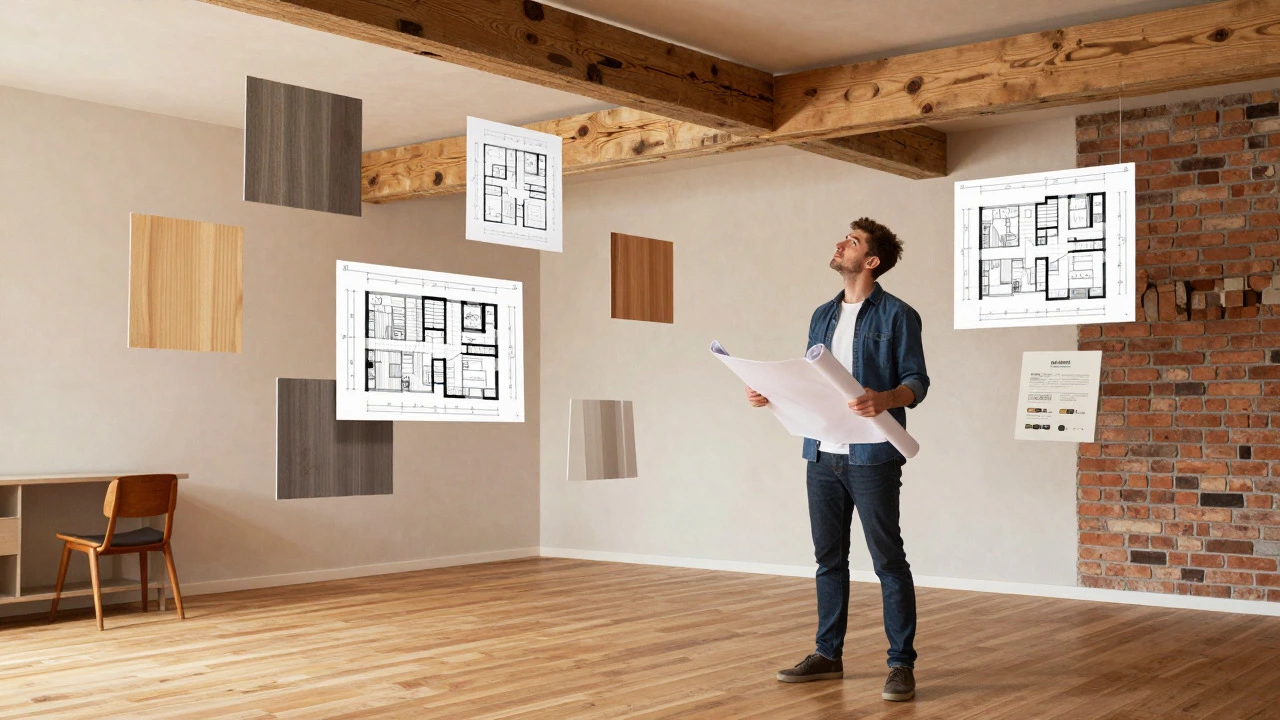
Nothing ever goes exactly according to plan. That’s the golden rule of construction and renovation. You’ll spend weeks selecting tiles, only to find out they’re discontinued. You’ll design a custom joinery unit, only to discover a load-bearing beam where the cabinet was supposed to go. Panic is not an option.
Adaptability means staying calm under pressure and finding creative solutions to unexpected problems. Let’s say a client loves a specific vintage mirror, but it’s too heavy for the drywall above the fireplace. A rigid designer might argue or give up. A problem-solver calculates the weight, reinforces the stud behind the wall, and installs a secure mounting bracket. The result is the same-the client gets their mirror-but the process required flexibility.
This trait also applies to budget constraints. Clients often have dream visions but realistic bank accounts. You need to be able to pivot quickly. Maybe they can’t afford Italian marble countertops, but you know a high-quality quartz alternative that looks similar and costs half as much. You guide them toward choices that deliver the aesthetic impact without breaking the budget. This ability to navigate obstacles is what keeps projects moving forward.
4. Strong Communication and Negotiation Skills
An interior designer is essentially a project manager, a therapist, and a diplomat all rolled into one. You are the bridge between the client’s dreams and the contractor’s reality. Miscommunication is the number one cause of project failure.
You need to be able to explain complex design concepts in simple terms. Not every client knows what "negative space" or "visual weight" means. You have to translate your expertise into language they understand. Equally important is learning to say "no" politely but firmly. If a client wants to paint a ceiling black in a room with no natural light, you need to explain why it might feel oppressive, using evidence rather than opinion.
Negotiation comes into play with suppliers and tradespeople. You’re advocating for your client’s timeline and quality standards. If a carpenter is running behind schedule, you need to negotiate a new deadline without damaging the relationship. If a fabric supplier has a minimum order quantity that exceeds your needs, you find a way to split the cost with another project or find an alternative. Clear, respectful, and assertive communication ensures that everyone is on the same page, reducing stress and errors.
Comparing Essential Traits vs. Common Misconceptions
| Common Myth | Reality Check | Why It Matters |
|---|---|---|
| "You just need a good eye for color." | Color theory is basic; spatial planning is advanced. | Without spatial logic, even the best colors won't save a dysfunctional layout. |
| "It's mostly about art and decoration." | It's 50% project management and logistics. | Delivering on time and budget is more valued by clients than artistic flair alone. |
| "Introverts make better designers." | Strong social skills are mandatory. | You must manage client expectations and lead teams of tradespeople daily. |
| "Expensive tastes mean success." | Resourcefulness is key. | Creating luxury looks on modest budgets demonstrates true expertise. |
How to Develop These Characteristics
If you’re missing some of these traits, don’t worry. They can be developed. Start by shadowing an experienced designer. Watch how they handle client meetings and site visits. Take courses in CAD software if you’re tech-shy. Practice active listening in your daily life-really focus on what people are saying, not just waiting for your turn to speak. Read up on local building codes to build your technical foundation. And most importantly, learn to embrace mistakes as learning opportunities rather than failures.
Becoming an interior designer is a journey of continuous growth. It’s challenging, but for those who possess-or are willing to cultivate-these four core characteristics, it’s incredibly rewarding. You get to shape the environments where people live, work, and heal. That’s a powerful responsibility.
Do I need a degree to become an interior designer?
While not always legally required for residential work, a formal degree or diploma is highly recommended. It provides structured training in technical skills like CAD, building codes, and ergonomics. In many regions, including New Zealand, certification bodies prefer candidates with accredited education. It also signals professionalism to clients and employers.
Is interior design a stressful job?
Yes, it can be. Deadlines, budget overruns, and demanding clients create pressure. However, stress levels vary depending on your specialization. Residential design often involves more emotional client interaction, while commercial design may have stricter regulatory hurdles. Developing strong problem-solving and communication skills helps mitigate this stress significantly.
What is the difference between an interior decorator and an interior designer?
An interior decorator focuses on aesthetics-furniture, fabrics, colors, and accessories. An interior designer deals with both aesthetics and functionality, including space planning, lighting, acoustics, and often structural changes. Designers usually require formal training and knowledge of building regulations, whereas decorators may not.
How important is technology in modern interior design?
Extremely important. Software like AutoCAD, Revit, and SketchUp is standard for creating plans and 3D visualizations. Virtual reality (VR) is increasingly used to help clients experience spaces before construction begins. Staying updated with tech trends improves efficiency and client satisfaction.
Can I succeed in interior design if I’m not naturally creative?
Creativity can be learned and honed. Many successful designers rely more on technical precision, organization, and client service than raw artistic talent. Focus on developing your problem-solving abilities and technical skills. Creativity often emerges when you master the rules and constraints of the profession.
What are the biggest challenges for new interior designers?
Building a portfolio and client base is the hardest part. New designers often struggle with pricing their services correctly and managing project timelines. Gaining practical experience through internships or assisting established firms is crucial for overcoming these initial hurdles.