What Do Architectural Services Include? A Clear Breakdown for Homeowners

Architectural Services Cost Calculator
Based on the article, architectural services typically cost 8-15% of your total build cost in New Zealand. This calculator helps you estimate your fees and understand the value architects provide.
Why this matters: Architects don't just create drawings—they ensure your project meets building codes, handles permits, and avoids costly mistakes that can cost thousands later.
When you’re planning to build a new home, add an extension, or even renovate your kitchen, you might hear the word architectural services thrown around. But what does that actually mean? It’s not just about drawing pretty blueprints. Architectural services cover a full range of tasks-from the first sketch on a napkin to the final walk-through with your builder. Many people think hiring an architect is only for luxury homes or big commercial projects. That’s not true. Whether you’re a first-time homeowner or someone upgrading a 30-year-old house, understanding what architects actually do can save you time, money, and stress.
Initial Consultation and Site Assessment
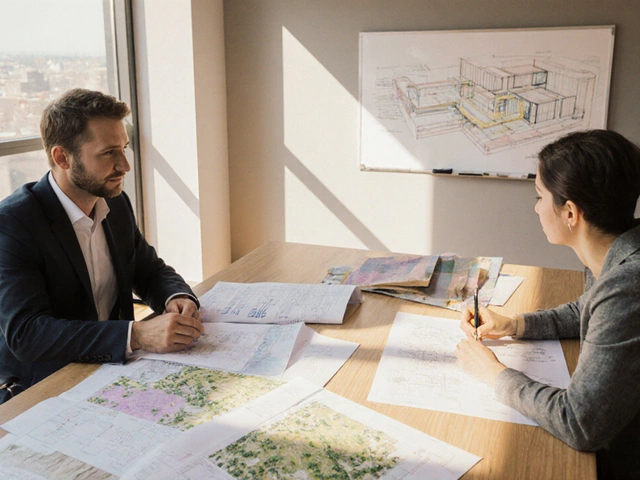
It starts with a conversation. A good architect won’t jump straight into designs. They’ll come to your property, look at the land, and ask questions. How do you use your space now? What’s broken or frustrating? Do you want more natural light? Are you planning to age in place? They’ll check the slope of the land, soil type, existing trees, and nearby buildings. In Auckland, for example, coastal erosion or volcanic soil can affect foundation choices. They’ll also check zoning rules. Some suburbs have height limits, setbacks, or rules about what materials you can use. This step isn’t just about measurements-it’s about understanding your life and how the building fits into it.Concept Design and Schematic Plans
After the site visit, the architect creates rough sketches. These aren’t detailed drawings yet. They’re ideas. Maybe three different layouts for your new kitchen, or how a second story could wrap around the backyard. They’ll show you options with simple floor plans, basic elevations, and maybe a 3D sketch. This is where you get to say, "I don’t like that direction," or "Can we make the living room bigger?" The architect listens and adjusts. They’re not selling you a fixed package. They’re solving a problem with you. At this stage, they’ll also start thinking about sustainability. Can the house be oriented to catch winter sun? Can we use passive cooling instead of air conditioning? These choices affect your energy bills for decades.Development of Detailed Construction Documents
Once you pick a direction, the architect gets technical. This is where the real work happens. They produce full construction drawings: floor plans, elevations, sections, and details. Every wall thickness, window size, door swing, and electrical outlet is marked. They include specifications for materials-like what type of timber for framing, what grade of concrete for the slab, or which insulation R-value to use. These documents are what builders need to quote accurately. Without them, you risk getting vague bids that change halfway through construction. In New Zealand, these plans must meet the Building Code. That means fire safety, structural strength, moisture control, and accessibility standards are built in from day one. The architect handles all that so you don’t have to dig through 500-page regulations.Permitting and Council Approvals
You can’t start building without approval. The architect prepares and submits the paperwork to your local council. This includes the construction documents, energy reports, stormwater plans, and sometimes geotechnical reports. In Auckland, the process can take 6 to 12 weeks depending on complexity. The architect knows what the council looks for. They’ve dealt with the same planners before. They can anticipate questions and fix issues before they delay your project. Some people try to skip this step or use a draftsperson instead. But draftspersons don’t have the legal authority to sign off on building consents in most cases. Only licensed architects can do that. Skipping this can mean your project gets stopped-or worse, you build something that doesn’t meet code and can’t be sold later.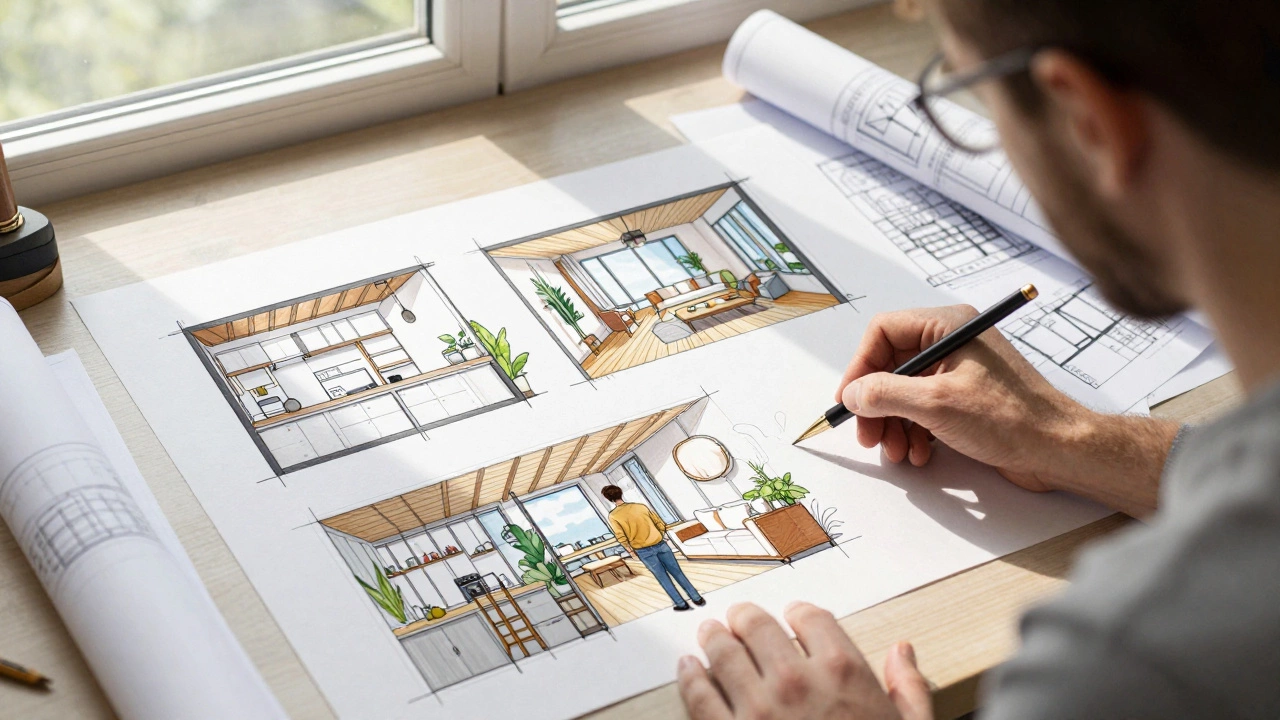
Builder Selection and Tender Process
The architect doesn’t pick your builder for you, but they help you choose. They prepare a tender package with all the plans and specs. Then they invite builders to bid. They review each quote-not just the price, but what’s included. One builder might quote $300,000 but leave out the kitchen cabinetry. Another might include it. The architect points out these differences. They also check if builders have the right experience. Did they build a similar project before? Do they have a history of delays? This step alone can save you tens of thousands in hidden costs and surprises.Construction Observation and Site Visits
Once construction starts, the architect doesn’t disappear. They make regular site visits-usually weekly during key stages. They check if the builder is following the plans. Is the foundation level? Are the windows installed correctly? Is the insulation installed to spec? They’re not there to micromanage. They’re there to catch mistakes early. A misaligned beam or a missing waterproof membrane can cost $20,000 to fix later. The architect catches it before concrete is poured. They also handle change requests. If you decide to move a window, they update the plans, notify the builder, and adjust the cost. This keeps everything documented and prevents arguments.Final Inspection and Handover
When the build is done, the architect does a final walkthrough with you and the builder. They check every fixture, switch, tap, and door. They make a punch list-every small thing that’s missing or needs fixing. They make sure the builder completes it. Then they help you get the Code of Compliance Certificate from the council. Without this, you can’t legally occupy the building, and your insurance might not cover it. They’ll also hand over all the documents: warranties, manuals, maintenance schedules, and even contact info for the suppliers. This is your home’s operating manual. Most people don’t realize how valuable this is until something breaks and they have no idea who made the oven or what the warranty covers.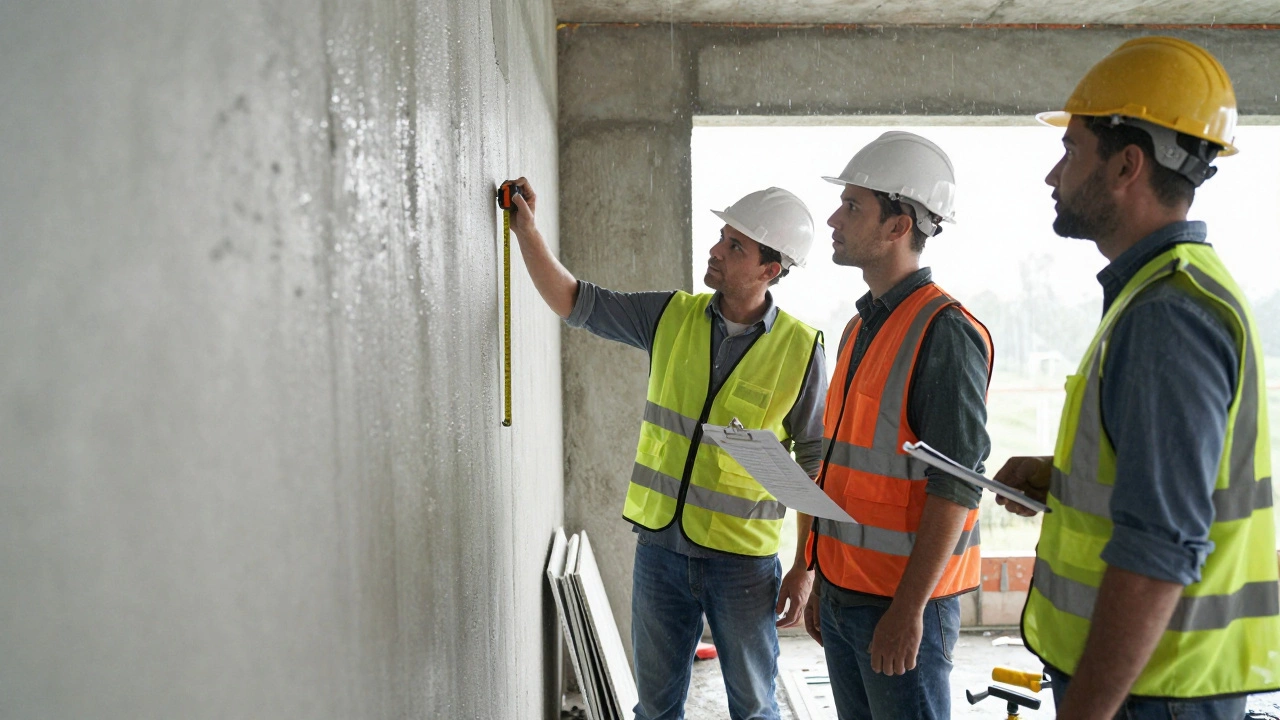
What Architectural Services Don’t Include
It’s just as important to know what architects don’t do. They don’t manage the construction crew. That’s the builder’s job. They don’t pick your paint colors or curtains-that’s interior design. They don’t handle landscaping or fencing unless it’s tied to structural design. Some firms offer full-service design, but that’s a separate package. If you want help with furniture, lighting, or finishes, ask if the architect works with an interior designer. Most do, but it’s an extra cost.Why Pay for an Architect When You Can Use a Draftsperson?
Draftspersons are cheaper. They can make drawings. But they don’t have the same training or legal responsibility. An architect has a degree, 2-4 years of supervised experience, and must pass licensing exams. They’re legally liable if something fails. A draftsperson isn’t. If your roof collapses because of a design error, you can sue the architect. You can’t sue a draftsperson the same way. Also, councils often require architect-signed plans for complex projects. In Auckland, any project over $20,000 or involving structural changes usually needs an architect’s stamp. So while a draftsperson might save you $5,000 upfront, you might end up paying $50,000 later in delays, redesigns, or failed inspections.When You Don’t Need an Architect
Not every project needs one. If you’re just repainting, replacing a bathroom vanity, or installing new flooring, skip it. If you’re building a simple shed under 10m² and under 3.5m high, you might not need a permit. But if you’re changing the structure-adding a room, moving load-bearing walls, raising the roof, or converting a garage into a living space-you need an architect. It’s not optional. It’s the law. And it’s the smartest investment you can make in your home.Do architectural services include interior design?
Not always. Architectural services focus on the structure, layout, and building systems. Interior design-like choosing paint, furniture, or lighting-is usually a separate service. Some architecture firms offer it as an add-on, but it’s not included by default. If you want both, ask upfront.
How much do architectural services cost?
Fees vary by project size and complexity. For a standard home extension in New Zealand, expect 8-15% of the total build cost. A $150,000 project might cost $12,000-$22,500 in architect fees. Some charge hourly rates ($80-$150/hour), others fixed fees. Always get a written quote before starting.
Can I hire an architect for just one phase, like design only?
Yes. Many architects offer phased services. You can hire them just for concept design, or just for construction documentation. But be careful. If you hire someone else to handle permits or construction oversight later, you lose continuity. Mistakes happen when information gets lost between teams.
How long does the architectural process take?
It depends. A small home addition might take 3-6 months from first meeting to building permit. Larger projects can take 6-12 months. Construction itself adds another 4-12 months. Don’t rush the design phase. A good plan saves months of delays later.
What’s the difference between an architect and a building designer?
Architects have formal university training and are licensed by law. Building designers may have vocational training and are often registered with industry bodies, but they’re not legally licensed. Architects can sign off on building consents for complex projects. Building designers can’t. In Auckland, for any project involving structural changes, you’ll need an architect.