What Couch Will Last the Longest? The Ultimate Guide to Durable Sofas
Sofa Durability Calculator
Select Sofa Specifications
Select specifications and click calculate to see your sofa's estimated lifespan and durability rating.
You drop $2,000 or more on a new couch is a piece of upholstered furniture designed for seating multiple people comfortably., and three years later, it looks like a deflated balloon. The cushions sag, the arms wobble, and you’re left wondering why it fell apart so fast. You aren’t alone. Most mass-produced sofas are built to look good in a showroom, not to survive a decade of daily life. But there are couches built to last. Knowing what to look for can save you thousands in replacement costs and keep your living room looking sharp for years.
The Quick Answer: What Makes a Sofa Last?
- Frame: Look for kiln-dried hardwood (oak, ash, maple) joined with dowels, screws, or corner blocks. Avoid particle board or staples.
- Springs: Eight-way hand-tied springs offer the best longevity. Sinuous springs are okay if they’re heavy-gauge steel.
- Cushions: High-density foam (1.8+ density) wrapped in down or fiber lasts longer than pure down or low-density foam.
- Fabric: Performance fabrics like Sunbrella or Crypton resist stains and wear better than delicate linen or cheap polyester blends.
- Legs: Hardwood legs attached directly to the frame outlast plastic or metal legs bolted into soft wood.
A sofa’s lifespan isn’t about luck; it’s about engineering. When you sit on a couch, you’re testing its structural integrity, suspension system, and upholstery durability all at once. If one component fails, the whole experience suffers. A great couch balances comfort with rugged construction. It doesn’t mean you have to sacrifice style. In fact, many long-lasting sofas look cleaner and more timeless because they avoid trendy, fragile materials.
The Frame: The Backbone of Durability
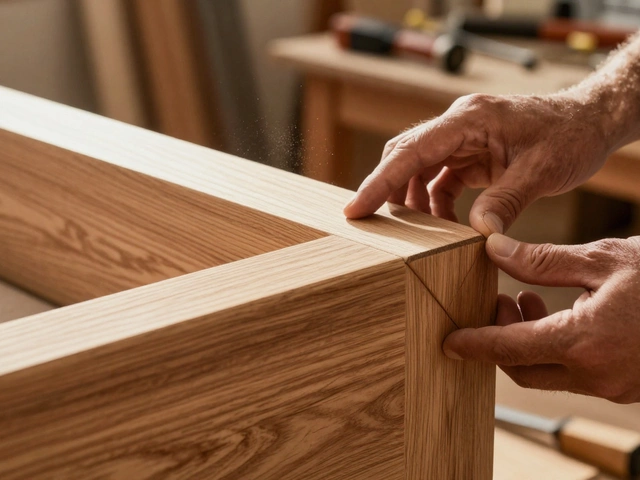
If the frame goes, the couch goes. The frame supports everything else-springs, cushions, fabric, and you. Cheap sofas use softwoods like pine or engineered woods like particle board. These materials warp, crack, and squeak over time. Pine is too soft to hold screws tightly, leading to loose joints. Particle board swells when exposed to humidity and crumbles under stress.
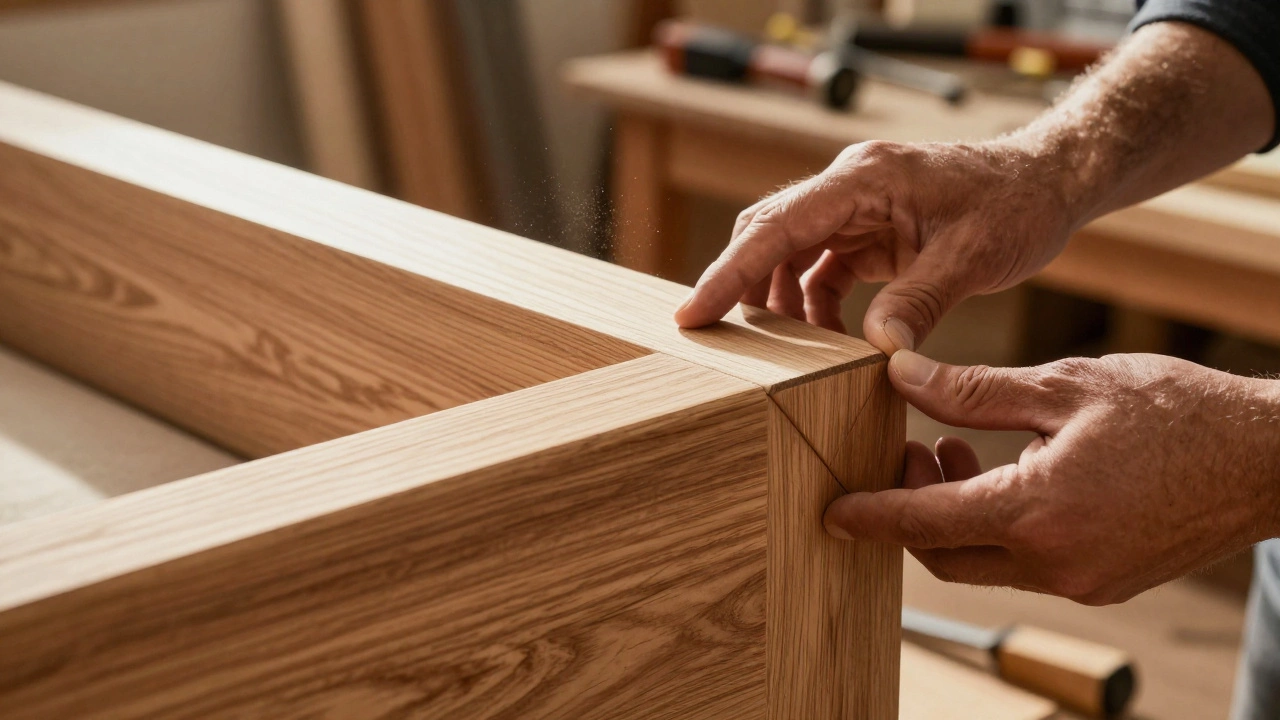
Durable couches use kiln-dried hardwood is lumber that has been dried in a kiln to reduce moisture content, preventing warping and rotting.. Oak, ash, maple, and beech are top choices. They’re dense, strong, and resistant to insect damage. Kiln drying removes excess moisture, which prevents the wood from shrinking or expanding as seasons change. This stability keeps the frame square and solid for decades.
How the pieces join matters just as much as the material itself. Look for these joining methods:
- Dowels and Screws: Wooden dowels align the pieces, while screws pull them tight. This combination creates a rigid joint that won’t loosen easily.
- Corner Blocks: Triangular blocks of wood screwed into the corners add extra strength. They prevent the frame from racking (twisting out of square).
- Mortise and Tenon: A traditional woodworking joint where one piece fits into a hole in another. It’s incredibly strong but rare in modern manufacturing due to labor costs.
Avoid frames held together by staples, glue, or nails alone. Staples pull out, glue dries brittle, and nails work themselves loose. If you can lift the cushion and see the underside, check for these details. A reputable brand will proudly show you their frame construction.
Suspension Systems: Springs That Don’t Sag
Once the frame is set, the suspension system distributes your weight. Without proper support, even the best cushions will flatten quickly. There are two main types of spring systems in sofas: eight-way hand-tied and sinuous.
Eight-way hand-tied springs are individual coils tied together with cotton twine in eight directions, creating a flexible yet supportive seat.. This method allows each spring to move independently, contouring to your body while maintaining overall structure. It’s labor-intensive, which is why you’ll find it in higher-end brands like Ethan Allen, Hooker Furniture, or Restoration Hardware. Hand-tied springs can last 20-30 years without losing resilience.
Sinuous springs are continuous S-shaped wires that run front-to-back across the frame, providing uniform support.. They’re cheaper to produce and common in mid-range sofas. Quality varies widely. Heavy-gauge sinuous springs (thicker wire) perform well and can last 10-15 years. Thin, flimsy sinuous springs sag within a few years. Ask for the gauge number-the lower the number, the thicker the wire. Aim for 8-gauge or lower.
Some budget sofas skip springs entirely, using webbing or elastic straps instead. These stretch out rapidly and create an uneven sitting surface. Avoid them if longevity is your goal.
Cushion Fill: Density Is King
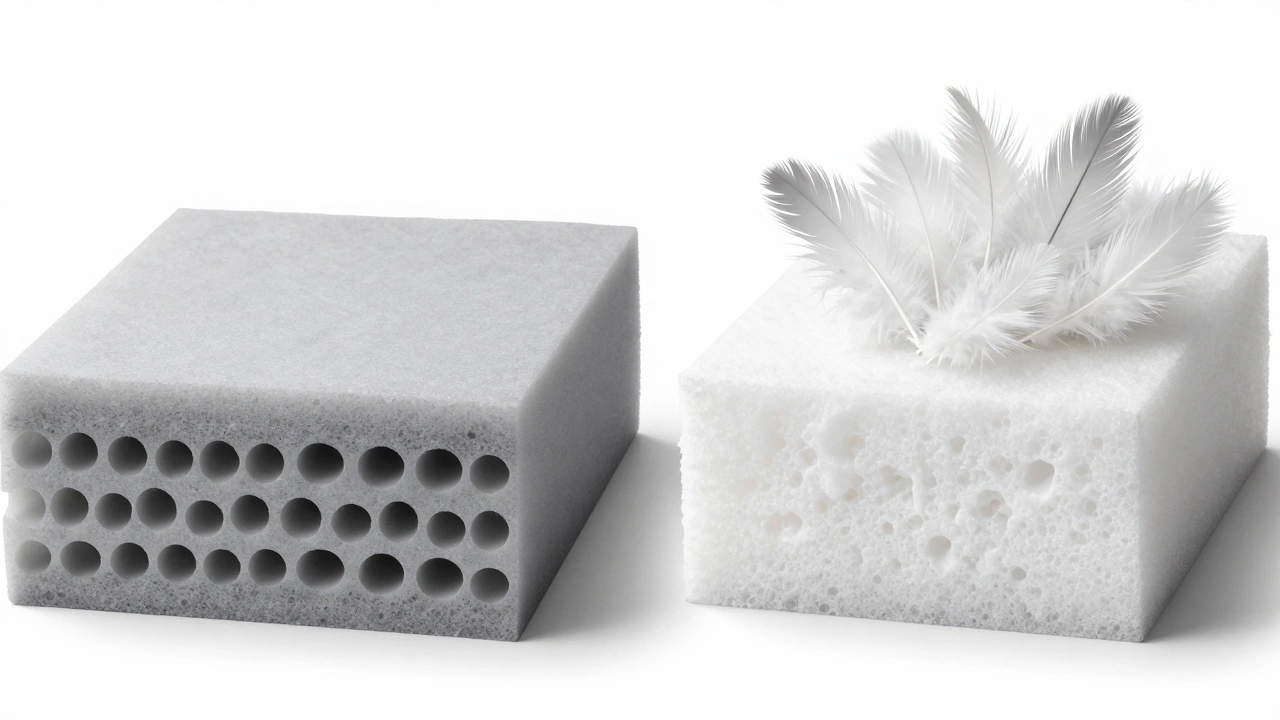
Cushions are the first thing you notice when a sofa wears out. Low-quality fill compresses permanently, leaving you with hard, flat seats. The key metric here is foam density is the weight of one cubic foot of foam in pounds, indicating how tightly packed the cells are.. Higher density means more material per volume, which translates to better resilience and longer life.
Here’s what to look for:
- Low-Density Foam (1.0-1.5): Found in cheap department store sofas. Flattens within months. Avoid.
- Medium-Density Foam (1.6-1.7): Decent for light use. May last 3-5 years depending on frequency.
- High-Density Foam (1.8+): The gold standard for durability. Resists compression and maintains shape for 10+ years.
Pure down cushions feel luxurious but require constant fluffing. They lose loft over time and don’t provide consistent support. A hybrid approach works best: high-density foam core wrapped in a layer of down or microfiber. This gives you the plush feel of down with the structural integrity of foam. Brands like West Elm and Article often use this hybrid construction in their premium lines.
Another option is polyester fiberfill is a synthetic stuffing made from recycled plastic bottles, offering softness but limited durability.. It’s cheap and soft but breaks down quickly. Use it only as a thin outer layer, never as the primary fill.
Fabric Choices: Beauty Meets Battle
You can have the strongest frame and best springs, but if the fabric tears or stains, the couch feels dead. Fabric choice depends on your lifestyle. Do you have kids? Pets? Spills happen. Choosing the wrong material turns every dinner party into a anxiety-inducing event.
Natural fibers like linen and cotton look beautiful but attract dirt and stain easily. They fray at seams and fade in sunlight. Synthetic blends fare better, but quality varies. Cheap polyester pills and shines after repeated cleaning. High-quality synthetics, however, are tough as nails.
Performance fabrics are engineered textiles designed to resist stains, moisture, odors, and abrasion.. Brands like Sunbrella is a solution-dyed acrylic fabric known for its colorfastness and weather resistance. and Crypton is a patented fabric technology that repels liquids and resists staining through molecular bonding. lead the market. Sunbrella was originally designed for marine use, so it handles spills and UV rays effortlessly. Crypton uses a unique weave that pushes liquids away before they penetrate. Both fabrics are machine-washable or easy to spot-clean.
For pet owners, consider microfiber or leather. Microfiber is tight-weave polyester that hides scratches and claws. Top-grain leather develops a patina over time and can be conditioned to maintain flexibility. Bonded leather peels and cracks, so steer clear of it.
| Fabric Type | Durability Rating | Stain Resistance | Best For |
|---|---|---|---|
| Sunbrella | Excellent | High | Families, pets, sunrooms |
| Crypton | Excellent | Very High | Kids, frequent spilling |
| Top-Grain Leather | Good | Medium | Adults, formal settings |
| Linen/Cotton | Poor | Low | Guest rooms, low-traffic areas |
| Cheap Polyester | Poor | Low | Budget buys, short-term use |

Brand Recommendations: Who Builds to Last?
Not all brands prioritize durability. Some cut corners to hit price points. Others invest in craftsmanship and warranty coverage. Here are some names worth considering based on build quality and customer feedback.
Herman Miller is synonymous with ergonomic design and industrial-strength construction. Their residential sofas use aircraft-grade aluminum frames and high-resilience foams. Prices start around $3,000, but they come with lifetime warranties on frames. If you want something that outlives you, this is it.
Ethan Allen offers customizable options with solid hardwood frames and hand-tied springs. Their fabrics include many performance options. Mid-to-high price range ($2,000-$4,000), but the customization lets you choose exactly what you need for durability.
IKEA gets criticized for flimsiness, but their higher-end lines like Ektorp and Söderhamn use decent frames and replaceable covers. For under $1,000, they’re a solid bet if you plan to rotate cushions and clean covers regularly. Just avoid the cheapest models.
Pottery Barn strikes a balance between style and substance. Many of their sofas feature kiln-dried hardwood frames and high-density foam. Check the product specs carefully, as they carry both budget and premium lines.
Maintenance Tips to Extend Lifespan
Even the toughest couch needs care. Simple habits can double its life expectancy.
- Rotate Cushions: Flip and rotate seat cushions monthly. This ensures even wear and prevents permanent indentations.
- Vacuum Regularly: Dust and debris grind into fabric fibers, causing premature wear. Use an upholstery attachment weekly.
- Blot, Don’t Rub: When spills happen, blot immediately with a clean cloth. Rubbing pushes liquid deeper into the padding.
- Protect from Sun: Direct sunlight fades colors and dries out leather. Use curtains or blinds during peak hours.
- Condition Leather: Apply leather conditioner every 6-12 months to keep it supple and prevent cracking.
When to Replace vs. Repair
Sometimes, a couch can be saved. Replacing cushions or reupholstering might cost less than buying new. If the frame is solid but the springs are broken, a professional repair shop can retie them for $300-$600. If the fabric is stained but intact, reupholstering with a performance fabric gives it a second life.
However, if the frame is cracked, warped, or squeaky beyond repair, it’s time to let go. No amount of cushion replacement fixes a weak skeleton. At that point, investing in a new, well-built sofa makes financial sense.
How long should a good couch last?
A well-made couch with a hardwood frame, high-density foam, and quality fabric should last 10-20 years. Premium brands with hand-tied springs can exceed 20 years with proper maintenance.
Is a sectional sofa more durable than a standard couch?
Durability depends on construction, not configuration. Sectionals often have more joints, which can be weak points. Ensure each section has a solid hardwood frame and sturdy connectors. Standard couches generally have fewer failure points.
Can I tell if a couch is durable just by looking at it?
Not entirely. You need to lift cushions to check the frame and springs. Look for thick, solid legs and tight stitching. Ask salespeople about foam density and spring type. Visual cues like heavy weight and firm structure are good indicators.
Are expensive couches always more durable?
Usually, yes. Higher prices often reflect better materials and craftsmanship. However, some brands charge for design rather than durability. Always verify construction details regardless of price tag.
What is the best fabric for a couch with dogs?
Microfiber and performance fabrics like Crypton are ideal. They resist claw marks, hide hair, and repel accidents. Avoid loose weaves like linen or velvet, which snag easily.