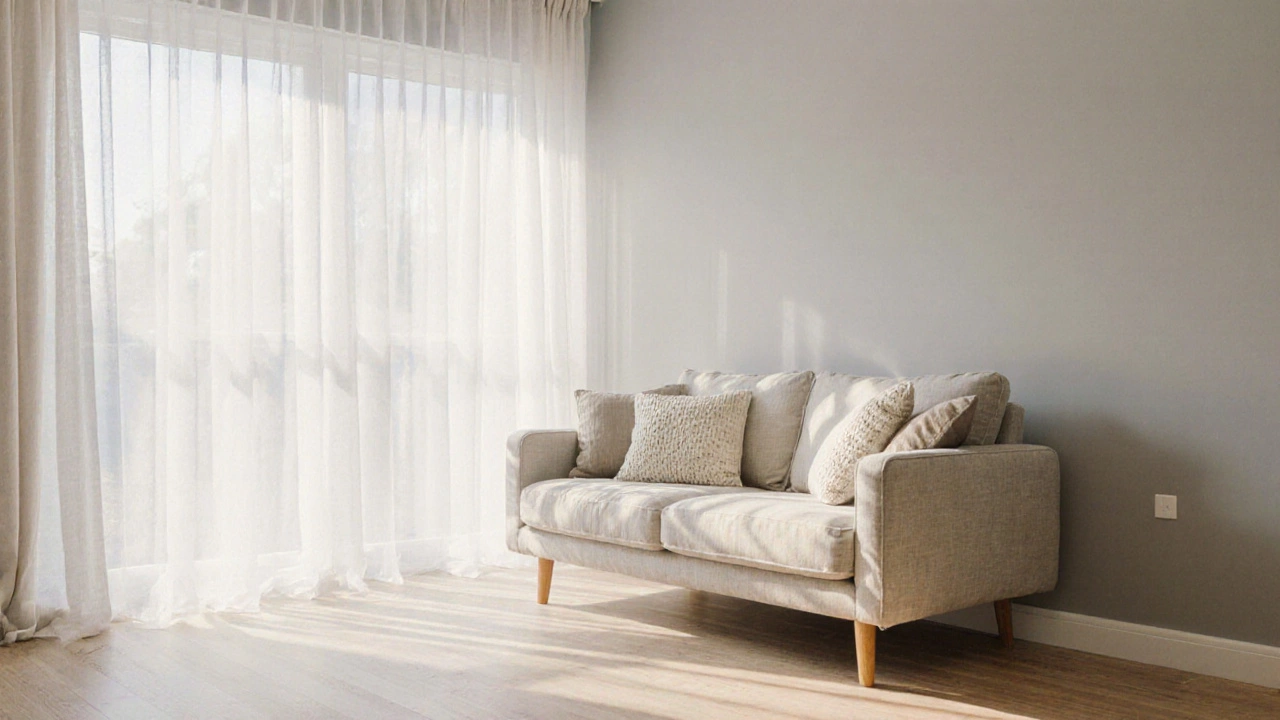
Light-colored sofas like off-white, pale gray, and soft beige make small rooms feel larger by reflecting light and reducing visual weight. Avoid dark tones and busy patterns to keep space feeling open.
When we talk about visual space, the perceived size and openness of a room created by design elements like color, lighting, and layout. Also known as perceived space, it's not about square footage—it's about how your brain interprets what you see. A 100-square-foot room can feel like 150 if the colors, furniture, and lighting work together. And a 200-square-foot room can feel cramped if everything’s clashing or blocking the view. Visual space is the quiet magic behind why some homes feel calm and airy, while others feel overwhelming—even if they’re the same size.
It’s not just about paint colors or mirrors, though those help. room layout, how furniture and fixtures are arranged to guide movement and sightlines plays a huge role. If your couch blocks the window, or your bookshelf sticks out into the walkway, your eyes can’t flow through the space. That’s why open-plan living, which shows up in posts about dining rooms disappearing, isn’t just a trend—it’s a visual space hack. Removing walls doesn’t add square feet, but it lets light and sight travel farther, tricking your brain into thinking there’s more room.
small space solutions, design tactics that maximize function and perception in limited areas are built on this idea. Think of a corner couch—called a sectional or L-shaped sofa—that hugs the wall instead of taking up center space. Or a sleeper sofa that doubles as seating and a bed, so you don’t need two separate pieces. These aren’t just space-savers; they’re visual space enhancers. The same goes for lighting. A single overhead bulb makes a room feel like a cave. Layered lighting—floor lamps, wall sconces, under-cabinet strips—creates depth and draws the eye around the room, making it feel larger.
Color does more than decorate—it directs. Light walls reflect light, making ceilings feel higher. Dark floors ground the space without shrinking it, if used right. And mirrors? They’re not just for grooming. A well-placed mirror can reflect a window, doubling natural light and giving the illusion of another wall. These tricks show up in posts about plain bedrooms looking nice without spending much, or how to style a bookshelf to look classy. It’s all about controlling what the eye sees—and what it doesn’t.
Visual space also connects to what’s hidden. A bathroom renovation that keeps the original layout saves money and keeps sightlines clean. A sagging floor or foundation crack doesn’t just cost money to fix—it makes a room feel unstable, even if the damage is out of sight. That’s why understanding what’s behind the walls matters as much as what’s in front of them. The same goes for furniture. A wardrobe that blends into the wall doesn’t just store clothes—it removes visual clutter. A closet that’s too deep? It eats up space. The right storage doesn’t add square feet—it removes visual noise.
What you’ll find below isn’t a list of design trends. It’s a collection of real fixes, real costs, and real choices people made to make their homes feel more open, more comfortable, and more theirs. Whether it’s choosing curtain colors that match your couch, picking flooring that lasts decades, or deciding if a dining room is even worth keeping—every post here ties back to one thing: how you experience space, not just how big it is. Let’s look at what actually works.
Light-colored sofas like off-white, pale gray, and soft beige make small rooms feel larger by reflecting light and reducing visual weight. Avoid dark tones and busy patterns to keep space feeling open.