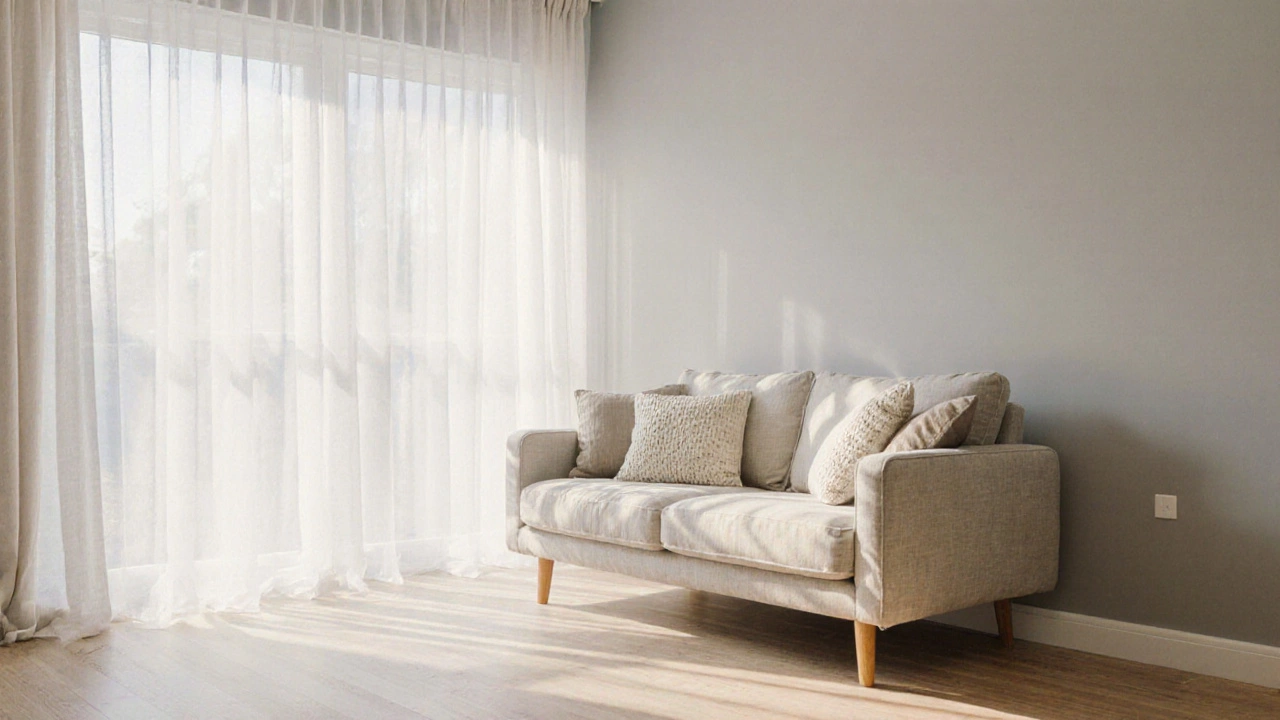
Light-colored sofas like off-white, pale gray, and soft beige make small rooms feel larger by reflecting light and reducing visual weight. Avoid dark tones and busy patterns to keep space feeling open.
When you pick a sofa color, the dominant hue in your living room that sets the tone for the entire space. Also known as couch color, it doesn’t just match your rug—it shapes how people feel when they walk in. A deep navy sofa feels different than a creamy beige one. One pulls the room together quietly. The other shouts for attention. Your sofa isn’t just furniture—it’s the anchor.
That’s why living room decor, the combined style, layout, and color choices that define your main relaxation space fails or succeeds based on how well the sofa color works with everything else. Think about curtain color, the fabric that frames windows and balances light and privacy. If your curtains are light gray and your sofa is bright red, you’ve got contrast. If both are warm taupe, you’ve got harmony. Neither is wrong—but you need to know the difference. And it’s not just about matching. It’s about managing visual weight. A dark sofa makes a small room feel cozier. A light one can make a big room feel airy. People don’t realize how much a single color choice affects perception until they live with it.
Then there’s interior design, the practice of planning and arranging spaces for both function and aesthetics. Top designers don’t pick sofa colors by gut feeling. They test how light changes throughout the day. They layer textures so the color doesn’t feel flat. They consider what’s next to it—fireplace, TV, artwork. A sofa color that looks perfect in a showroom can look muddy under your kitchen’s fluorescent lights. That’s why so many people regret their choices. They picked based on a trend, not their space.
And it’s not just about aesthetics. Sofa color affects how often you clean, how long it lasts, and even how inviting your home feels. Darker shades hide pet hair and crumbs. Light tones make spaces feel open but demand more upkeep. Neutral tones? They’re safe, but only if you know how to add personality around them. You don’t need a designer to get this right. You just need to know what questions to ask.
Below, you’ll find real examples from people who’ve been there. From how a charcoal sectional transformed a dull corner to why a pastel sofa clashed with their hardwood floors. You’ll see what works, what doesn’t, and what no one tells you until it’s too late. No fluff. No guesswork. Just clear, practical lessons from real homes.
Light-colored sofas like off-white, pale gray, and soft beige make small rooms feel larger by reflecting light and reducing visual weight. Avoid dark tones and busy patterns to keep space feeling open.