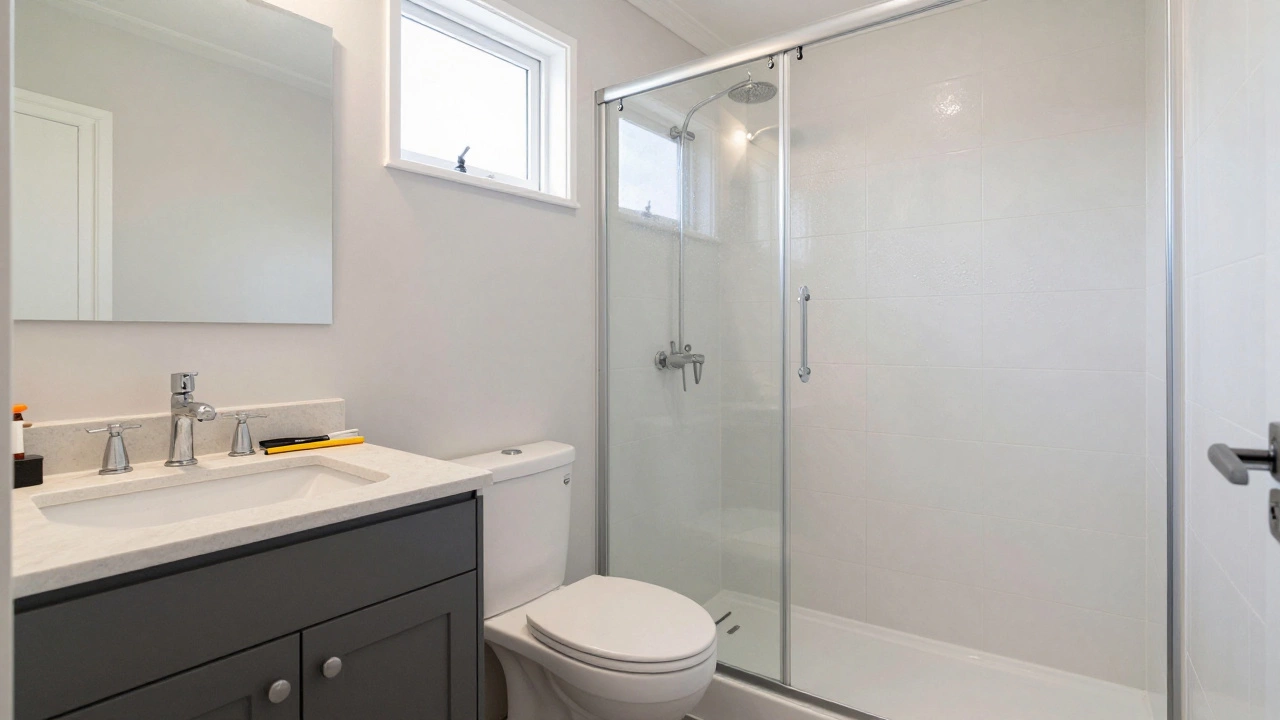
Yes, you can renovate a bathroom for $10,000 in New Zealand in 2025-with smart choices, DIY work, and sticking to the budget. Learn where to spend and where to save.
When you tackle a DIY bathroom, a home improvement project where homeowners handle renovation tasks themselves, often to save money and gain control over design choices. Also known as self-installed bathroom upgrade, it’s one of the most common ways people refresh their homes without hiring a full team. But here’s the truth: most DIY bathroom fails aren’t because of bad tools or lack of skill—they’re because people skip the stuff you can’t see. Plumbing, electrical, and waterproofing aren’t glamorous, but they’re the reason your tile doesn’t crack, your walls don’t mold, and your water bill doesn’t spike.
A bathroom renovation, the process of updating or rebuilding a bathroom’s structure, fixtures, and finishes to improve function or appearance isn’t just about picking pretty tiles. It’s about understanding how your house works. If you’re moving a sink or toilet, you’re dealing with drain lines, vent pipes, and water supply routes that run through walls and under floors. One wrong cut, one loose joint, and you’re looking at thousands in water damage. That’s why the most expensive part of a bathroom remodel isn’t the vanity or the light fixture—it’s fixing what you broke trying to save money.
Then there’s bathroom tiles, ceramic, porcelain, or stone surfaces used for walls and floors in bathrooms for durability and water resistance. They’re the face of your bathroom, sure, but they’re also the first line of defense against moisture. Wrong adhesive? Poor grout? You’ll get loose tiles, mildew, and cracked grout in under a year. And don’t assume bigger tiles are easier—they need flatter, more precise surfaces. Small tiles can be more forgiving if you’re learning as you go.
And layout? That’s the silent hero. A bathroom layout, the spatial arrangement of fixtures like toilet, sink, shower, and storage in a bathroom to optimize flow and function that looks great on Pinterest might not fit your real-life routine. If your shower door swings into the toilet space, or your sink blocks the door, you’ll hate it in six months. Stick to the original footprint if you can. Moving plumbing is expensive. Keeping it where it is saves time, money, and stress.
People think DIY means doing everything alone. But smart DIY means knowing when to call in a plumber for the pipes, an electrician for the wiring, or a pro to check the waterproofing. You can still lay the tiles, install the vanity, and pick the fixtures yourself—just don’t pretend you’re an expert in everything. The best DIY bathroom projects aren’t the ones where you did it all—they’re the ones where you did enough, safely and well.
Below, you’ll find real breakdowns of what costs what, how long things actually take, and the hidden traps most guides ignore. No fluff. No hype. Just what happens when you roll up your sleeves and start a bathroom job in a UK home.
Yes, you can renovate a bathroom for $10,000 in New Zealand in 2025-with smart choices, DIY work, and sticking to the budget. Learn where to spend and where to save.