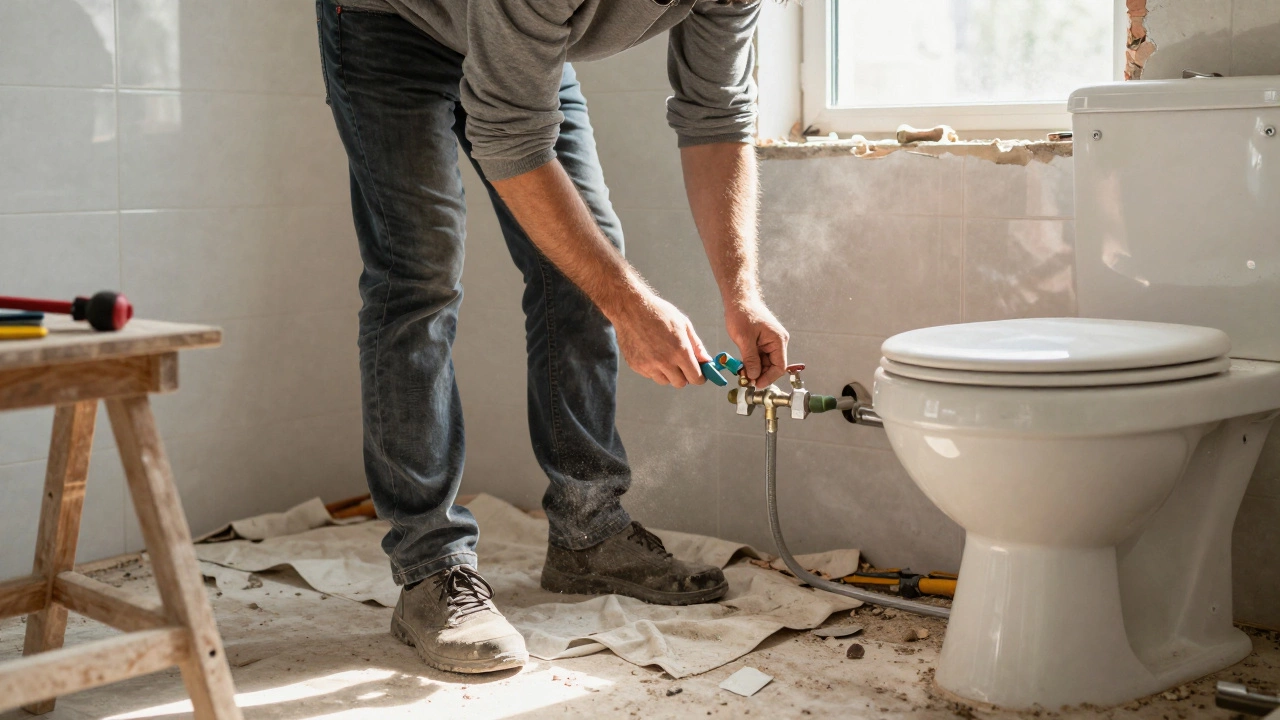
Learn the correct order to renovate a bathroom to avoid costly mistakes. This step-by-step guide covers planning, demo, plumbing, flooring, fixtures, and finishing touches for a smooth remodel.
When you start a bathroom renovation timeline, the sequence and duration of tasks involved in transforming a bathroom from old to new. Also known as bathroom remodel duration, it’s not just about swapping out tiles—it’s about managing hidden work like plumbing, electrical, and permits that can stretch or shrink your schedule. Most people think a bathroom job takes a week. Reality? It often takes 4 to 8 weeks, even for a small space. Why? Because the visible stuff—tiles, vanities, mirrors—is the easy part. The real time eaters are the things you can’t see: moving pipes, rewiring lights, waiting for permits, or fixing mold behind the walls.
A DIY bathroom can cut costs, but it doesn’t always speed things up. If you’ve never laid tile or hooked up a waste pipe, you’ll spend hours watching YouTube tutorials and making mistakes. That’s time you could’ve spent picking out grout color. On the flip side, hiring pros doesn’t guarantee speed either. A busy contractor might not show up for days, or a delivery delay on your custom vanity can stall everything. The biggest delays? Permits and inspections. In the UK, some councils take 2–3 weeks just to approve your plans. And if your house is older, you might hit unexpected issues like lead pipes or outdated wiring—things no one mentions in the initial quote.
There’s no one-size-fits-all clock for bathroom renovations. A simple refresh—new paint, faucet, and mirror—can wrap up in 5 days. But if you’re moving walls, adding a shower, or relocating the toilet? That’s a full-scale project. The bathroom renovation timeline isn’t just about how long it takes. It’s about how well you plan around the things you can’t control. You need buffer days for delays, clear communication with your team, and realistic expectations. The posts below break down real costs, hidden delays, and smart shortcuts from people who’ve been through it. Whether you’re aiming for a $10,000 upgrade or a full gut job, you’ll find what actually happens when the contractors show up—and what you can do to keep things on track.
Learn the correct order to renovate a bathroom to avoid costly mistakes. This step-by-step guide covers planning, demo, plumbing, flooring, fixtures, and finishing touches for a smooth remodel.
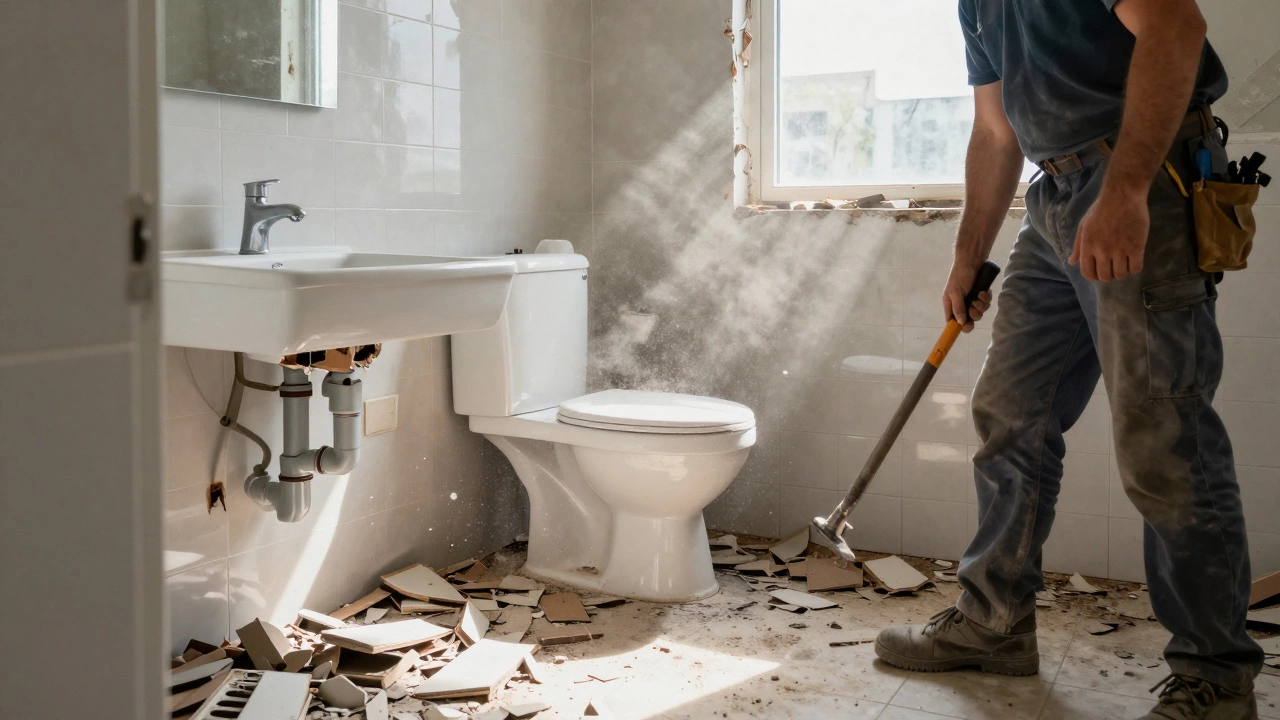
A small bathroom renovation in 2025 typically takes 2 to 6 weeks, depending on plumbing changes, material delays, and unexpected issues like mold or rot. Planning ahead and sticking to the original layout helps keep timelines on track.