How Long Should a Small Bathroom Renovation Take in 2025?
Small Bathroom Renovation Timeline Calculator
Estimate Your Renovation Timeline
Enter your project details to see estimated timeline.
Ever stared at your old bathroom and wondered how long it’ll actually take to turn it into something you love? You’re not alone. A small bathroom renovation in 2025 doesn’t have to be a months-long nightmare-but it also won’t be done in a weekend if you’re serious about quality. Most homeowners in Auckland and beyond expect it to take 2 to 4 weeks, but that’s only true if everything goes smoothly. The truth? Small bathroom renovation timelines vary wildly based on what you’re changing, who’s doing the work, and whether surprises pop up behind the tiles.
What Counts as a ‘Small’ Bathroom?
First, let’s get clear on what we’re talking about. A small bathroom usually means one with a toilet, sink, and shower-no bathtub. It’s often under 40 square feet. That’s the kind you find in apartments, guest suites, or older homes. If you’re adding a bathtub, expanding the space, or moving plumbing lines, you’re no longer doing a small renovation. You’re doing a full bathroom overhaul, and that’s a whole different ballgame.
For a true small bathroom renovation, you’re likely keeping the footprint the same. You’re swapping out fixtures, retiling, updating lighting, and maybe moving a vanity. That’s the sweet spot for a 2- to 4-week project.
Breakdown: What Happens Week by Week
Here’s how a typical small bathroom renovation plays out in real life, not the idealized version you see on TV.
Week 1: Demo and Prep
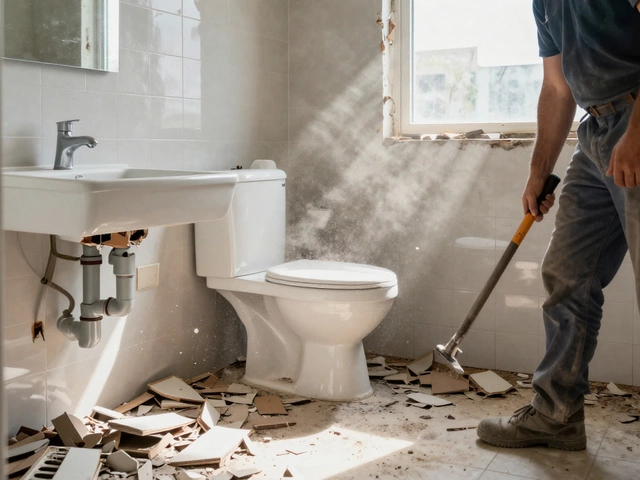
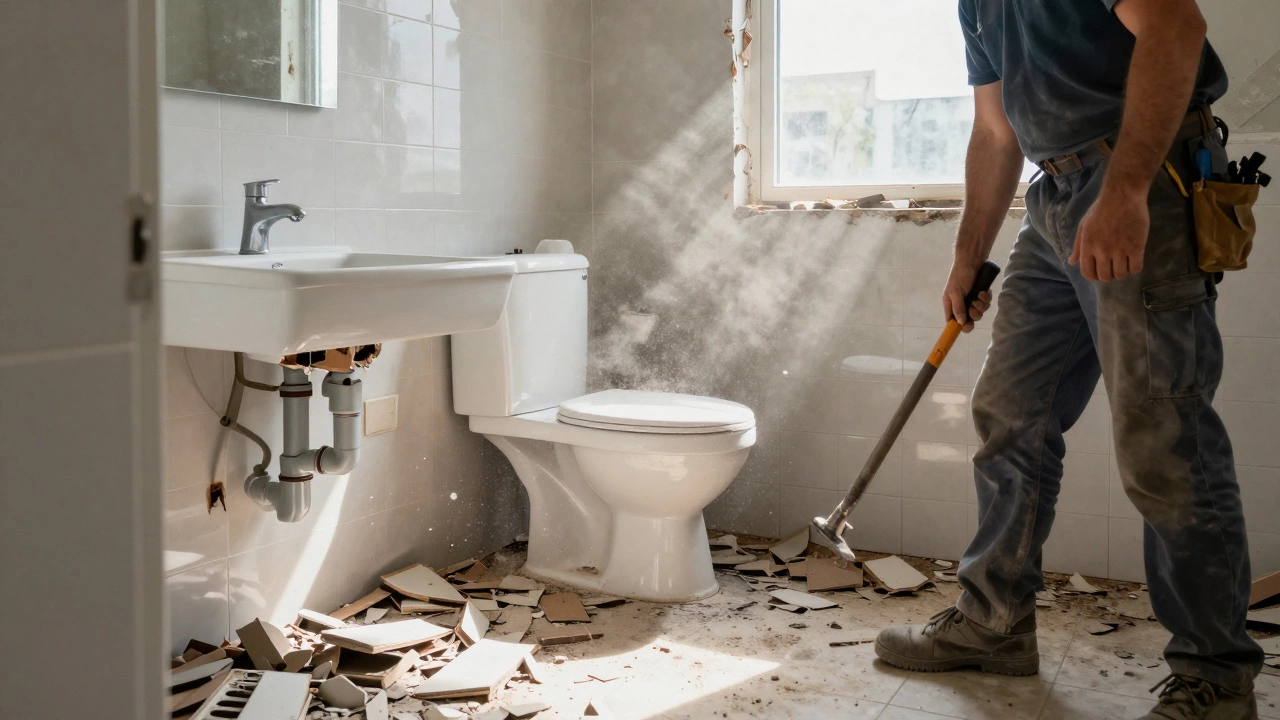
This is where things get messy. Contractors remove the old toilet, sink, shower base, tiles, and sometimes even the subfloor. If you’ve got old plumbing or electrical wiring from the 1980s, expect delays. In Auckland homes built before 2000, it’s common to find asbestos in the backing of floor tiles or lead paint under old cabinets. If that shows up, you’ll need to pause for testing and safe removal-adding 3 to 5 days. Most teams finish demo in 3 to 5 days if there are no surprises.
Week 2: Rough-Ins and Repairs
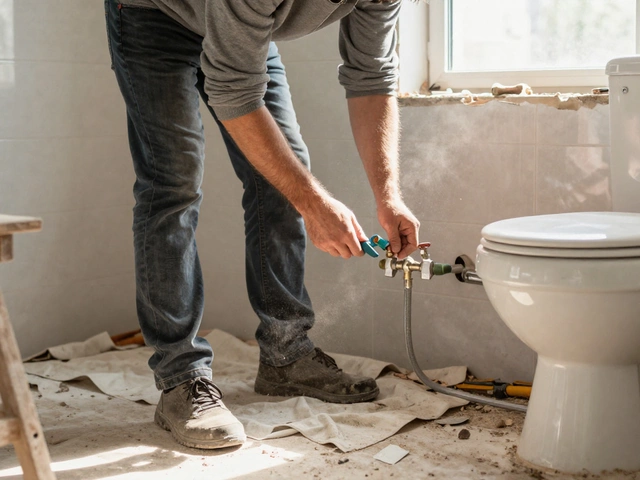
Now the electrician and plumber come in. They run new pipes for the shower, install new drain lines, and upgrade wiring for LED lighting or heated floors. If you’re moving the toilet even 6 inches, that’s a big deal. It means cutting into the concrete slab or repositioning the waste line, which can add days. Water damage from the old bathroom? That’s another hidden cost. Rot in the subfloor or wall studs needs to be cut out and replaced. This stage often runs over by a few days if you didn’t get a full inspection before demolition.
Week 3: Installation
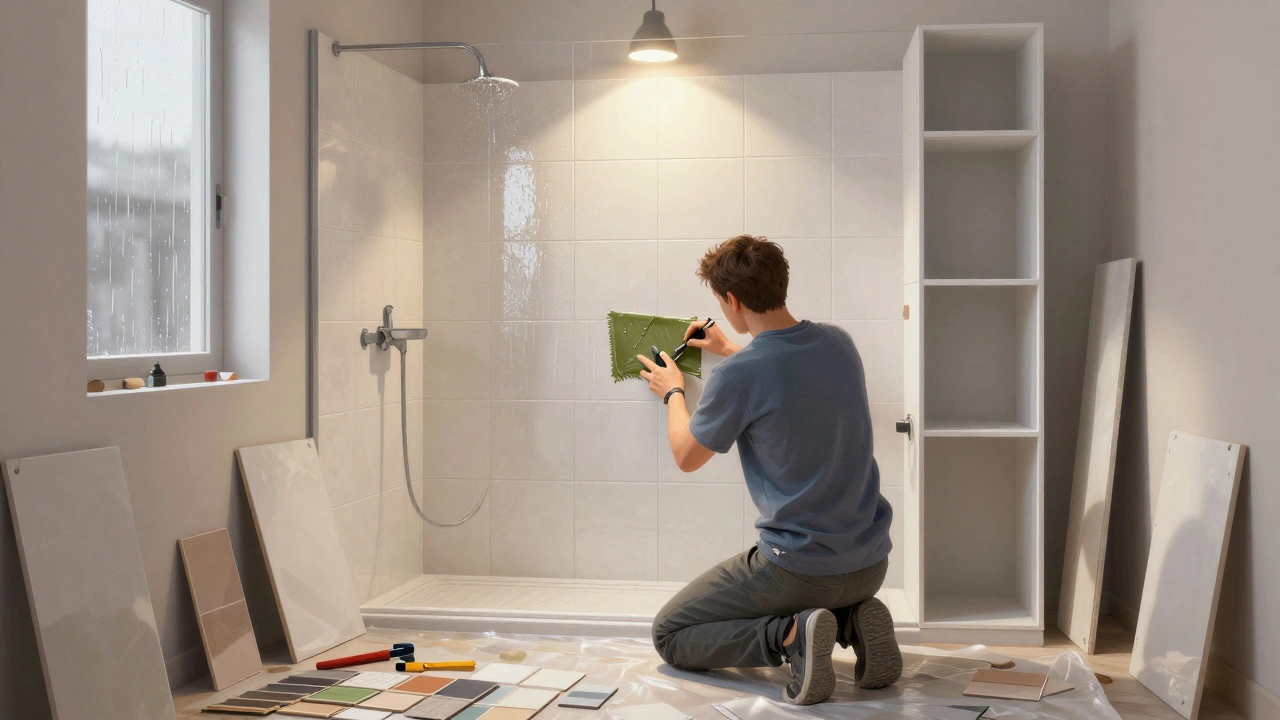
This is when things start looking like a bathroom again. New tiles go down-floor and walls. If you’re using large-format tiles, installers work faster. Small mosaic tiles? That’s slow, careful work. The shower pan gets set, the vanity is mounted, the toilet and sink are hooked up. Lighting and exhaust fans go in. This stage usually takes 5 to 7 days if materials arrive on time. Delays? Common. A backordered faucet or custom tile can hold up the whole schedule.
Week 4: Finishing Touches and Cleanup
Caulking, grouting, trim, mirrors, towel bars, and final cleaning. Grout needs 24 to 48 hours to cure before you can use the shower. Sealant on the tiles needs another day. Final inspections from the local council (if required) can add another 1 to 3 days, especially in Auckland where building inspections are backed up. Once it’s clean and dry, you’re done.
What Can Speed Things Up?
You can shave off a week if you plan smart.
- Choose all fixtures and materials before demolition starts. No last-minute trips to the store.
- Use prefab shower units instead of tiling the entire enclosure. They install in hours, not days.
- Stick with existing plumbing locations. Moving pipes adds cost and time.
- Work with a contractor who has their own crew-no subcontractors running late.
- Get your building consent early. In Auckland, you can apply online through the council portal. Don’t wait until the demo day.
What Slows Things Down?
Here’s what turns a 2-week job into a 6-week headache:
- Discovering mold behind the walls. It’s more common than people think, especially in damp climates like Auckland’s.
- Waiting for custom items. A unique vanity, imported tiles, or a specific brass faucet can take 3 to 6 weeks to arrive.
- Bad weather. Rain delays exterior access or drying time for adhesives and grout.
- Contractor no-shows. If they’re juggling three jobs at once, yours gets pushed.
- Not getting permits. Some council areas require approval for plumbing changes-even in small bathrooms.
Real-World Example: Auckland Homeowner’s Timeline
Last March, a couple in Ponsonby replaced their 1970s bathroom. They kept the layout, swapped the tub for a walk-in shower, installed new tiles, and upgraded lighting. They chose all materials before demolition. The contractor had a fixed crew. They got their consent approved in 5 days. Demo took 2 days. Plumbing and electrical were done in 3. Tiles went in over 4 days. Vanity and fixtures installed in 2. Final inspection passed on day 18. Total time: 18 days. No delays. No surprises. That’s the ideal.
Compare that to their neighbors down the street. They changed their mind mid-project about the tile color. Ordered new tiles. Waited 4 weeks. Then found rot under the floor. Added 10 days. Total: 8 weeks. And they were still missing a towel rail.
Can You Do It Yourself?
If you’re handy, you might think you can save time and money by doing it yourself. But here’s the catch: most DIY bathroom jobs take 2 to 3 times longer than professionals. Why?
- Learning how to tile properly takes practice. One mistake means pulling it all out.
- Plumbing leaks are expensive. A single bad joint can flood your downstairs neighbor’s place.
- Building codes aren’t optional. If your shower drain isn’t sloped right, water pools. The council will make you redo it.
- Waiting for tools, materials, and permits eats up weekends.
For a small bathroom renovation, it’s usually smarter to hire a licensed plumber and tiler-even if you paint the walls or install the vanity yourself. The big stuff needs expertise.
What to Do While You Wait
Renovations are messy. You’ll need a backup plan.
- Use a guest bathroom, a friend’s place, or a local gym for showers.
- Keep a portable toilet and hand-washing station in the laundry if you’re stuck at home.
- Store toiletries in a plastic bin so they’re not buried under dust.
- Plan for noise. Demolition is loud. Schedule workdays when you’re out of the house.
Don’t underestimate how disruptive this is. Even a 2-week job feels longer when you’re dodging sawdust and wet floors.
Final Timeline Summary
Here’s what you can realistically expect:
| Phase | Duration | Notes |
|---|---|---|
| Planning & Permits | 1-2 weeks | Apply early. Delays here stretch the whole project. |
| Demolition | 2-5 days | Longer if asbestos, mold, or old plumbing is found. |
| Rough-Ins (Plumbing/Electrical) | 3-7 days | Time increases if you move fixtures or find damage. |
| Tiling & Installation | 5-10 days | Custom tiles or complex layouts add days. |
| Fixtures & Finishing | 3-5 days | Includes grout curing, sealing, and final cleaning. |
| Inspection & Handover | 1-3 days | Council inspections can backlog in busy seasons. |
| Total | 2-6 weeks | Average: 4 weeks |
If you’re aiming for under 2 weeks, you need a simple job, no changes to plumbing, pre-selected materials, and a reliable contractor. Anything more complex? Budget for 4 to 6 weeks. Don’t rush it. A bad tile job or leaky pipe will cost you more than waiting a few extra days.
What to Ask Your Contractor
Before you sign anything, ask these questions:
- Do you handle permits, or do I need to get them?
- What’s your timeline if we hit a surprise like mold or rot?
- Who’s doing the work-your crew or subcontractors?
- Can I see recent photos of a similar small bathroom job you finished?
- What’s your policy if materials are delayed?
Good contractors won’t give you a fixed end date without a buffer. If they promise ‘10 days flat,’ walk away. That’s not confidence-that’s ignorance.
Can I live in my house during a small bathroom renovation?
Yes, but it’s not comfortable. Dust, noise, and lack of a working bathroom make it tough. Most people use a guest bathroom, a friend’s place, or a gym. If you must stay, seal off the bathroom with plastic sheeting, use a portable toilet, and keep cleaning supplies handy. Plan for at least one full day without running water.
Is it cheaper to do a small bathroom renovation myself?
Sometimes, but not usually. DIY saves labor costs, but mistakes cost more. A single leaky pipe can cause $5,000 in water damage. Tiling wrong means ripping it out and buying new materials. Professional contractors buy materials at trade prices and know how to avoid delays. For most people, the time and stress savings make hiring worth it.
What’s the most expensive part of a small bathroom renovation?
Labor and plumbing. Fixtures like toilets and vanities are cheap compared to moving pipes or rewiring. If you’re changing the layout, you’re paying for demolition, structural repairs, and new plumbing runs. Tiling labor is also high-especially if you choose complex patterns or natural stone. The biggest budget killers are surprises: mold, rot, or outdated wiring.
Do I need a building consent for a small bathroom renovation?
It depends. If you’re moving plumbing, changing the layout, or altering structural elements, yes. In Auckland, any plumbing change requires a building consent. If you’re just swapping fixtures in the same spot, you might not need one-but check with your local council. Skipping consent can cause problems when you sell your home.
What’s the fastest way to renovate a small bathroom?
Keep the layout the same, use prefab shower units, choose stock fixtures you can buy immediately, and hire a contractor with a fixed crew. Skip custom tiles, heated floors, or complex lighting. Stick to white or neutral colors-they’re easier to source. Get all materials delivered before demolition starts. With this approach, you can finish in under 3 weeks.
Next Steps
If you’re planning a renovation this year, start by measuring your bathroom and listing what you want to change. Then, visit three local contractors. Ask for their timeline for a similar job. Don’t pick the cheapest. Pick the one who explains the process clearly and gives you a realistic schedule. And don’t forget to get your building consent sorted before you break a single tile.
A good bathroom renovation isn’t about speed. It’s about getting it right the first time. Take the time now, and you’ll thank yourself for years.