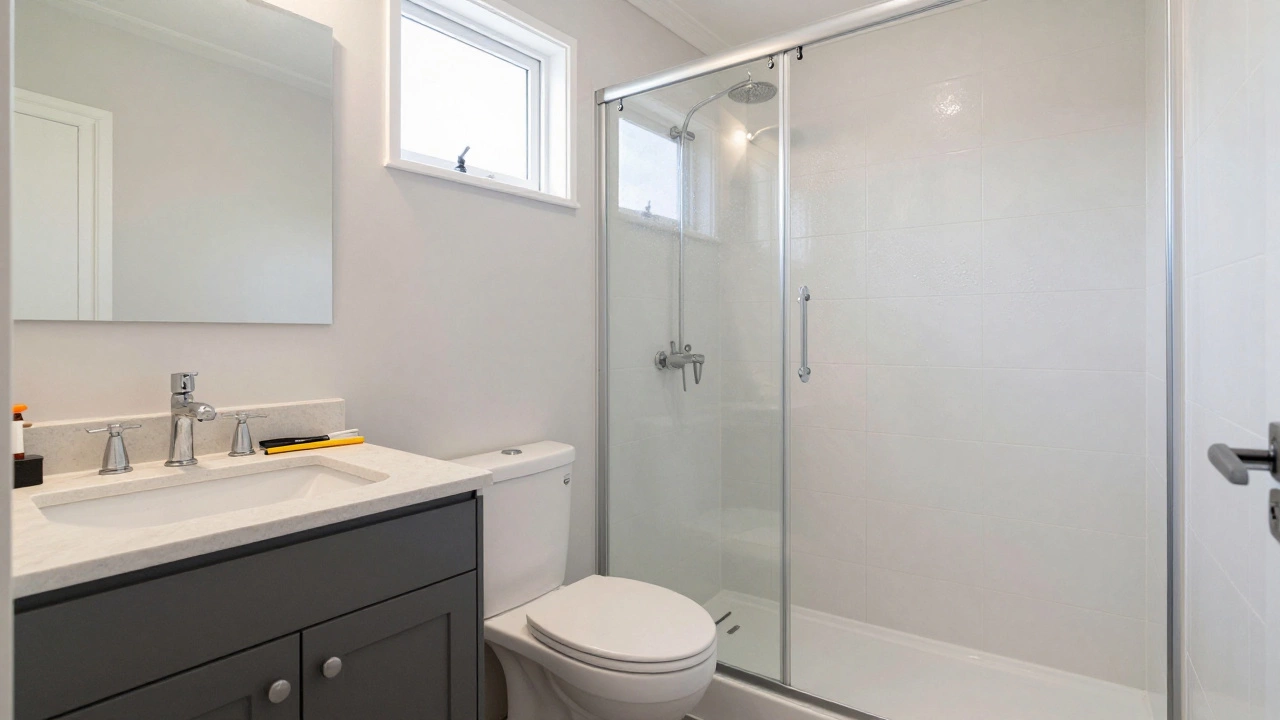
Yes, you can renovate a bathroom for $10,000 in New Zealand in 2025-with smart choices, DIY work, and sticking to the budget. Learn where to spend and where to save.
When people talk about bathroom cost NZ, the total price of updating a bathroom in New Zealand, including materials, labor, permits, and unexpected repairs. Also known as bathroom renovation expenses, it's not just about tiles and faucets—it's about what’s hidden behind the walls. Most homeowners assume the biggest expense is the shower or vanity, but the real shock comes from plumbing and electrical work. In New Zealand, moving a single pipe can add $2,000 to $5,000 to your bill because of the complexity of older homes and strict building codes.
Plumbing costs, the price of relocating or replacing water and waste lines during a bathroom renovation. Also known as pipe work, it’s the #1 budget buster in 7 out of 10 bathroom jobs here. Drainage issues, corroded pipes, or upgrading to meet current standards often require breaking into floors or walls. Then there’s bathroom fixtures, the visible components like sinks, toilets, showers, and taps that define the look and function of the space. While you can spend $300 or $3,000 on a single tap, the real value comes from durability and water efficiency—especially in areas with water restrictions. And don’t forget bathroom remodel time, how long a renovation takes from demolition to final inspection. In 2025, a small bathroom in Auckland or Wellington typically runs 3 to 6 weeks, but delays from material shortages or mold discovery can push it to 10 weeks. These aren’t just numbers—they’re realities that shape your budget and sanity.
What you’ll find in these posts isn’t guesswork or fluff. It’s real breakdowns of what drains your wallet, what adds value, and what you can skip without regret. You’ll see why replacing a toilet might cost less than fixing the pipe behind it. Why choosing the right tile matters more than the brand. Why some contractors charge more because they know what most people don’t—that the cheapest bid often means the most surprises. Whether you’re in Christchurch, Tauranga, or Dunedin, the same rules apply: plan for the hidden stuff, expect delays, and never skip the inspection.
Yes, you can renovate a bathroom for $10,000 in New Zealand in 2025-with smart choices, DIY work, and sticking to the budget. Learn where to spend and where to save.