How Much Cracking Is Normal in a New Build? A Complete Guide

New Build Crack Severity Analyzer
Ready to Analyze
Select the characteristics above and click Analyze to see if your crack is likely cosmetic or structural.
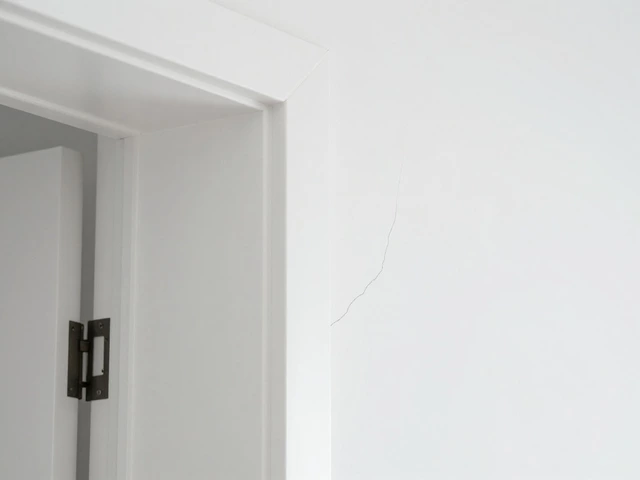
You just got the keys to your brand-new home. The paint is fresh, the floors are gleaming, and you’re ready to unpack. Then you spot it: a thin line running down the wall near the doorframe. Panic sets in. Is this a sign that your house is falling apart before you’ve even moved in? Or is it just part of the process?
If you own a new build, seeing cracks can feel like a betrayal. You paid for perfection, not defects. But here’s the truth: some cracking is completely normal. In fact, if you don’t see any cracks at all in the first year or two, you might actually have something to worry about. Buildings move. Materials shrink. Foundations settle. The key isn’t avoiding cracks entirely-it’s knowing which ones are harmless cosmetic issues and which ones signal a serious structural problem.
Why Do New Builds Crack?
To understand why cracks happen, you need to look at what happens during construction. A house isn’t a static object; it’s a collection of materials that react to temperature, moisture, and weight. When these materials change, they exert force on each other. If those forces aren’t managed correctly, stress builds up until the material gives way-creating a crack.
Another major factor is thermal expansion. Brickwork, timber framing, and plasterboard all expand when hot and contract when cold. In regions with wide temperature swings, like Auckland where we experience everything from humid summers to chilly winters, this movement is constant. If the builder hasn’t installed proper control joints or expansion gaps, the structure has no room to breathe, leading to splits in render, brickwork, or internal drywall.
Then there’s soil settlement. Even after extensive geotechnical surveys, the ground beneath your foundation will shift slightly as it compacts under the weight of the building. This is called differential settlement. Small amounts are expected and accounted for in engineering designs. Large amounts, however, indicate poor soil preparation or unstable ground conditions.
Hairline Cracks: The Most Common Culprit
The vast majority of cracks you’ll see in a new home are hairline cracks. These are incredibly fine fissures, usually less than 1 millimeter wide. They often appear in plaster, drywall (plasterboard), or rendered surfaces. You might notice them appearing suddenly after a particularly hot week or following heavy rain.
- Width: Less than 1mm (about the thickness of a credit card).
- Appearance: Thin, straight, or slightly jagged lines.
- Location: Often found near corners of doors and windows, or along ceiling-wall junctions.
- Cause: Shrinkage of plaster or paint, minor movement of timber frames.
These cracks are purely cosmetic. They don’t affect the structural integrity of the building. Think of them like wrinkles on skin-they show that the material is aging and adjusting to its environment. You can fix them easily with filler and a touch-up coat of paint. If your builder offers a warranty period (typically 1-2 years for cosmetic work), report them then, but don’t expect them to disappear forever without maintenance.
Structural Cracks: When to Worry
Not all cracks are created equal. Some patterns indicate that the load-bearing elements of your home are under excessive stress. Identifying these early can save you thousands in repair costs later. Here’s what to look for:
| Feature | Harmless/Cosmetic Crack | Potential Structural Crack |
|---|---|---|
| Width | Less than 1mm | Greater than 3mm (width of a coin) |
| Direction | Vertical, horizontal, or random | Diagonal (stepping pattern in brickwork) |
| Progression | Stable, doesn't grow | Grows wider or longer over weeks/months |
| Location | Plaster, drywall, surface render | Foundation beams, load-bearing walls, floor slabs |
| Associated Signs | None | Sticking doors/windows, uneven floors, bulging walls |
A diagonal crack running through brickwork, especially one that steps across mortar joints, is a classic red flag. This suggests that one part of the wall is moving relative to another, possibly due to foundation failure. Similarly, a horizontal crack in a basement wall or retaining wall indicates pressure from the outside soil pushing inward. If you see any of these, stop decorating and call a structural engineer immediately.
The Role of Control Joints and Expansion Gaps
Good builders anticipate movement. That’s why you’ll see deliberate gaps or grooves in driveways, patios, and sometimes even interior walls. These are control joints. Their job is to concentrate stress in a specific, controlled location so that if cracking does occur, it happens neatly within the joint rather than randomly across a beautiful surface.
In new builds, check around large openings like garage doors or sliding glass panels. There should be an expansion gap filled with flexible sealant. If this gap is missing or filled with rigid concrete, the frame will pull against the surrounding masonry during temperature changes, causing cracks. This is a common oversight in budget builds.
Also, inspect the perimeter of slab-on-ground foundations. A slight separation between the slab edge and the foundation wall is normal and necessary. It allows the slab to move independently of the vertical structure. If this gap is sealed shut with grout, you risk cracking both the slab and the wall.
Timber Frame Movement and Drywall Issues
If your home uses timber framing (common in many modern constructions), expect more movement than in masonry homes. Timber absorbs moisture from the air and releases it as humidity drops. This swelling and shrinking can cause screw heads to pop out of plasterboard or create small gaps at joints.
Drywall itself is also prone to cracking if not installed correctly. Tapered edges need to be taped and finished with multiple layers of joint compound. If the builder rushed this step, the tape may peel away, leaving visible lines. Additionally, if screws are driven too deep into the studs, they can tear the paper face of the drywall, creating weak points that crack under vibration from footsteps or HVAC systems.
To minimize these issues, ensure your builder uses quality materials and follows best practices for fixing. For example, using self-tapping screws instead of nails reduces the risk of popping. Applying a fiberglass mesh tape over joints adds tensile strength, preventing future splits.
What Should You Do Now?
First, take photos. Document every crack you find, including close-ups and wider shots showing context. Use a ruler or coin next to the crack to provide scale. Date the photos. This creates a baseline record that proves whether cracks are stable or growing.
Next, monitor. Check the cracks monthly for the first year. Mark the ends of the crack with a pencil and date it. If the crack extends past your mark, it’s active. Active cracks require professional assessment. Stable cracks can be repaired cosmetically.
If you’re still within the builder’s warranty period (usually 6 months to 2 years depending on your region and contract terms), submit a formal defect report. Include your photos and notes. Be specific about locations and dimensions. Builders are more likely to respond to detailed, documented evidence than vague complaints.
For larger concerns, hire an independent structural engineer. Don’t rely solely on the builder’s inspector. An independent expert will give you an unbiased opinion on whether the cracks are cosmetic or indicative of deeper problems. This peace of mind is worth the investment.
Preventing Future Cracks
While you can’t stop natural settling, you can reduce the likelihood of problematic cracks. Start by maintaining consistent indoor humidity levels. Extreme dryness causes timber to shrink rapidly; excessive moisture makes it swell. Aim for 40-60% relative humidity inside your home.
Avoid planting large trees too close to your foundation. Tree roots seek water and can destabilize the soil beneath your house, leading to subsidence. Keep shrubs and bushes trimmed away from exterior walls to prevent moisture buildup, which can erode mortar and weaken brickwork.
Finally, consider upgrading your sealing. High-quality silicone sealants around windows, doors, and expansion joints last longer and remain flexible through more cycles of expansion and contraction. Cheap sealants crack and fail within a few years, allowing water ingress that accelerates deterioration.
Is it normal for a new house to crack in the first year?
Yes, it is very common. Most new buildings experience minor settling and material shrinkage during their first 12-24 months. Hairline cracks in plaster or render are typical and usually cosmetic. However, wide or growing cracks should be inspected by a professional.
How wide is too wide for a crack in a new build?
Cracks wider than 3 millimeters (about the width of a dime) are generally considered significant and warrant investigation. Cracks between 1mm and 3mm should be monitored for growth. Anything under 1mm is typically a cosmetic issue related to plaster or paint shrinkage.
Do diagonal cracks always mean structural damage?
Not always, but they are a strong indicator of potential structural movement. Diagonal cracks, especially those forming a 'step' pattern in brickwork, suggest differential settlement. While some minor diagonal cracking can occur due to thermal stress, persistent or widening diagonal cracks require assessment by a structural engineer.
Who pays for repairing cracks in a new build?
If the cracks are deemed defective workmanship or result from poor construction practices, the builder is usually responsible under their warranty. Cosmetic hairline cracks may be covered under a limited warranty period (often 1-2 years). Structural issues are typically covered for longer periods (up to 10 years in some jurisdictions). Always check your specific contract terms.
Can I fix hairline cracks myself?
Yes, hairline cracks are easy DIY repairs. Clean the area, apply a flexible filler or joint compound, smooth it with a putty knife, sand lightly once dry, and repaint. For recurring cracks, use a stretchable membrane tape designed for drywall or plaster to bridge the gap and absorb future movement.
When should I call a structural engineer?
Call a structural engineer if you see cracks wider than 3mm, diagonal stepping cracks in masonry, horizontal cracks in foundation walls, or if doors and windows begin sticking despite recent adjustments. Also consult an engineer if cracks continue to grow over several weeks or if you notice uneven flooring or bulging walls.