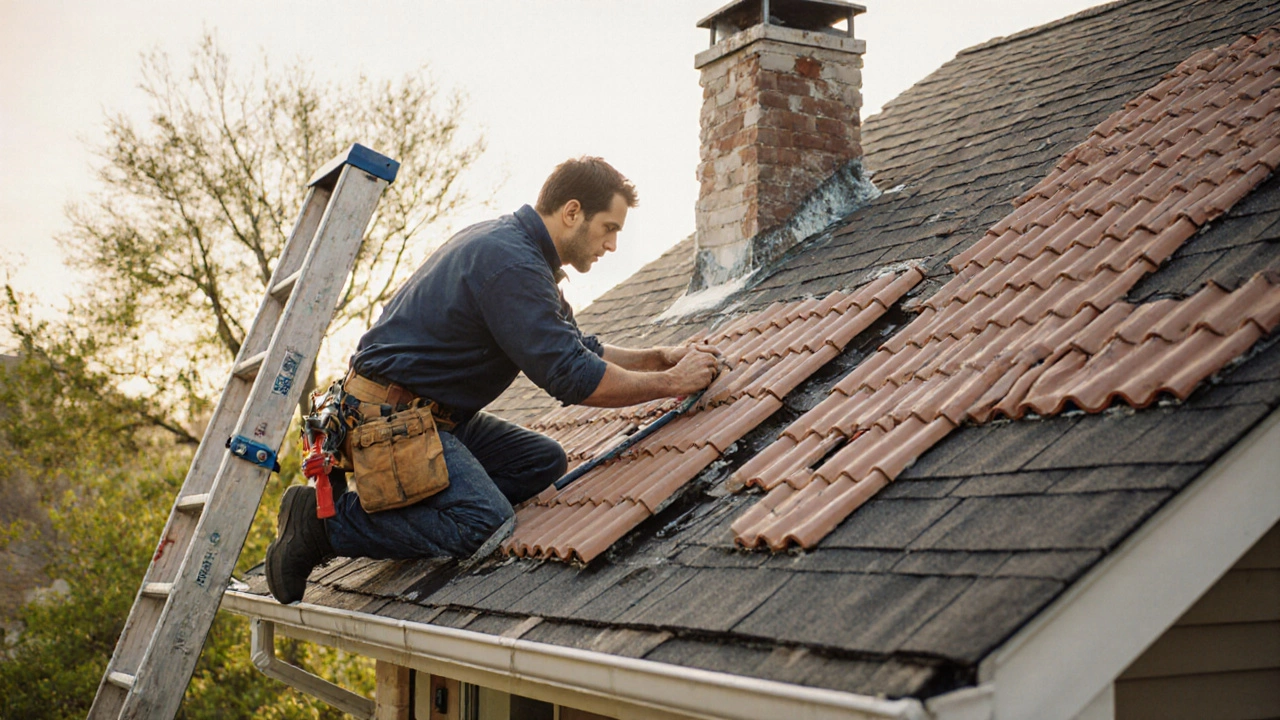
Roofing services protect your home from water, wind, and energy loss. Learn what they really include, when you need them, and how to choose a reliable provider in New Zealand.
When you think about roof installation, the process of putting a new roof on a building, including underlayment, flashing, and final covering. Also known as roof replacement, it's one of the most critical home projects you'll ever tackle—because a bad roof can ruin everything underneath. It’s not just slapping on shingles. It’s about structure, weather resistance, and long-term value. A poorly installed roof doesn’t just leak—it can rot your rafters, warp your walls, and drop your home’s value fast.
Roof pitch, the angle or slope of your roof, measured in rise over run determines what materials you can use. Steep roofs need different shingles than low-slope ones. Flat roofs? They need membrane systems, not asphalt. And if you’re using a roofing material calculator, a tool that estimates how much material you need based on square footage and slope, you can’t just plug in 2000 sq ft and call it done. You’ve got to factor in waste—usually 10% to 20% extra—because cuts, overlaps, and ridges eat up material. Skip this step, and you’re either buying too little (delaying the job) or wasting money on unused bundles.
Then there’s the roofing cost, the total price of materials and labor to install a new roof. It’s not just about the shingles. Flashing around chimneys, vents, and valleys? That’s where leaks start. Underlayment? That’s your backup layer. And labor? A good crew won’t cut corners on nailing patterns or drip edges. You might see cheap quotes, but if they’re not accounting for proper ventilation or ice dam protection, you’re just buying trouble.
Most people don’t realize that roof installation connects directly to other home systems. A bad roof can cause foundation problems from water pooling. It can ruin your insulation, making your heating bills spike. And if you live in an older home, you might be dealing with hidden rot or outdated decking that needs replacing before the new roof goes on. That’s why some roof jobs turn into full structural repairs—and why you need to know what you’re getting into before you sign a contract.
What you’ll find below are real posts from people who’ve been through this. From calculating exact material needs for a 2000 sq ft roof, to understanding why some materials last decades while others fail in five years, to spotting the hidden costs most contractors won’t tell you about. These aren’t theory pieces—they’re lessons from actual jobs, with numbers, mistakes, and fixes that worked. Whether you’re planning a full replacement or just trying to understand why your quote is so high, this collection gives you the facts you need to make a smart decision.
Roofing services protect your home from water, wind, and energy loss. Learn what they really include, when you need them, and how to choose a reliable provider in New Zealand.