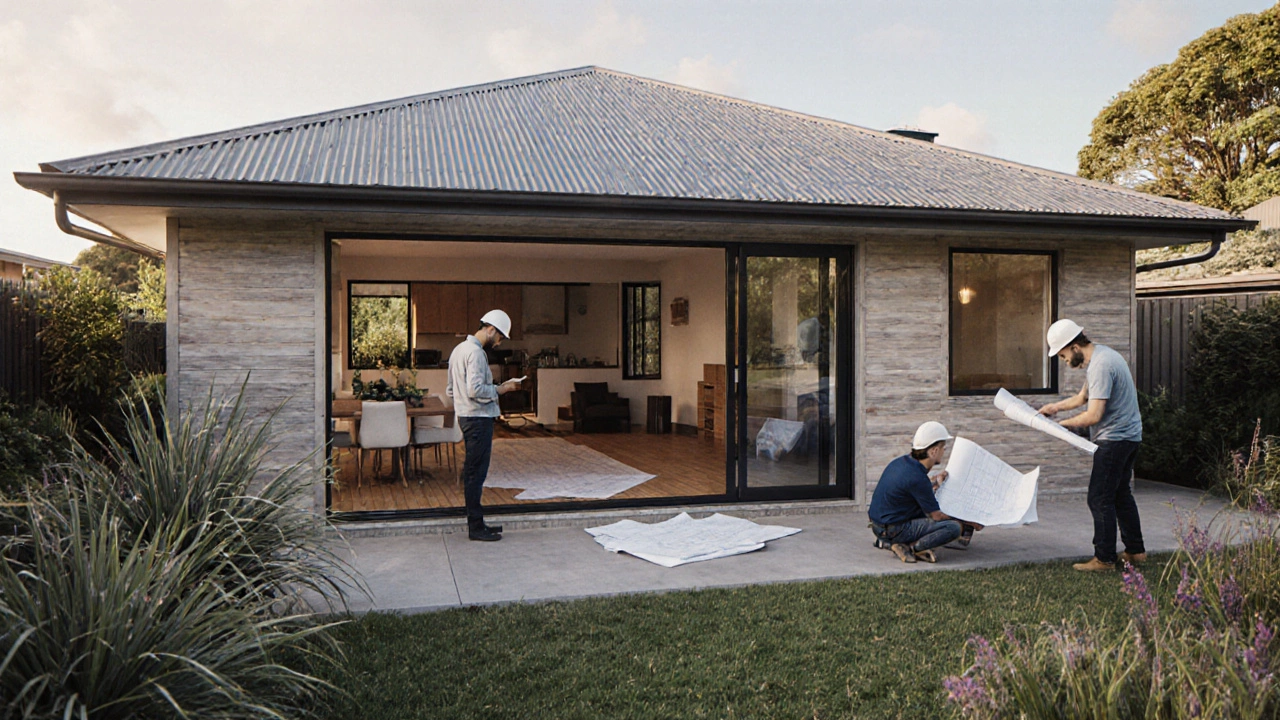
Find out how much a house extension costs in New Zealand in 2025, including breakdowns for materials, permits, labour, and hidden fees. Learn how to save money and avoid common mistakes.
When you’re thinking about a house extension, a structural addition to your home that increases usable space, often used for kitchens, living areas, or extra bedrooms. Also known as a home extension, it’s one of the most common ways UK homeowners gain space without moving. But quotes can vary wildly—from £15,000 to over £80,000—and most people don’t know why. It’s not just about square meters. It’s about foundations, permits, materials, and whether your builder includes the little things like electrics, plumbing, and waste removal.
Not all extension builders, contractors who specialize in adding rooms to existing homes, often handling everything from design to final cleanup are the same. Some give you a lowball quote hoping to upsell later. Others include everything upfront. The difference? Experience, transparency, and whether they’ve worked on homes like yours. If your house is older, built on clay soil, or near a boundary, that changes everything. Foundation work alone can add £5,000–£15,000 to the bill. And if you need planning permission, that’s another layer of cost and delay most quotes don’t mention.
Then there’s the extension planning, the legal and design process required before construction starts, including local authority approvals and structural calculations. In the UK, you might need full planning permission or just permitted development rights. If you skip this step, you risk fines, forced removal, or trouble selling later. Good builders will guide you through this. Bad ones will say, "We’ll sort it." Don’t believe them. Ask for proof they’ve handled similar cases. Look at photos of past projects. Ask for references from neighbors.
What you’re really buying isn’t just bricks and mortar. It’s peace of mind. A well-built extension adds value, improves your daily life, and lasts decades. But only if it’s done right. The cheapest quote isn’t the best. The most detailed one often is. You’ll find real examples below—what people actually paid, what went wrong, what saved them money, and how to spot a quote that’s too good to be true.
Find out how much a house extension costs in New Zealand in 2025, including breakdowns for materials, permits, labour, and hidden fees. Learn how to save money and avoid common mistakes.