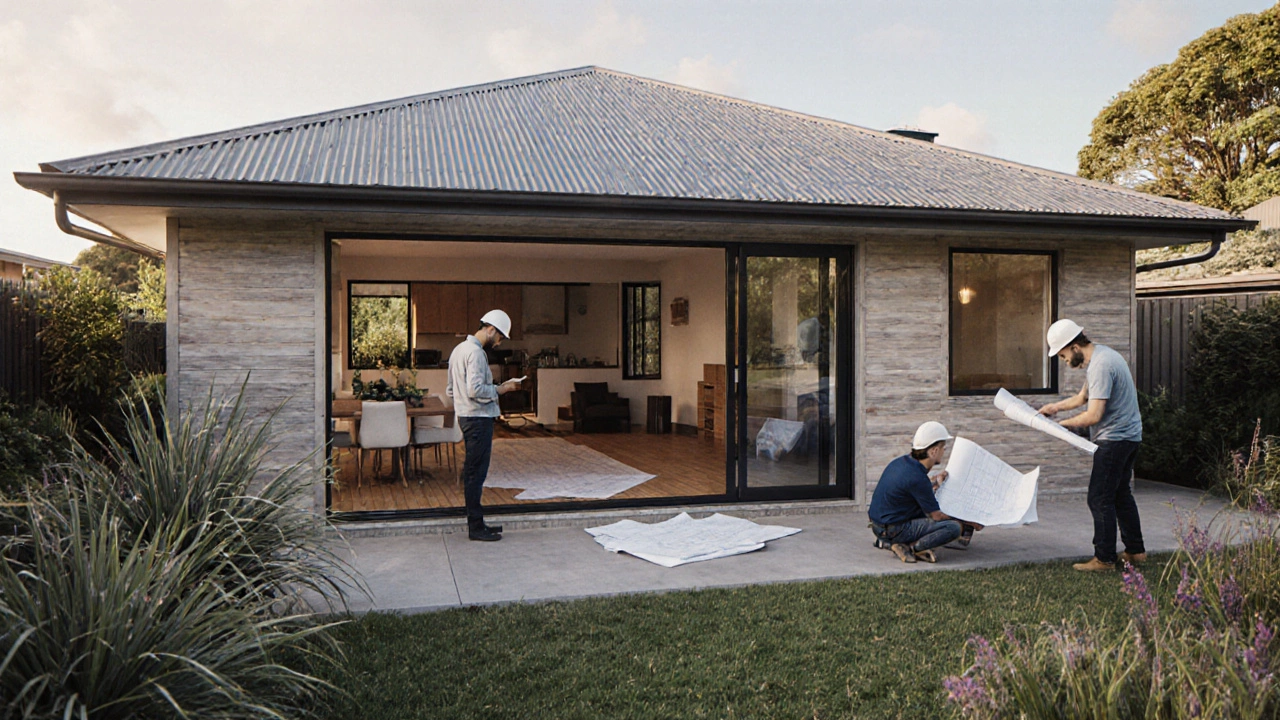
Find out how much a house extension costs in New Zealand in 2025, including breakdowns for materials, permits, labour, and hidden fees. Learn how to save money and avoid common mistakes.
When you think about a house extension, a structural addition to your home that increases usable space without moving. Also known as a home extension, it’s one of the most common ways UK homeowners gain extra room—whether it’s a kitchen bump-out, a sunroom, or a full two-storey rear extension. But here’s the thing: the price tag you see online is rarely the final number. Most people underestimate what goes into it—permits, foundations, plumbing reroutes, and the surprise cost of temporary living arrangements while work happens.
What drives the cost? It’s not just square footage. A building extension, a physical expansion of a home’s footprint, often requiring structural changes and planning approval can cost £1,500 per m² for basic finishes, but jump to £2,500+ if you’re using premium materials like natural stone, custom joinery, or underfloor heating. Then there’s the extension permit, the official approval needed from your local council before construction begins. In some areas, you might need full planning permission; in others, permitted development rights apply—but even then, you’re still dealing with building regulations, structural calculations, and inspections. Skipping this step isn’t just risky—it’s illegal and can tank your home’s value later.
Labour isn’t fixed either. A good builder in London won’t charge the same as one in Manchester. And don’t forget the hidden stuff: disconnecting and reconnecting utilities, temporary fencing, waste removal, and the inevitable delays that add a week or two to the timeline. If your house is on a slope, near a tree, or shares a wall with a neighbour, those factors all add cost. Some homeowners think they can save by doing demolition themselves, but that often leads to damaged pipes or structural issues that cost more to fix later.
People ask if a single-storey extension is cheaper than a two-storey. Yes—but only if you’re comparing the same square footage. Two-storey extensions spread the foundation and roof costs over more usable space, so the cost per square metre often drops. But you’ll need stronger foundations, staircases, and possibly new windows on the upper floor. It’s not just about size—it’s about how the structure behaves under load, how it connects to your existing home, and how much disruption it causes to your daily life.
What you’ll find in the posts below are real examples from people who’ve been through it: how much a basic kitchen extension actually cost, what went wrong with a budget that seemed too good to be true, and how one family turned a £40k project into a £65k nightmare by skipping the structural engineer. You’ll also see how to estimate your own project using simple tools, what questions to ask a builder before signing anything, and which materials actually hold up over time without needing constant repairs. This isn’t theory. It’s what people paid, what they learned, and what they wish they’d known before breaking ground.
Find out how much a house extension costs in New Zealand in 2025, including breakdowns for materials, permits, labour, and hidden fees. Learn how to save money and avoid common mistakes.