How to Make Curtains Look Expensive: 7 Designer Tricks for a High-End Look
Designer Curtain Placement Calculator
Enter your room and window details below to get professional designer specifications for an elevated look.
Your Custom Specifications
Mounting Height
-
From ceiling to top of rod
Total Rod Width
-
Including extensions
Curtain Panel Length
-
Total drop required
Hardware Recommendation
-
Based on total width
There is nothing quite as transformative as a well-dressed window. You can have the most stunning furniture and perfect paint colors, but if your windows look cheap or unfinished, the whole room feels off. The good news? Making your curtains look expensive doesn't require spending a fortune on designer fabrics or hiring an interior decorator. It’s mostly about how you hang them, what hardware you use, and the small details that signal quality.
I’ve spent years tweaking my own home in Auckland, dealing with everything from harsh northern sun to damp coastal air. Along the way, I’ve learned that the difference between 'big box store' and 'bespoke boutique' often comes down to technique rather than price tag. Here is exactly how to elevate your window treatments so they look like they cost triple what they actually did.
Hang Them High and Wide
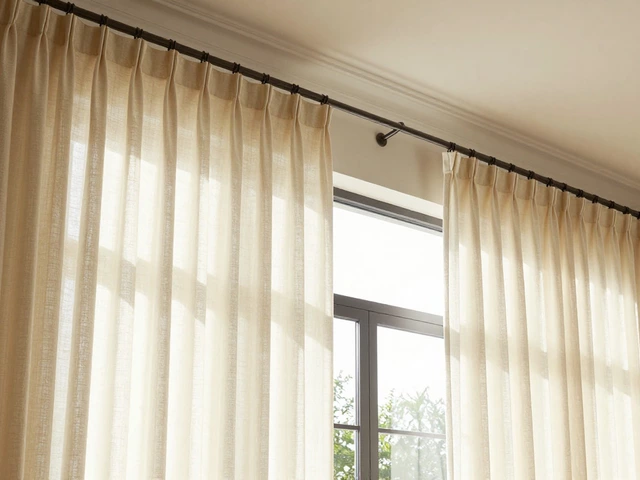
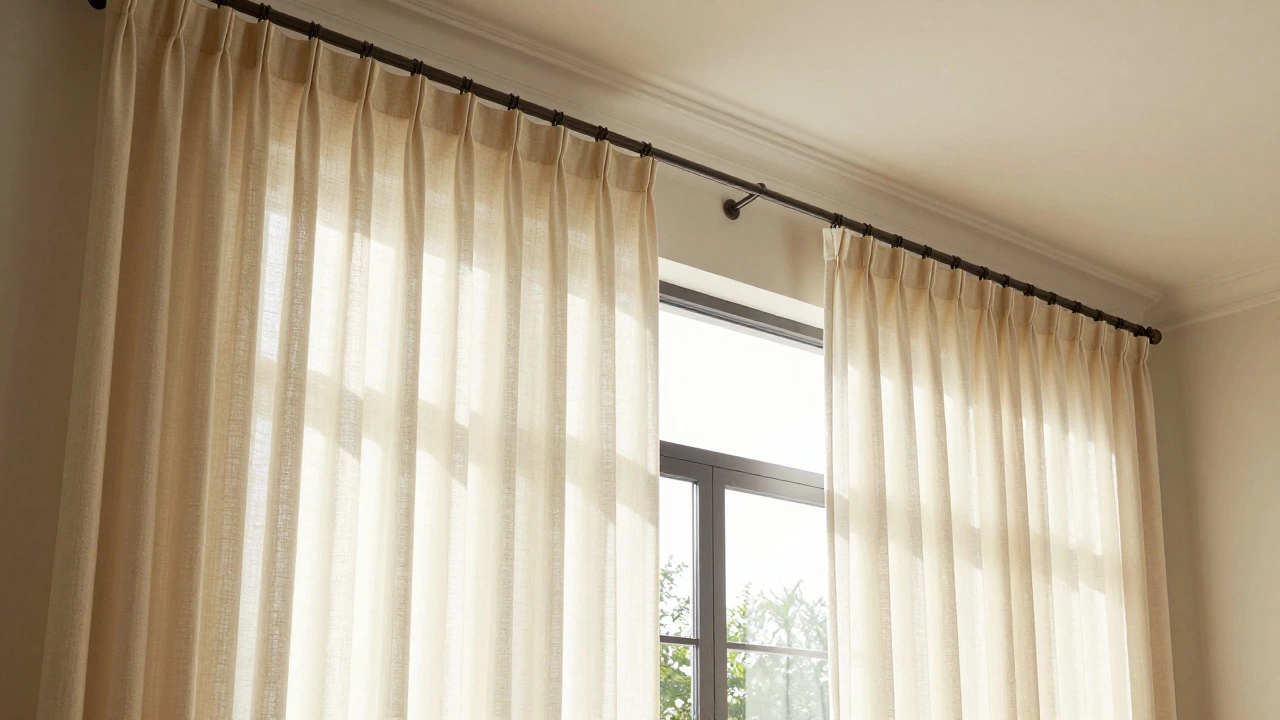
The single biggest mistake people make when hanging curtains is placing the rod too close to the top of the window frame. This makes the window look smaller and the curtains look shorter and cheaper. To instantly create a sense of height and luxury, mount your curtain rod at least four to six inches above the window frame. In rooms with standard eight-foot ceilings, consider mounting it right below the crown molding or even touching the ceiling itself.
Width matters just as much. A narrow rod that barely covers the glass looks cramped. Instead, extend the rod outward by six to ten inches on each side of the window frame. When the curtains are open, they should stack completely off the glass, allowing maximum natural light to flood the room. This wider stance creates a grander appearance and makes the window feel larger than it actually is. It’s a simple optical illusion that designers use constantly.
| Measurement | Standard/Basic Look | Luxury/Expensive Look |
|---|---|---|
| Rod Height Above Frame | 0-2 inches | 4-6+ inches (or to ceiling) |
| Rod Width Extension | Flush with frame | 6-10 inches per side |
| Bottom Hem Clearance | Kissing the floor or floating | Slight break or pooling (1-3 inches) |
Invest in Substantial Hardware
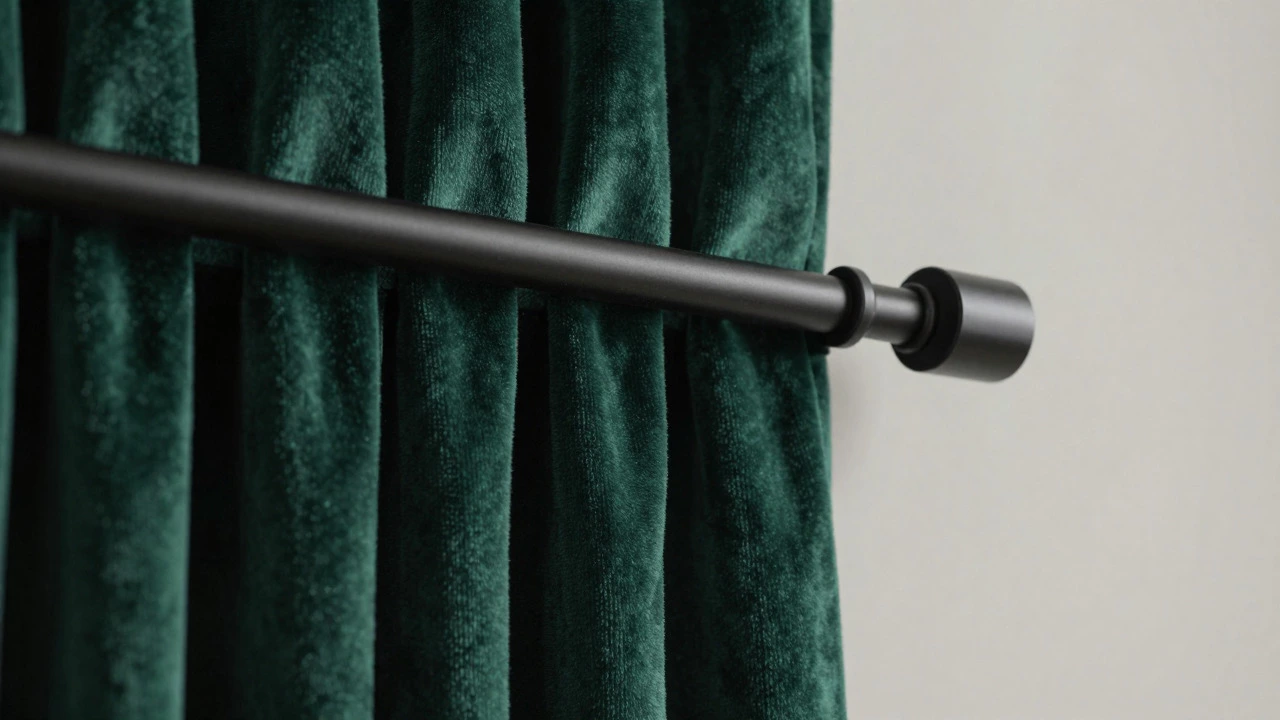
If you want your curtains to look expensive, stop using thin, white plastic rods. They scream 'temporary' and flimsy. Upgrade to a sturdy metal rod-brass, bronze, matte black, or polished nickel works beautifully depending on your decor style. The rod should be thick enough to support the weight of heavy fabric without sagging. Sagging rods are an instant giveaway of cheap installation.
Don’t overlook the finials (the decorative ends of the rod). Simple, sleek finials add a polished finish. If you’re going for a modern look, choose minimalist geometric shapes. For traditional spaces, ornate brass or ceramic finials add character. Ensure the brackets are spaced correctly; for wide windows, you need a center bracket to prevent bowing. Sturdy hardware signals that the rest of the treatment is equally robust.
Choose the Right Fabric Weight and Texture
Fabric is the soul of your curtains. Thin, see-through polyester blends often wrinkle easily and look flat under light. To achieve a high-end look, opt for fabrics with substantial weight and texture. Linen, cotton-linen blends, velvet, and heavy silk blends drape beautifully and hold their shape. Even if you buy affordable linen-blend panels, the natural texture adds depth and visual interest that synthetic smooth fabrics lack.
Consider the opacity. Sheer curtains alone rarely look luxurious unless they are part of a layered system. Heavy blackout linings not only improve insulation and light control but also give the curtain body and structure. A lined curtain hangs with a clean, crisp fold rather than clinging awkwardly. If you’re buying ready-made panels, check the GSM (grams per square meter) rating if available; higher GSM usually indicates a denser, more premium fabric.
Master the Art of Pleats and Headers
The top of your curtain, known as the header, sets the tone for the entire look. Grommet-top curtains, while easy to install, often look casual and mass-produced. For a more tailored, expensive appearance, choose pleated headers. Pencil pleats, euro pleats, and pinch pleats offer different levels of formality. Euro pleats, which sit flat against the rod, provide a very modern, streamlined look. Pinch pleats add volume and classic elegance.
Ensure the pleats are evenly spaced. If you’re sewing your own, take the time to mark measurements precisely. If buying pre-made, shake them out gently before hanging to ensure the folds fall naturally. Uneven or crushed pleats look messy. Ironing the pleats after washing helps maintain that sharp, structured look throughout the year.
Layer Sheers with Drapes
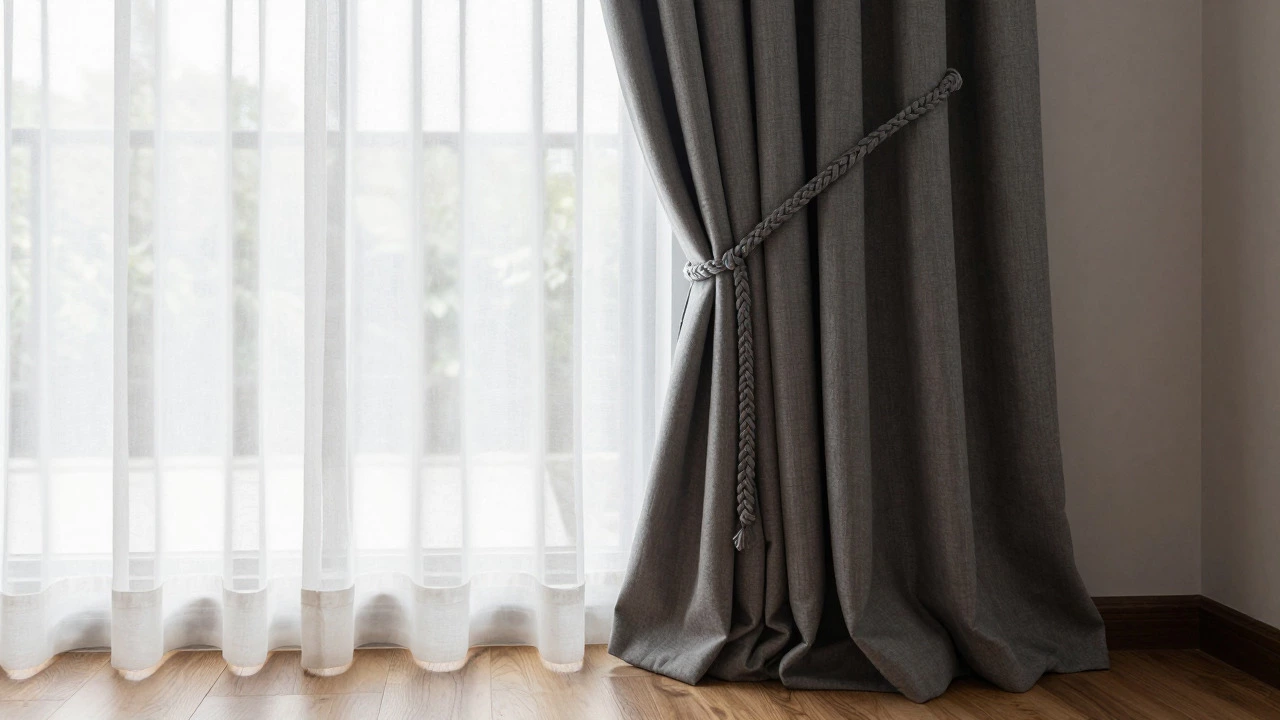
One of the hallmarks of high-end interior design is layering. Using sheer curtains underneath heavier drapes adds depth, dimension, and functionality. During the day, you can draw the sheers for privacy while still letting light in. At night, the heavy drapes provide full coverage. This two-tier approach looks sophisticated and intentional.
To keep this looking tidy, use separate rods or a double-cascade rod. The sheers should be lighter in color-white, cream, or pale gray-to diffuse light softly. The outer drapes can introduce pattern, color, or texture. This combination allows you to mix materials, such as pairing airy linen sheers with rich velvet drapes, creating a dynamic contrast that feels curated and expensive.
Get the Length Perfect
Curtain length is where many DIY projects fail. Curtains that end abruptly halfway down the window look accidental. Those that float slightly above the floor can work in casual settings but rarely look luxurious. For a truly expensive look, aim for one of two styles: "just kissing" the floor or slight pooling.
"Kissing" means the hem rests lightly on the floor without bunching up. This requires precise measurement and possibly hemming. Slight pooling involves allowing 1 to 3 inches of fabric to pool on the floor. This looks dramatic and opulent, especially with heavy fabrics like velvet or silk. However, avoid excessive pooling (more than 3 inches), as it can look sloppy and become a tripping hazard or dust trap. Measure from the bottom of the rod to the floor, then subtract the desired clearance.
Iron Before Hanging
This step is non-negotiable if you want an expensive look. Most ready-made curtains arrive crumpled from packaging. Hanging them directly from the package will result in wrinkled, uneven folds that look tired and cheap. Take the time to iron or steam your curtains before hanging them. Use a medium heat setting appropriate for the fabric type. For linen, a slightly damp cloth and iron help remove stubborn creases. Steaming is gentler and effective for delicate fabrics.
Pressing the seams and hems ensures they lie flat. Pay attention to the pleats; press them open to set their shape. This extra twenty minutes of effort makes a massive difference. Your curtains will hang with authority and grace, reflecting light evenly and showcasing the fabric’s true texture.
Use Curtain Ties or Holdbacks Strategically
When your curtains are open, don’t just let them hang loosely. Use tie-backs or holdbacks to secure them neatly to the sides. This keeps the view unobstructed and highlights the drape of the fabric. Choose ties that complement your rod or upholstery. Braided rope ties add a nautical or relaxed vibe, while fabric-covered ties match the curtain material for a seamless look. Metal holdbacks screwed into the wall offer a permanent, architectural solution.
Position the tie-backs at the widest point of the curtain sweep, usually around the middle or slightly lower. This creates a beautiful fan shape. Avoid tying them too tightly, which distorts the fabric, or too loosely, which defeats the purpose. Properly tied curtains look styled and deliberate, adding a final touch of polish to your window treatment.
What is the best fabric for expensive-looking curtains?
Linen, velvet, and heavy silk blends are top choices for a luxurious look. Linen offers natural texture and breathability, while velvet provides richness and depth. If budget is a concern, high-quality linen-cotton blends mimic the look of pure linen at a lower price point. Avoid thin, shiny synthetics that wrinkle easily.
Should curtains touch the floor or hang above it?
For an expensive look, curtains should either just kiss the floor or have a slight pool of 1-3 inches. Floating above the floor by more than half an inch can look unintentional or short. Kissing the floor is cleaner and easier to maintain, while slight pooling adds drama and opulence.
How high should I hang my curtain rod?
Mount the rod 4 to 6 inches above the window frame, or closer to the ceiling for a dramatic effect. This vertical space elongates the window and makes the room feel taller. Never mount the rod directly on the top edge of the window frame, as this minimizes the window's presence.
Do grommet curtains look cheap?
Grommet curtains can appear casual and mass-produced compared to pleated options. While convenient, they lack the tailored finish of pencil, euro, or pinch pleats. For a high-end look, opt for back-tab or pleated headers that allow for smoother, more structured folding.
Can I make cheap curtains look expensive?
Yes, by focusing on installation and styling. Hang them high and wide, use a substantial metal rod, iron them thoroughly, and ensure proper length. Adding lining can also improve the drape and weight of inexpensive fabric, making it look fuller and more premium.