What Is the Most Popular Kitchen Style in 2026? Trends, Materials, and Layouts
2026 Kitchen Trend Analyzer
Discover the most popular kitchen styles, materials, and layouts for 2026 based on current design trends.
Recommended Features
Walk into a kitchen designed five years ago, and you’ll likely see stark white cabinets, glossy quartz countertops, and an endless expanse of stainless steel appliances. It was clean, sure. But it also felt cold. If you walk into a home renovated in 2026, the vibe is completely different. The air feels warmer. The textures are richer. And instead of looking like a showroom, the space looks lived-in, functional, and deeply personal.
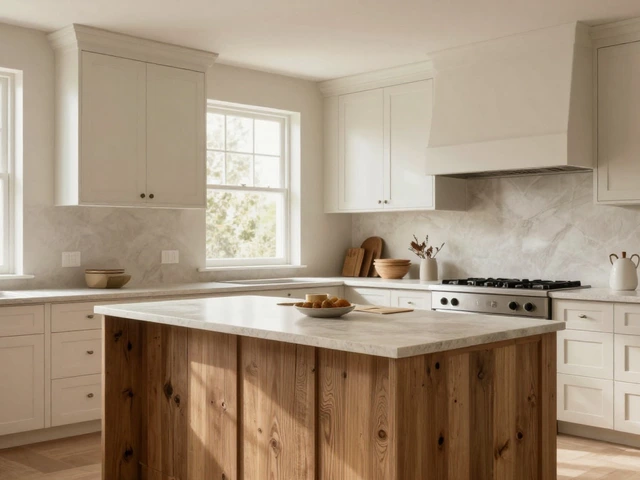
So, what is the most popular kitchen style right now? If you’re looking for a single label, you won’t find one. The era of rigid categories like "Modern" or "Traditional" is fading. Instead, we are seeing a massive shift toward Transitional Design-a hybrid approach that blends the warmth of traditional elements with the clean lines of contemporary aesthetics. However, beneath this umbrella, specific trends are dominating the market: warm neutrals, natural materials, hidden storage, and smart sustainability.
The Rise of Transitional Design
Why has Transitional Kitchen Design taken over? Because people are tired of choosing between comfort and coolness. For decades, interior design forced a binary choice: go sleek and industrial, or go cozy and ornate. In 2026, homeowners want both. They want the durability and ease of cleaning associated with modern minimalism, but they crave the soul and character of classic craftsmanship.
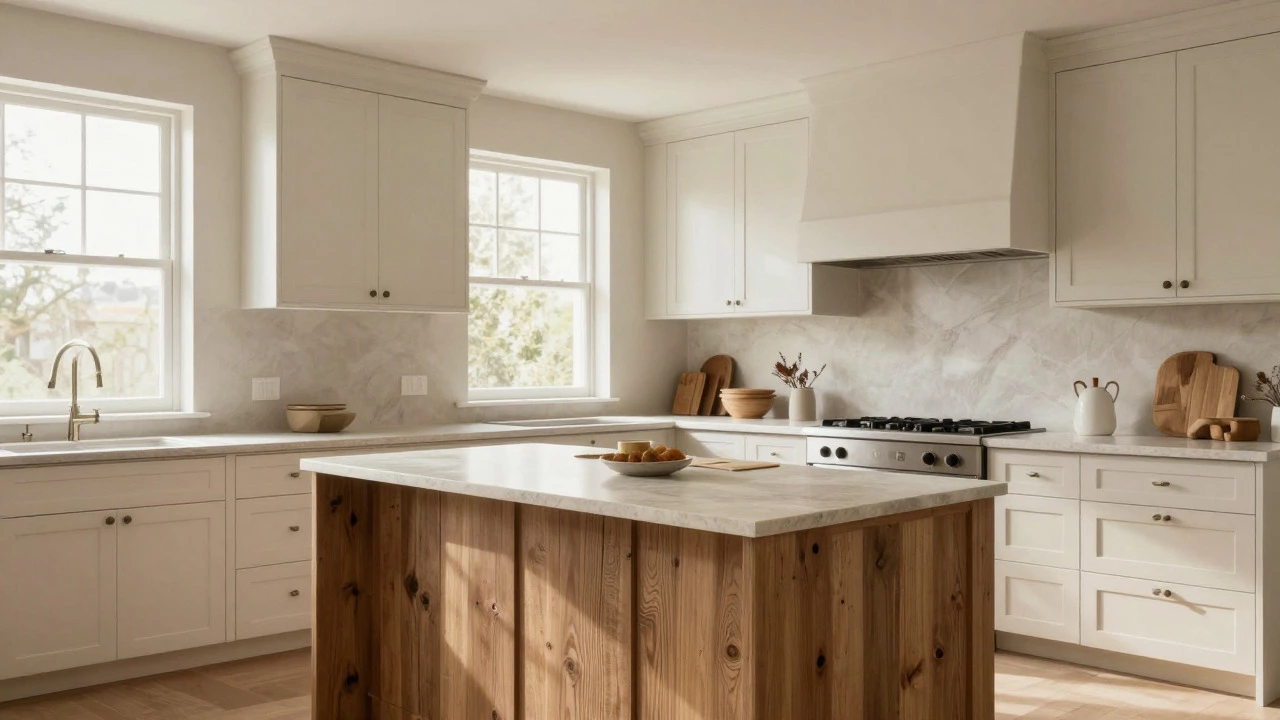
This style isn't just about mixing old and new; it's about balance. You might see shaker-style cabinet doors (a traditional staple) paired with handleless push-open mechanisms (a modern convenience). Or perhaps you have a rustic wood island topped with a polished concrete slab. The key is cohesion. The colors tie everything together, usually through a palette of warm whites, soft taupes, and earthy greens.
Unlike pure modernism, which can feel sterile, transitional kitchens invite you to stay. They acknowledge that the kitchen is still the heart of the home, not just a place to prep food quickly. This shift reflects a broader cultural move away from performative living spaces toward environments that support actual daily life.
Color Palettes: Warmth Over Whiteness
If there is one rule breaking faster than any other in 2026, it’s the reign of bright white. While white cabinets aren’t dead, they are no longer the default. The trend has shifted decisively toward Warm Neutral Tones. Think creams, beiges, greiges, and even deeper shades like olive green, navy, or charcoal for accent walls or islands.
Why the change? White shows every speck of dust, grease splatter, and fingerprint. It requires constant maintenance to look pristine. Warmer tones hide wear and tear much better. More importantly, they create a psychological sense of calm. Studies in environmental psychology suggest that earthy, muted colors reduce stress levels more effectively than high-contrast monochrome schemes.
- Creamy Whites: Less blue undertone, more yellow or pink warmth. Feels softer against skin tones and natural light.
- Earthy Greens: Sage, moss, and forest greens bring nature indoors without overwhelming the space.
- Deep Charcoal: Used sparingly on islands or lower cabinets to ground the room and add drama.
This color shift also allows for greater versatility in decor. A neutral backdrop means you can swap out textiles, art, and accessories as seasons change without needing to repaint the entire room. It’s a practical investment for long-term homeownership.
Materials That Tell a Story
In 2026, synthetic perfection is out. Imperfect beauty is in. Homeowners are moving away from uniform, factory-finished surfaces toward materials that show grain, variation, and texture. This isn’t just aesthetic; it’s a reaction against the disposable culture of fast furniture and cheap renovations.
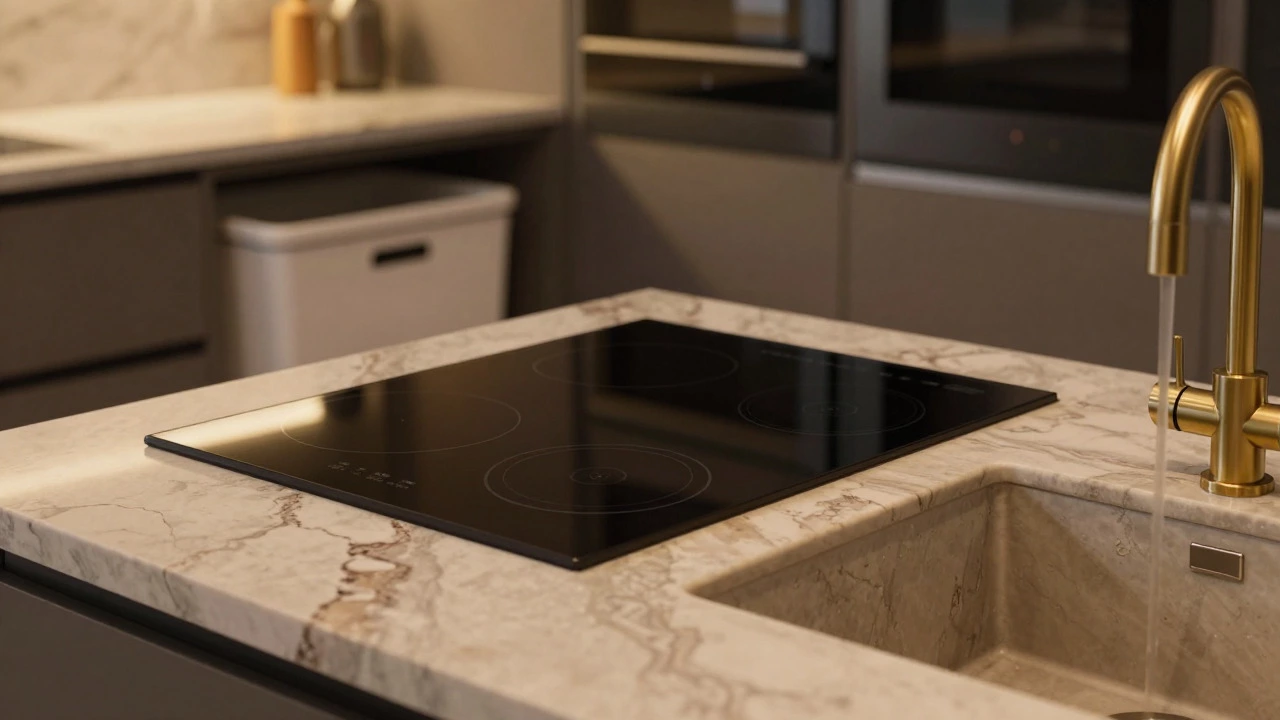
Natural Stone Countertops remain king, but the choices have evolved. Polished marble is risky due to staining, so honed finishes or soapstone are gaining popularity. These materials age gracefully, developing a patina that adds character over time. Quartz is still widely used for its durability, but manufacturers are now producing patterns that mimic the organic randomness of stone rather than repeating geometric prints.
Wood is making a huge comeback, too. But not just any wood. We’re seeing reclaimed timber, live-edge slabs, and matte-finished hardwoods. The finish matters. High-gloss lacquers are disappearing because they reflect harsh overhead lighting and show scratches easily. Matte or satin finishes absorb light, creating a softer, more inviting atmosphere.
| Material | Aesthetic Appeal | Durability | Maintenance Level |
|---|---|---|---|
| Honed Marble | High (Unique veining) | Medium (Prone to etching) | High (Requires sealing) |
| Quartz Composite | Medium (Consistent pattern) | Very High | Low (Non-porous) |
| Solid Wood (Butcher Block) | High (Warm, organic) | Medium (Can scratch) | Medium (Regular oiling) |
| Sintered Stone | High (Matte, large format) | Very High (Heat resistant) | Low |
Sintered stone is the dark horse of 2026. Made by compressing natural minerals at extreme temperatures, it offers the look of concrete or stone with the durability of ceramic. It’s heat-resistant, stain-proof, and available in large slabs that minimize seams. For those who want low maintenance without sacrificing style, it’s becoming the top recommendation from designers.
Layouts: Open Plan Evolves
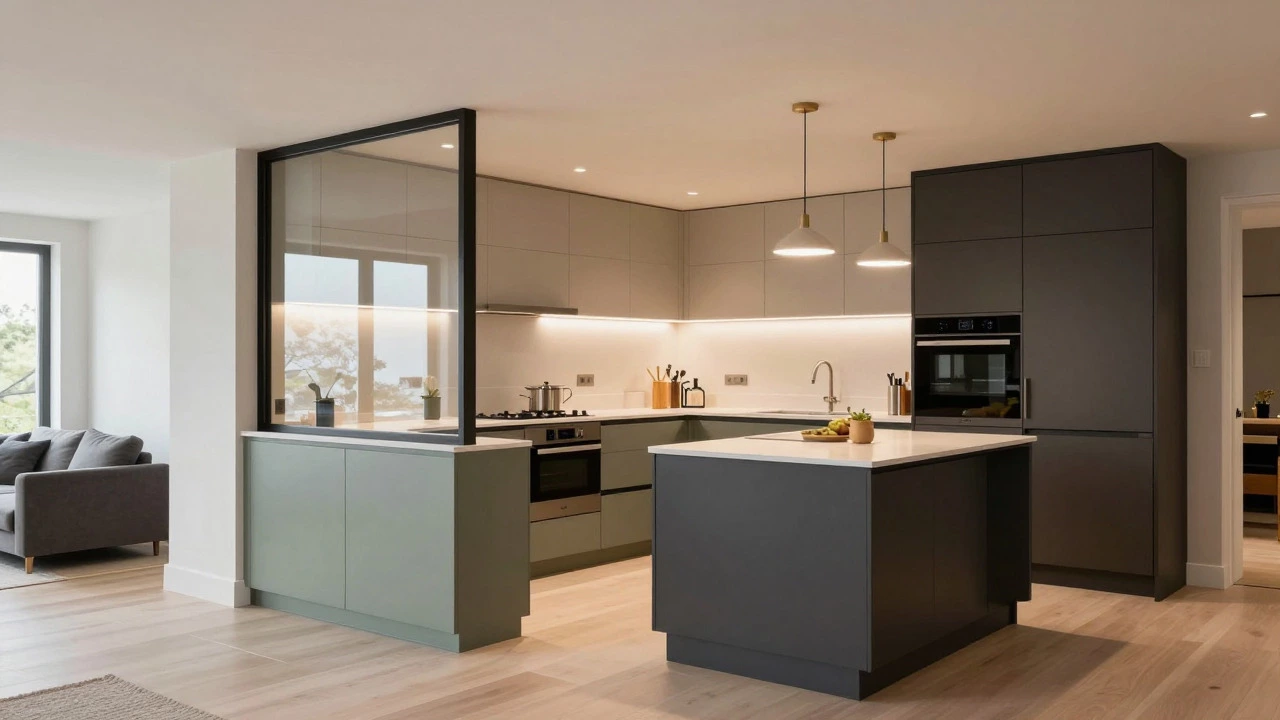
Open-plan living dominated the last decade. Kitchens merged with dining and living areas to create vast social hubs. But in 2026, we’re seeing a correction. Pure openness can be noisy, chaotic, and inefficient for cooking smells. The new trend is Semi-Open Kitchens.
This doesn’t mean building full walls again. Instead, designers are using half-walls, glass partitions, sliding barn doors, or large islands to define the cooking zone while maintaining visual connection to the rest of the home. This layout solves the acoustic problem of echoey open spaces and contains odors better.
The kitchen island itself has transformed. It’s no longer just a block of countertop. Modern islands are multi-functional workstations. They include built-in sinks, dishwashers, charging stations, and even small fridges. Some designs feature dual-level counters-one height for food prep, another slightly raised section for seating. This allows someone to cook while chatting with guests seated comfortably, without leaning over a cutting board.
Storage solutions are also smarter. Pantry pull-outs, corner carousels, and deep drawers replace shallow shelves. The goal is to maximize vertical space and keep clutter off the countertops. A clear counter is not just aesthetically pleasing; it reduces cognitive load. When everything has a designated, accessible home, cooking becomes less stressful.
Sustainability as a Standard
Gone are the days when eco-friendly features were niche add-ons. In 2026, sustainability is expected. Consumers are increasingly aware of the environmental impact of their homes, from energy consumption to material sourcing. This awareness drives design decisions.
Energy-Efficient Appliances are standard. Induction cooktops have largely replaced gas burners in new builds, offering precise temperature control and easier cleaning. Dishwashers and refrigerators with high Energy Star ratings are non-negotiable for many buyers. Smart thermostats integrated into kitchen systems help regulate humidity and temperature, reducing energy waste.
Water conservation is another priority. Low-flow faucets with aerators save gallons per day without sacrificing pressure. Composting bins integrated into cabinetry make waste sorting convenient, encouraging households to divert organic matter from landfills.
Material sourcing is scrutinized. Formaldehyde-free glues, FSC-certified woods, and recycled glass countertops are common requests. Even paint choices matter; low-VOC (volatile organic compounds) paints improve indoor air quality, which is crucial since people spend significant time in the kitchen.
Lighting: Layered and Functional
A single ceiling fixture is obsolete. Effective kitchen lighting in 2026 relies on layering. Ambient lighting provides general illumination, task lighting focuses on work zones, and accent lighting highlights architectural details or decor.
Under-cabinet LED strips are essential for task lighting. They eliminate shadows cast by your body while chopping vegetables, improving safety and precision. Recessed downlights offer ambient light without taking up headroom. Pendant lights over the island serve both as focal points and supplemental task lighting.
Dimmable switches are a must. Bright, cool-white light is great for prepping meals, but warm, dimmed light creates a relaxing atmosphere for evening drinks or casual dinners. Smart lighting systems allow users to adjust brightness and color temperature via apps or voice commands, adapting the mood instantly.
Personalization: The Final Trend
Ultimately, the most popular kitchen style is the one that fits your life. Trends come and go, but functionality remains constant. Whether you love bold colors, minimalist surfaces, or vintage charm, the best kitchen reflects your personality and habits.
Don’t feel pressured to follow every trend. If you hate green cabinets, don’t install them. If you rarely entertain, a massive island might be wasted space. Focus on what makes your daily routine smoother and happier. That’s the true definition of good design.
Is white still a good color for kitchen cabinets in 2026?
Yes, but with caveats. Stark, cool whites are falling out of favor. Opt for creamy, warm whites with yellow or pink undertones. These shades feel softer and pair better with the natural materials trending this year. Also, consider painting only the upper cabinets white and using a darker tone for lowers to add depth and hide stains.
What is the difference between modern and transitional kitchen design?
Modern design emphasizes clean lines, minimal ornamentation, and often uses industrial materials like steel and glass. It can feel sleek but sometimes cold. Transitional design blends modern simplicity with traditional warmth. It might use shaker cabinets (traditional) with handleless hardware (modern), creating a balanced, inviting space that appeals to a wider audience.
Are open-plan kitchens still popular?
They are evolving. Fully open plans are being replaced by semi-open layouts. Homeowners are adding partial walls, glass dividers, or large islands to create defined zones. This helps manage noise, contain cooking odors, and provide privacy while maintaining visual connectivity between rooms.
What countertop material is best for durability and style?
Quartz remains the top choice for durability due to its non-porous nature and resistance to scratches. However, sintered stone is rising rapidly as a premium alternative, offering heat resistance and a matte finish. Natural stone like honed marble or soapstone is chosen for its unique beauty and aging potential, though it requires more maintenance.
How can I make my kitchen more sustainable?
Start with energy-efficient appliances like induction cooktops and high-rated dishwashers. Use low-VOC paints and formaldehyde-free cabinetry. Install water-saving faucets and integrate composting solutions. Choose materials sourced responsibly, such as FSC-certified wood or recycled content countertops. These changes reduce environmental impact and often lower utility bills.
Should I install an island in my kitchen?
Only if you have the space and need the function. Islands are excellent for extra prep space, storage, and social interaction. However, in smaller kitchens, they can obstruct traffic flow. Ensure at least 42 inches of clearance around the island. If space is tight, consider a peninsula or a movable cart instead.